
Key Economic Insights: The economy of Philippines generates an estimated GDP of $461.62 billion ($3,985 per capita) supporting a population of 115,843,670. Productive output is anchored by 63.2% services, 27.7% industry and manufacturing, and 9.1% agriculture and natural resource extraction. Key merchandise exports include Manufactured goods, mineral resources, and agricultural commodities, directed primarily toward the US, China, Hong Kong, Japan, and Singapore, with the US and China being the largest at 14% each.
As of 2024, the Philippines had a GDP of $461.62 billion, holding around the 32nd rank globally. The GDP per capita in the Philippines is approximately $3,984.80.
Despite facing challenges, the Philippines’ economy shows resilience and potential for growth, with a focus on sectors like technology, manufacturing, and services driving its economic position.
Philippines Economic Structure & Sector Analysis
| Economic Dimension | Official Indicator (2024–2026) | Authoritative Source |
|---|---|---|
| GDP & Macro Output | Nominal GDP: $461.62 billion | Per Capita: $3,985 | World Bank WDI / IMF |
| Sector Breakdown | Services: 63.2% | Industry: 27.7% | Agriculture: 9.1% | World Bank National Accounts |
| Trade & Commodities | Top Exports: Manufactured goods, mineral resources, and agricultural commodities (Total: $6,118 million) | UN Comtrade / OEC |
| Demographics & Labor | Population: 115,843,670 | Distributed workforce across formal & primary sectors | ILO / UN Population Division |
| Strategic Trade Corridors | Leading Trade Partners: the US, China, Hong Kong, Japan, and Singapore, with the US and China being the largest at 14% each | World Bank WITS / IMF DOTS |
- Primary activities: 9.1% of GDP (as of 2024).
- Secondary activities: 27.7% of GDP (as of 2024).
- Tertiary activities: 63.2% of GDP (as of 2024).

Primary Sector of Philippines
With 42.54% of the country’s land dedicated to agriculture, the Philippines produces a variety of crops and animal products. The main agricultural products include sugarcane, rice, coconuts, maize, bananas, vegetables, tropical fruits, plantains, pineapples, and cassava.
Despite contributing about 9.1% to the GDP (as of 2024), agriculture plays a crucial role in the economy by providing employment and sustaining livelihoods. The sector’s significance lies in the wide range of products it produces, ensuring food security and economic stability.
The country boasts a diverse geological landscape, providing abundant natural resources. Timber, petroleum, nickel, cobalt, silver, gold, salt, and copper are vital to the economy, contributing significantly to various industries such as mining, agriculture, and energy.The Philippines’ oil production of approximately 953 barrels per day places it at the 69th position in the world ranking. With oil reserves of 138.5 million barrels, the country holds 0.01% of the world’s oil reserves, contributing to its economic activity.The Philippines’ gas production of 3,942 million m³ in 2020 ranks 55th globally, further bolstering its economic activity.Secondary Sector of Philippines
In the Philippines, main industrial products include semiconductors, electronics, business process outsourcing, food and beverage, construction, energy supply, chemicals, communication equipment, petroleum, textiles, non-metallic minerals, basic metals, and transport equipment.Manufactures play a crucial role in the total exports of the Philippines, accounting for 79.5% in 2023. This highlights their significant contribution to the country’s economy and global trade competitiveness.Tertiary sector of Philippines

Military Activities and Economic Sectors of Philippines
In the primary sector, resources are extracted for military use, like metals for weapons. The secondary sector involves manufacturing military equipment, such as vehicles and weapons. The tertiary sector includes services provided by the military, like training and logistics. The quaternary sector focuses on military research and development, while the quinary sector deals with high-level decision-making and strategy.
As of 2024, the Philippines’ annual military expenditure was about $6,118 million (per SIPRI). This spending is about 1.3% of the country’s GDP. The active military force has 150,000 personnel, which means there are 15.2 active military members for every 1,000 people in the population.
Biggest company in Philippines
Which is the biggest company in the Philippines? As of 2024, Petron Corporation is the largest by gross revenue, reporting about ₱867.97 billion (roughly $15 billion). It operates in the oil refining and petroleum industry, spanning the secondary and tertiary economic sectors. Petron is the country’s leading oil company and a key player in fuel supply (per Petron).International Trade of Philippines
Import Activities of Philippines
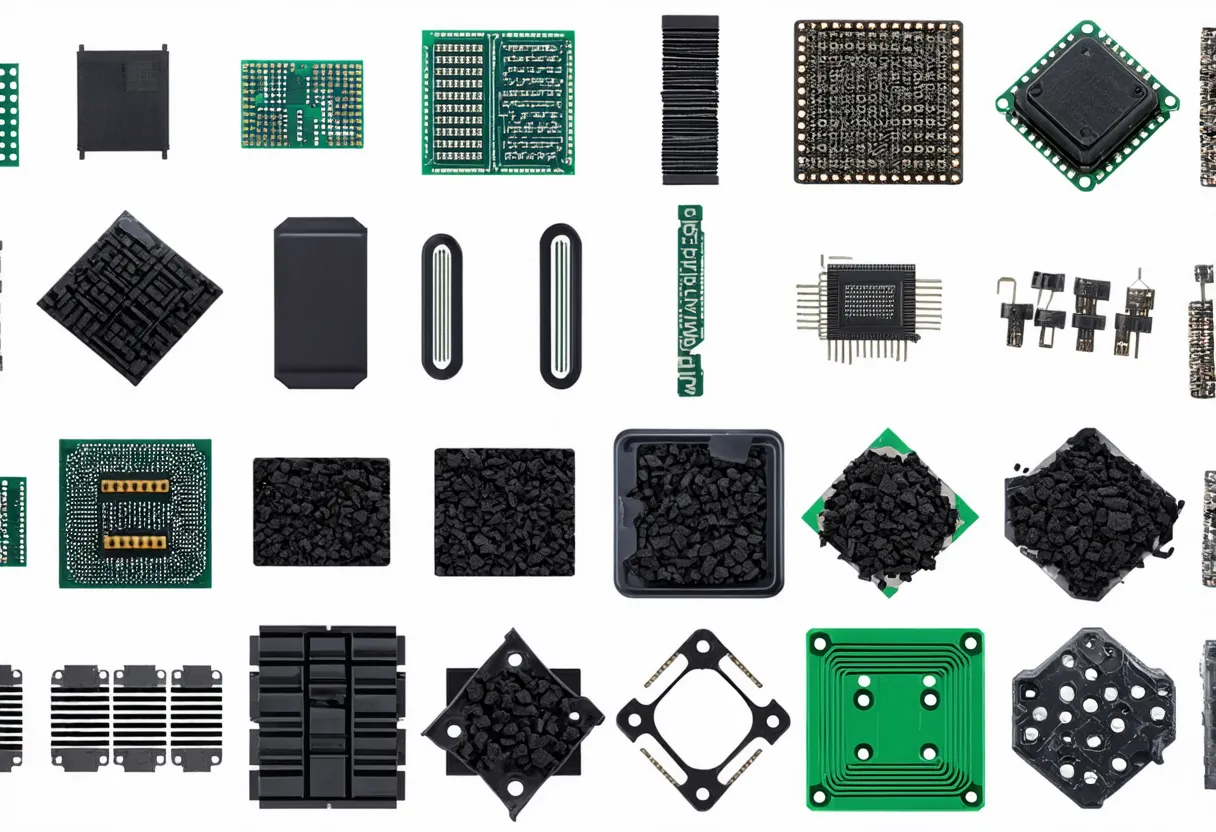 As of 2024, the Philippines’ merchandise imports totaled about $127.4 billion, roughly 27.6% of GDP, reflecting its reliance on foreign goods for economic growth (per Philippine Statistics Authority).The Philippines’ major import activities include integrated circuits, refined petroleum, coal, cars, and plastic products. Its key import partners are China (32%), Indonesia (8%), South Korea (7%), Japan (7%), and Singapore (6%). These imports play a crucial role in the country’s economy and industrial development.
Exports Activities of Philippines
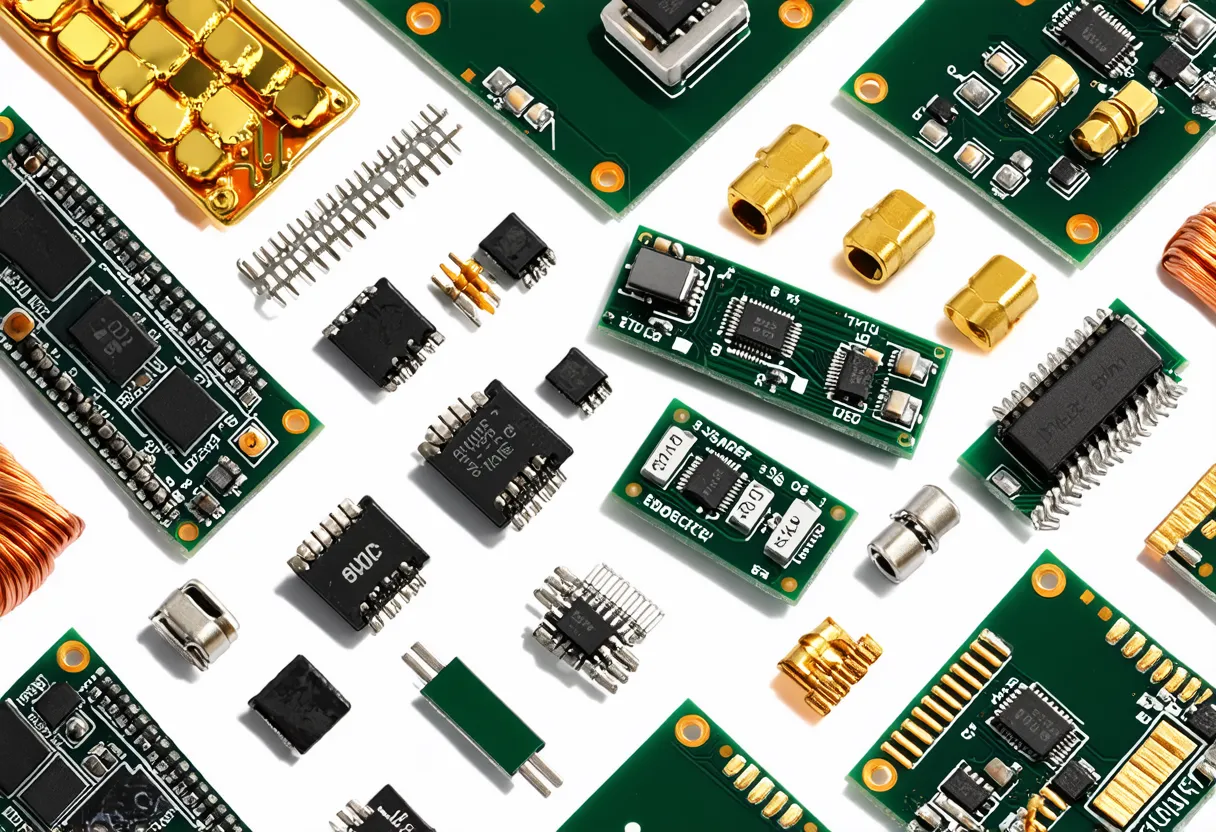 As of 2024, the Philippines had a total merchandise export value of about $73.2 billion, accounting for roughly 15.9% of its GDP. This signifies a moderate level of importance, driving economic growth and providing employment opportunities (per Philippine Statistics Authority).The Philippines exports a variety of products such as integrated circuits, machine parts, gold, semiconductors, and insulated wire. Its top export partners include the US, China, Hong Kong, Japan, and Singapore, with the US and China being the largest at 14% each.
Philippines economy challenges in 2024
The Philippines, a growing Southeast Asian economy, faces challenges in 2024. Despite a commercial rebound in transportation, construction, and financial services, inflation has led to interest rate rises. Electronics exports are recovering, but regional tensions with China create uncertainties. Remittances remain significant, but the country must navigate these obstacles to sustain its economic growth.Sources
- World Bank: Philippines
- CIA World Factbook: Philippines
- IMF: Philippines
- Philippine Statistics Authority: Trade Statistics
- SIPRI Military Expenditure Database
Last updated: August 2026


Leave a Reply