
Key Economic Insights: The economy of Malta generates an estimated GDP of $27.77 billion ($47,907 per capita) supporting a population of 579,704. Productive output is anchored by 81.3% services, 10.1% industry and manufacturing, and 0.5% agriculture and natural resource extraction. Key merchandise exports include integrated circuits, medicine, petroleum, fish, and postage stamps/documents, directed primarily toward Germany, Italy, France, Japan, and Singapore.
As of 2025, Malta’s economy is relatively stable, with a GDP of approximately $27.77 billion. In terms of GDP per capita, Malta recorded approximately $47,907, placing it among high-income economies.
Despite facing challenges, Malta’s economy continues to show resilience and potential for growth, positioning it favorably in the global economic landscape.
Malta Economic Structure & Sector Analysis
| Economic Dimension | Figure | Authoritative Source |
|---|---|---|
| GDP & Macro Output | Nominal GDP: $27.77 billion | Per Capita: $47,907 | World Bank WDI / IMF |
| Sector Breakdown | Services: 81.3% | Industry: 10.1% | Agriculture: 0.5% | World Bank National Accounts |
| Trade & Commodities | Top Exports: integrated circuits, medicine, petroleum, fish, and postage stamps/documents | UN Comtrade / OEC |
| Demographics & Labor | Population: 579,704 | ILO / UN Population Division |
| Strategic Trade Corridors | Leading Trade Partners: Germany, Italy, France, Japan, and Singapore | World Bank WITS / IMF DOTS |
- Primary activities: 0.5% of GDP.
- Secondary activities: 10.1% of GDP.
- Tertiary activities: 81.3% of GDP.
Primary Sector of Malta
Malta’s primary sector, particularly agriculture, thrives due to its Mediterranean climate and fertile soil. With 27.34% of the land dedicated to agriculture, the country produces a variety of crops and animal products, including milk, tomatoes, onions, potatoes, and pork. Despite contributing only 0.5% to the GDP, agriculture remains significant for food security and employment.
The top ten agricultural products, such as chicken, cabbages, and grapes, showcase the diversity and importance of Malta’s agricultural sector.
The geological diversity of Malta contributes to the availability of natural resources such as limestone, salt, and arable land. These resources play a significant role in the country’s economy, with limestone used in construction, salt in food production, and arable land supporting agriculture and food security.Secondary Sector of Malta
In Malta, key industrial products include electronics, ship building and repair, construction, food and beverages, pharmaceuticals, footwear, clothing, tobacco, aviation services, and information technology services.Manufactures play a crucial role in Malta’s total exports, accounting for 82.28% in 2023. This highlights the significance of the manufacturing sector in driving the country’s economic growth and trade competitiveness.Tertiary sector of Malta
Military Activities and Economic Sectors of Malta
In the primary sector, resources are extracted for military use. The secondary sector involves the manufacturing of military equipment. The tertiary sector includes services provided by the military, while the quaternary sector focuses on military research and development.
In Malta, the military expenditure for 2023 is 112.6 million US dollars, which is 0.499% of the country’s GDP. The active military force consists of 1,950 personnel, resulting in about 4.7 active military members for every 1,000 people in the country.
International Trade of Malta
Import Activities of Malta
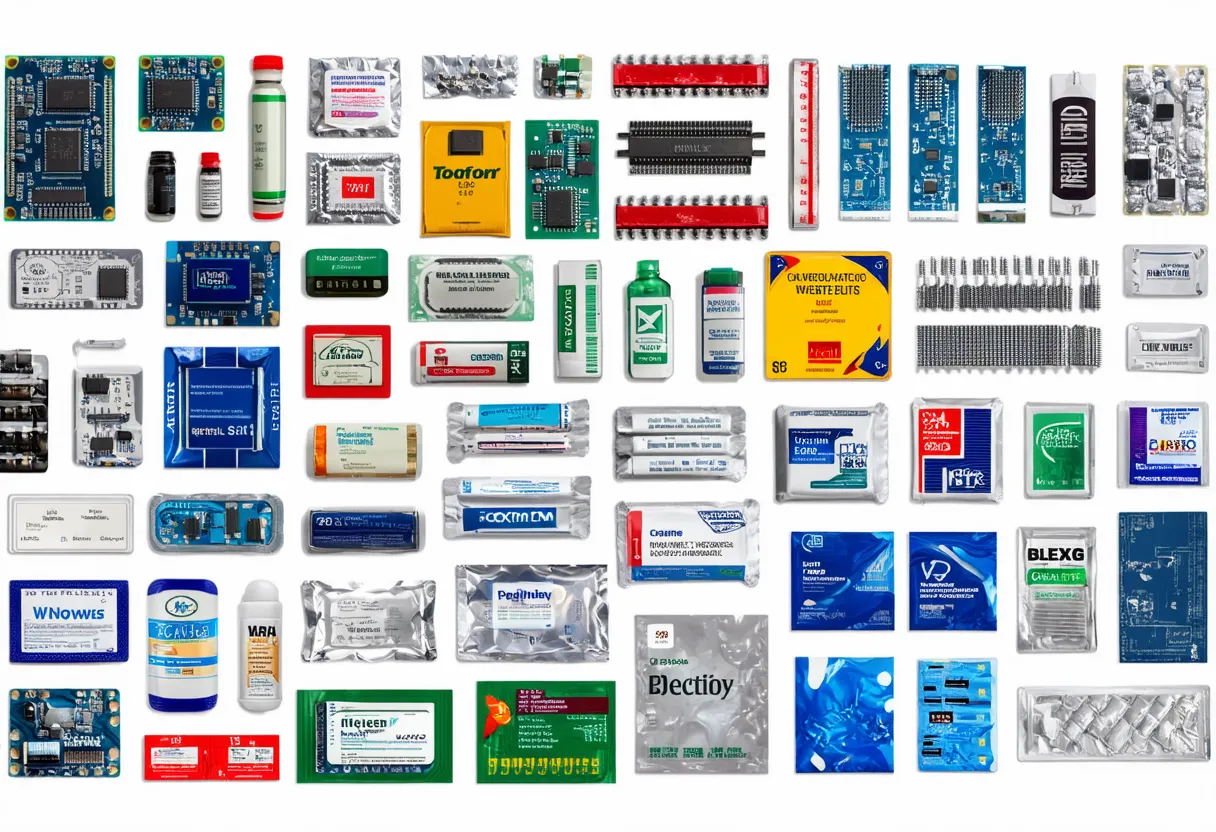 As of 2024, import activities in Malta are crucial, totaling approximately 9.45 billion USD (around 38% of GDP), highlighting their significant economic impact.Malta’s key import activities include ships, refined petroleum, aircraft, integrated circuits, and packaged medicine. Its top import partners are Italy (14%), China (11%), South Korea (11%), Germany (10%), and Canada (5%).
Exports Activities of Malta
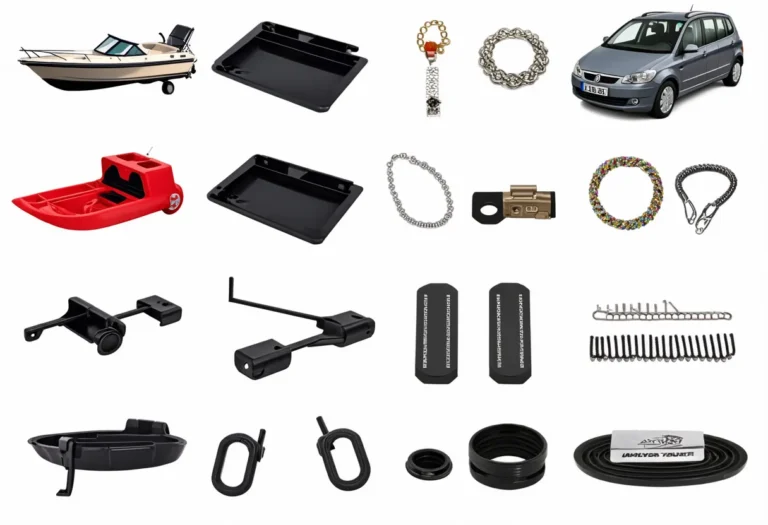
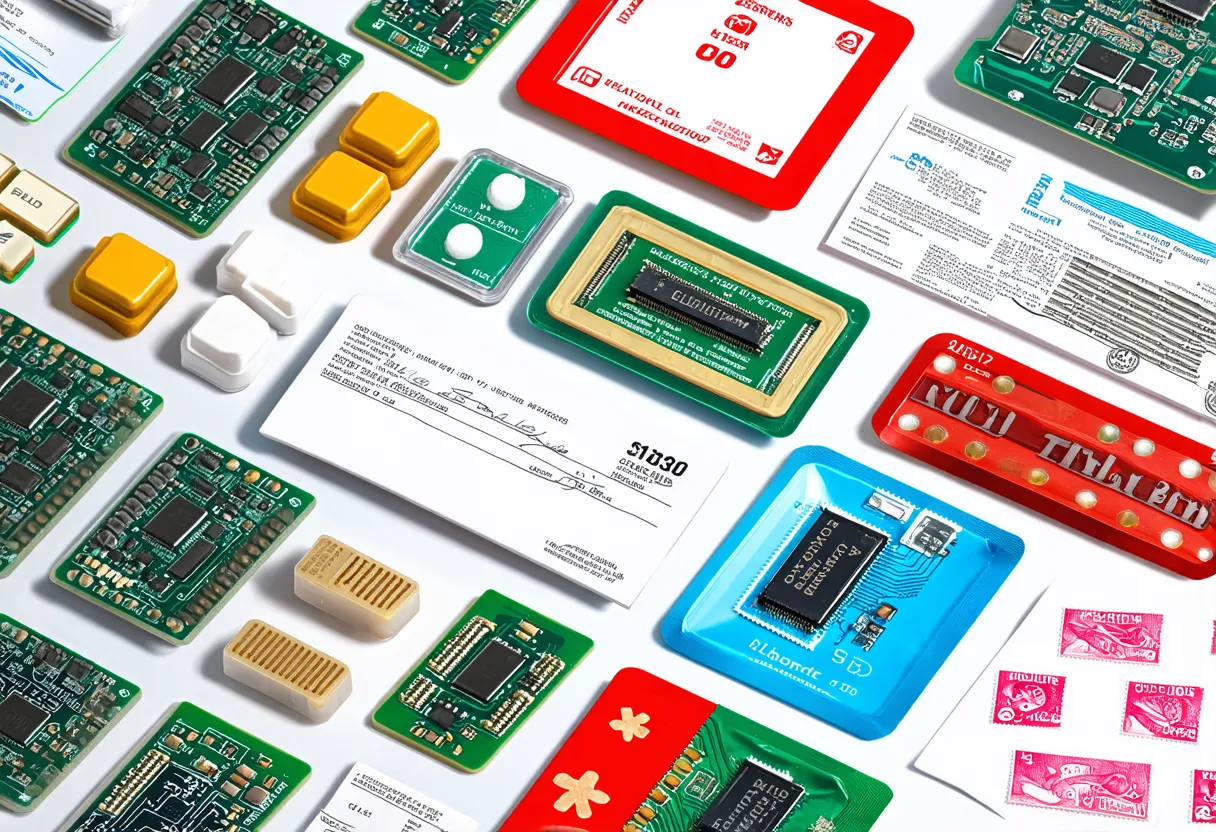 As of 2024, Malta’s total exports amounted to approximately $3.78 billion (around 15% of GDP). Exports remain critically important to Malta’s open, trade-reliant economy.Malta’s export activities are diverse, with top partners like Germany, Italy, France, Japan, and Singapore. Key export commodities include integrated circuits, medicine, petroleum, fish, and postage stamps/documents.
Malta economy challenges in 2024
In 2024, Malta faces economic strain due to rising food and energy costs. High immigration and welfare demands strain resources. Tourism and trade sectors struggle amidst global uncertainties. The educated workforce seeks stability amid challenges.Sources
- World Bank Open Data: Malta
- IMF: Malta Country Profile
- National Statistics Office (NSO) Malta
- Trading Economics: Malta
- UN Comtrade Plus: Trade Flow
Last updated: October 2026


Leave a Reply