
Author:
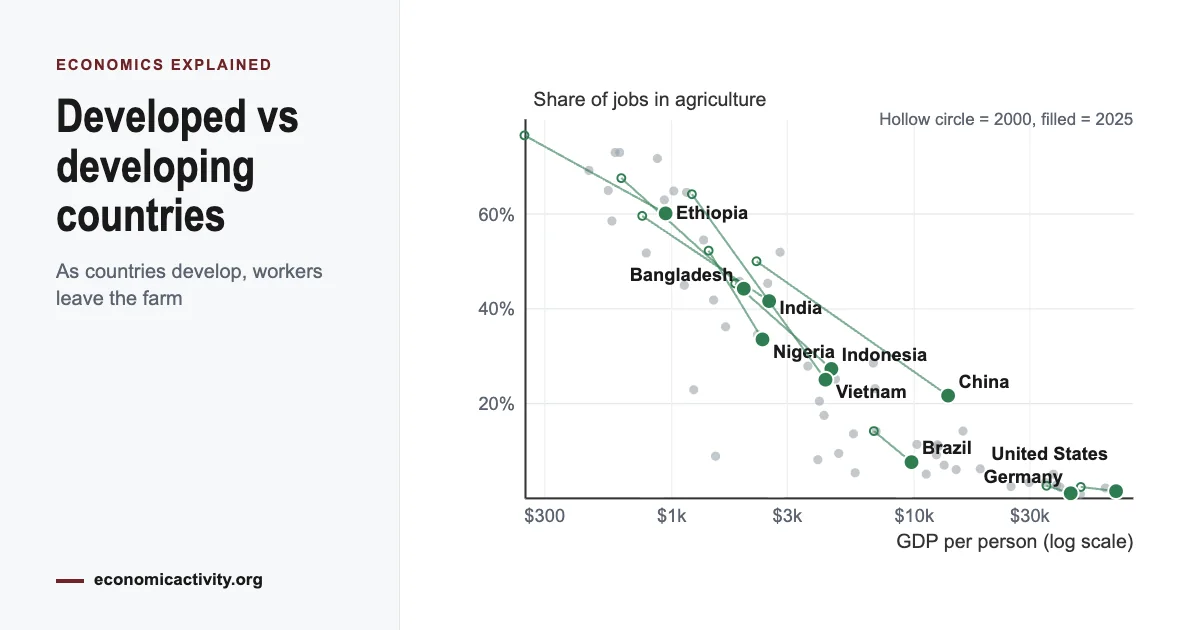
Developed vs Developing Countries: Definitions and Differences
Developed countries have high incomes and service economies; developing countries rely more on agriculture. The World Bank, IMF and UN each classify them differently.
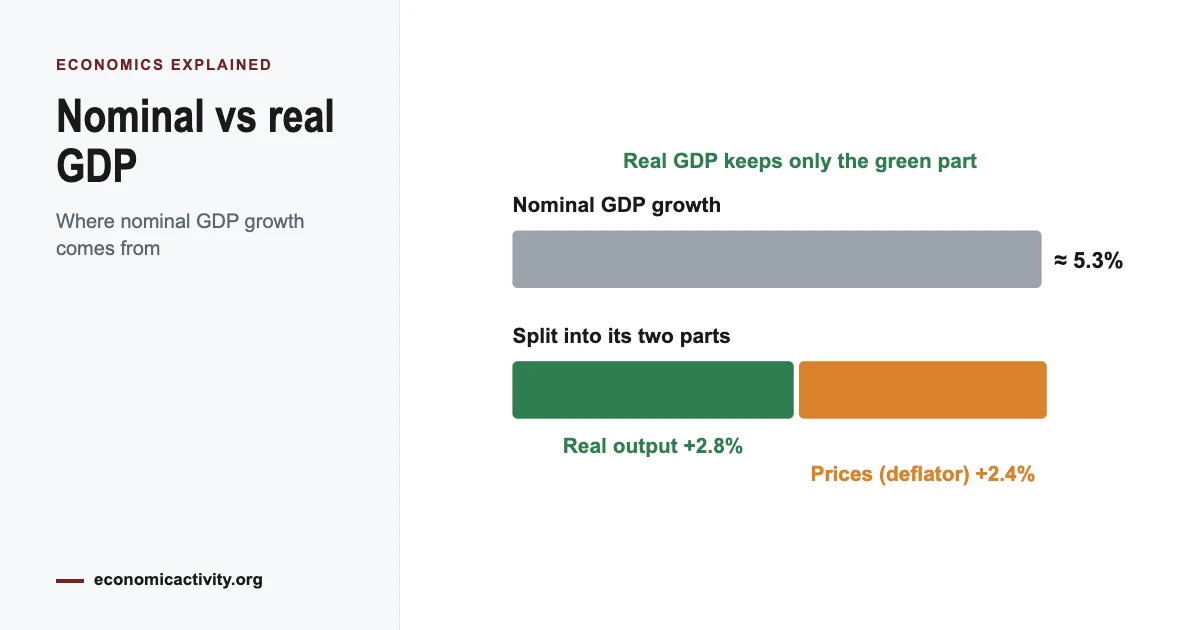
Nominal vs Real GDP: What Is the Difference?
Nominal GDP uses current prices and includes inflation; real GDP uses constant prices to show true growth. In 2024 US real GDP grew 2.8% (BEA).
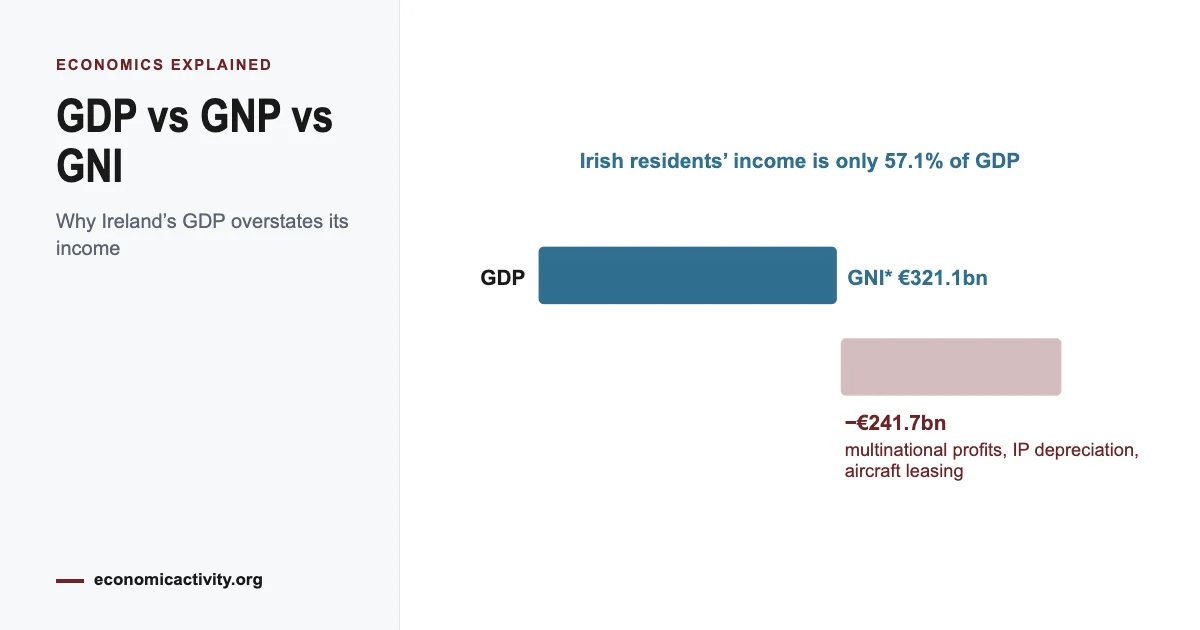
GDP vs GNP vs GNI: What Is the Difference?
GDP measures output by location; GNP and GNI measure residents income. In Ireland, national income (GNI*) was only 57.1% of GDP in 2024 (CSO).
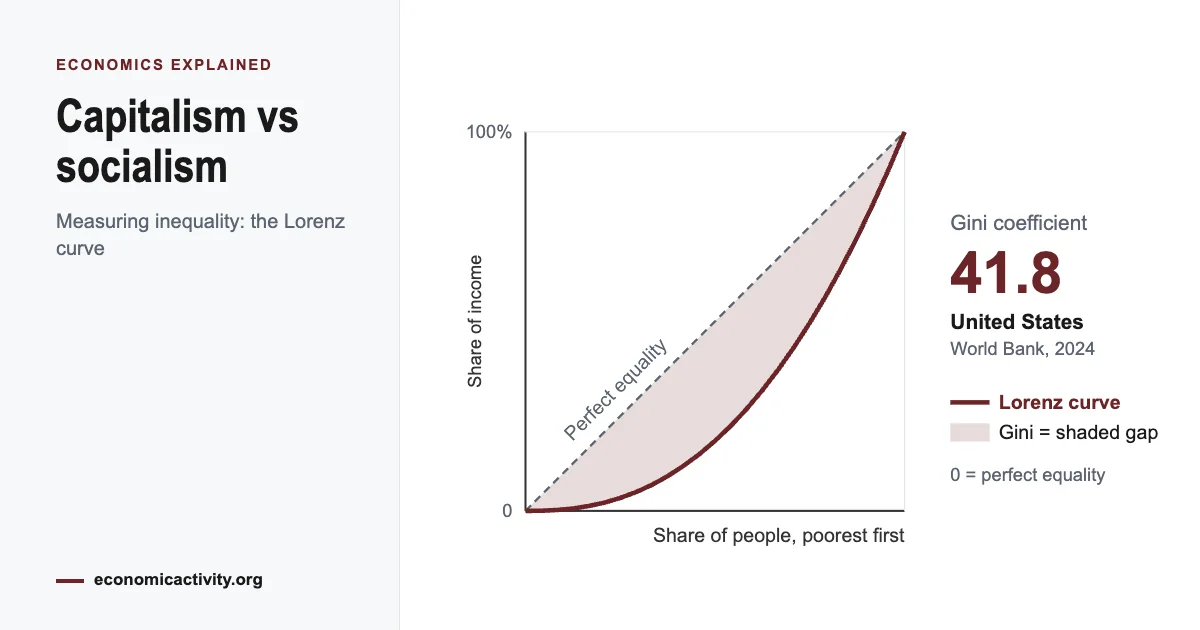
Capitalism vs Socialism: Key Differences Explained
Capitalism means private ownership and market prices; socialism means collective or state ownership. The freest economies average 8x the GDP per capita (Fraser, 2024).
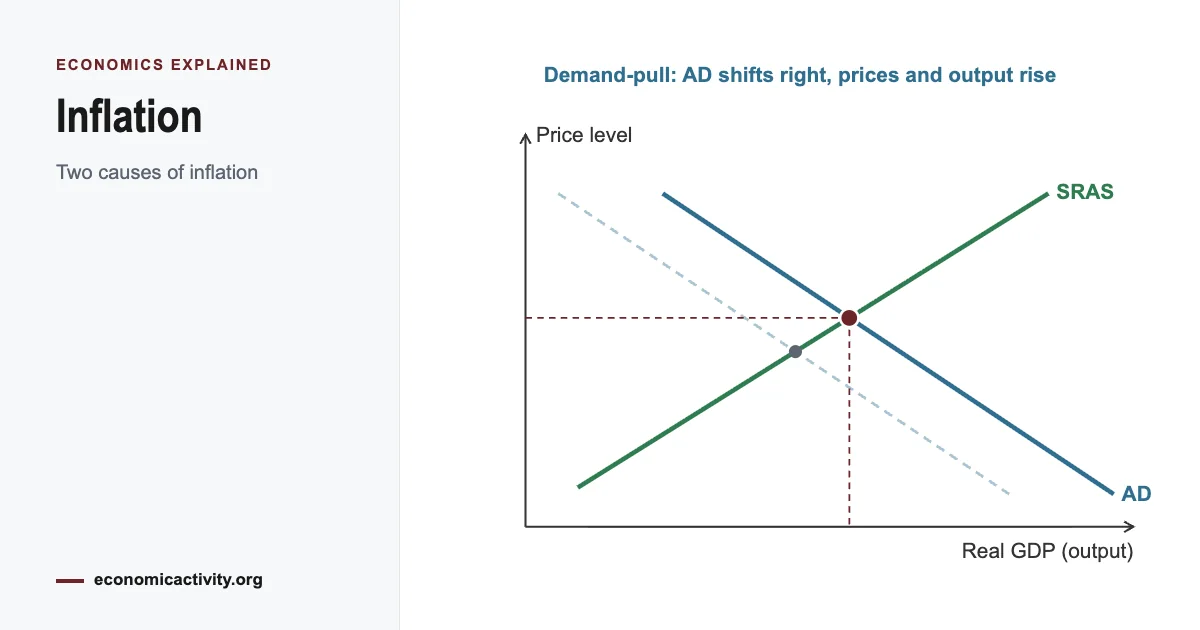
What Is Inflation? Causes, Effects and Examples
Inflation is a sustained rise in the general price level that reduces the purchasing power of money. US inflation was 2.7% in 2025 (BLS); central banks target about 2%.
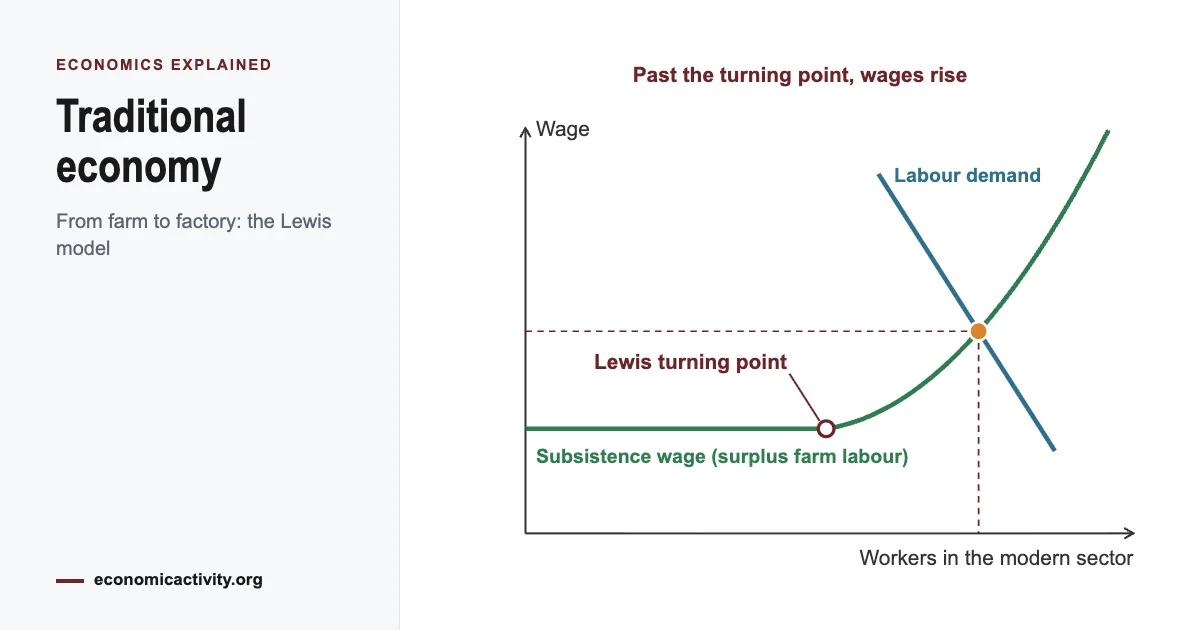
Traditional Economy: Definition, Characteristics and Examples
A traditional economy is based on custom and subsistence farming, herding and barter. In Chad, 69% of workers are in agriculture (World Bank, 2023).
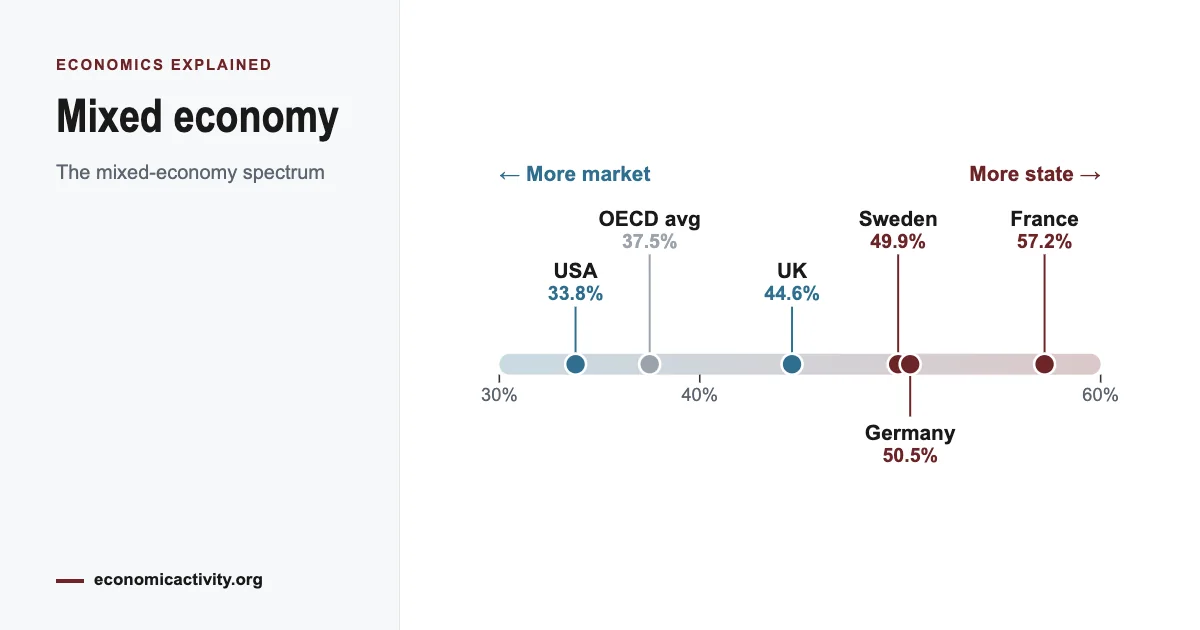
Mixed Economy: Definition, Characteristics and Examples
A mixed economy blends private markets with government intervention. Government spending ranges from about 34% of GDP in the US to 57% in France.
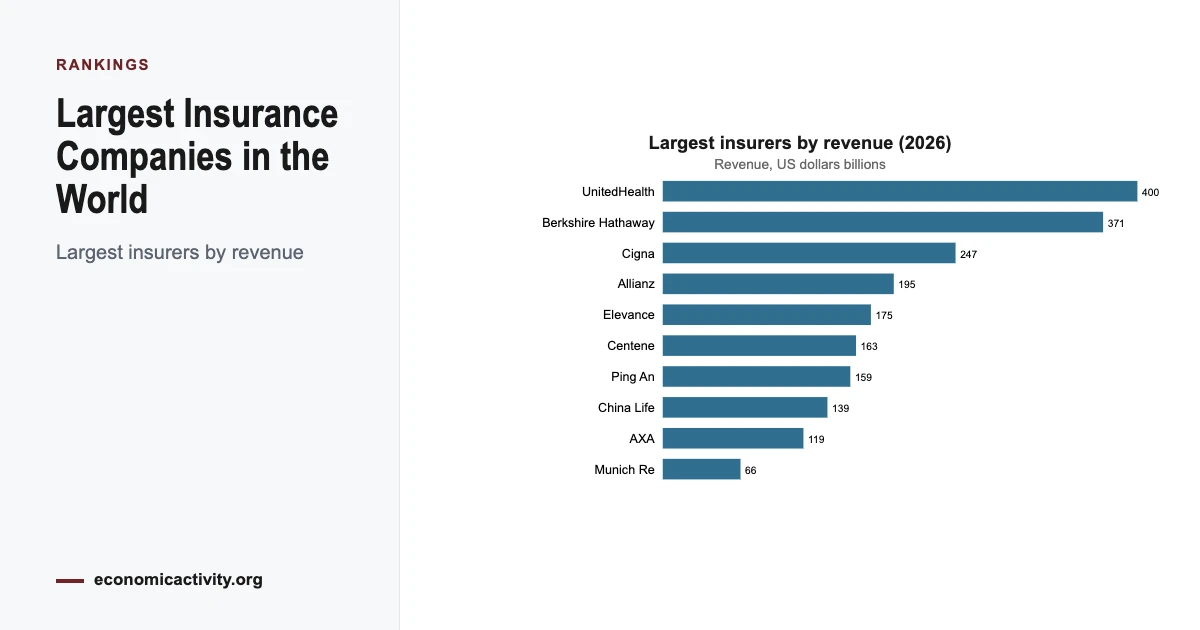
The Largest Insurance Companies in the World (2026)
By revenue, UnitedHealth Group is the largest insurer in the world (~$400 billion), a US health insurer. By assets, Berkshire Hathaway is now the largest.
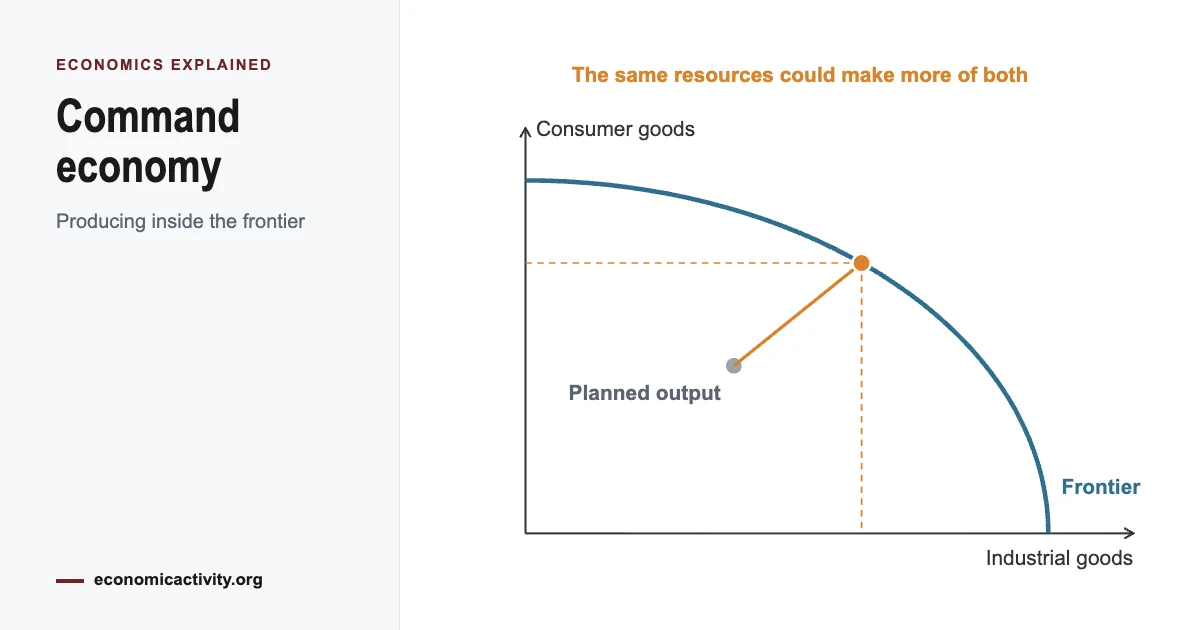
Command Economy: Definition, Characteristics and Examples
A command economy is centrally planned: the state owns production and sets output and prices. North Korea and Cuba are the clearest modern examples.
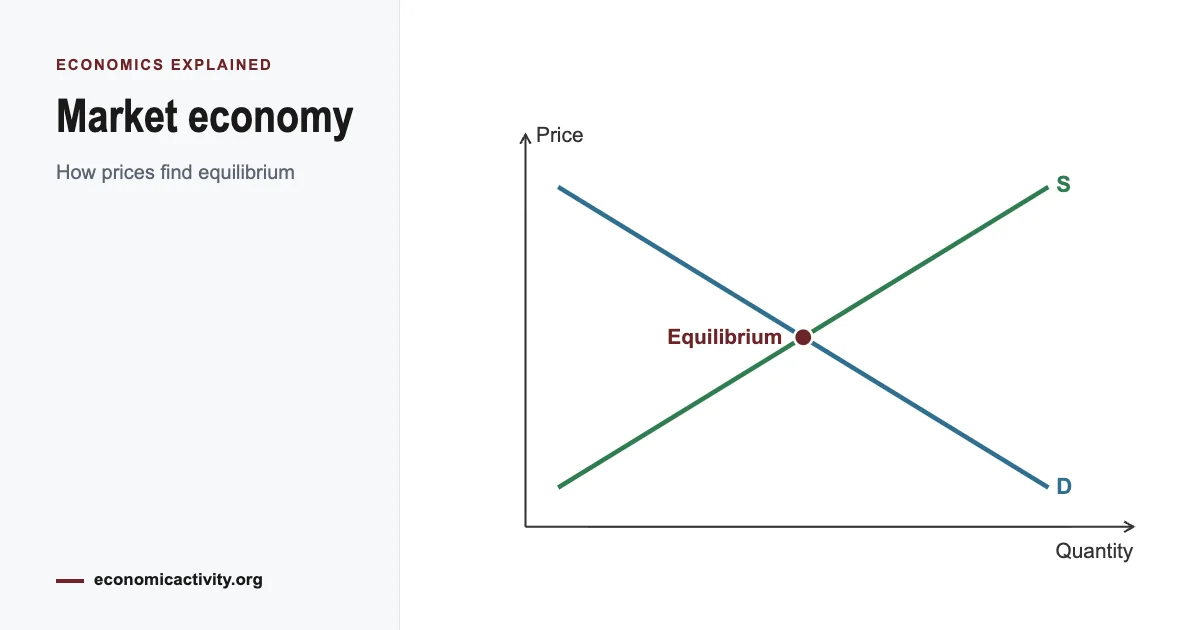
Market Economy: Definition, Characteristics and Examples
A market economy sets prices through supply and demand among private buyers and sellers. Singapore scored 84.1, the world freest economy (Heritage, 2025).