
Category: Economic Concept
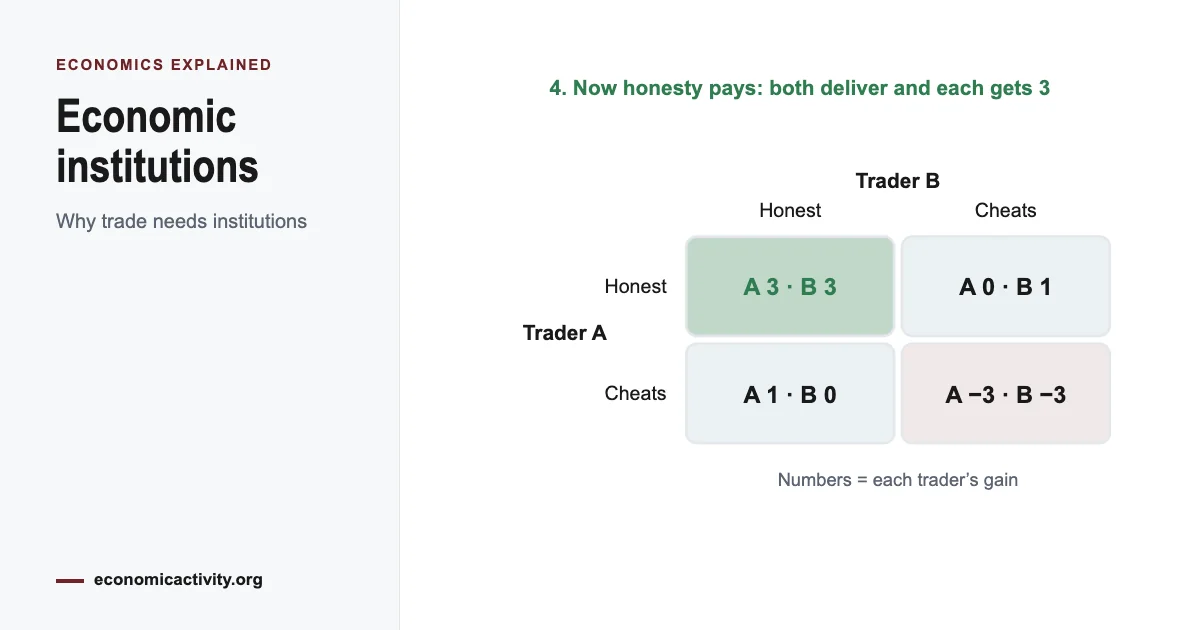
Economic institutions, an explanation
Economic institutions are the organizations and the rules that shape how an economy works, affecting growth, poverty, and prosperity. What are economic institutions? Economists define them two ways: as organizations like the Federal Reserve and the OECD, and as the formal rules and informal norms that set the rules of the game. Quality matters most.…
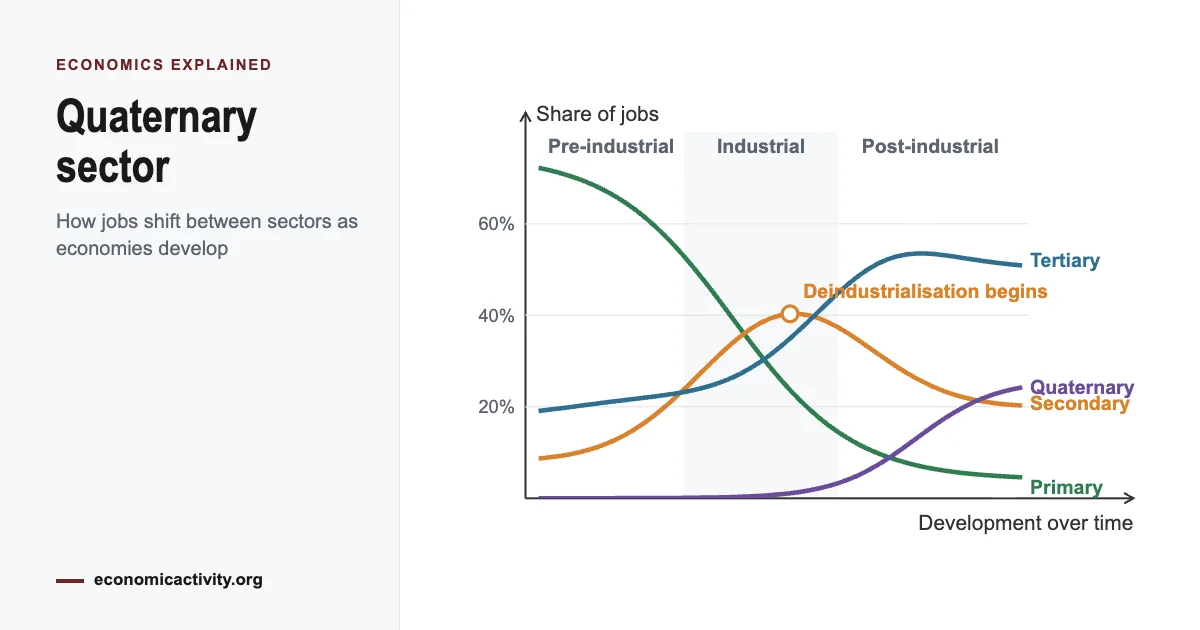
Quaternary sector: definition, background, examples
The quaternary sector is the knowledge-based economic activity built on intellectual work that conceives, creates, organizes, and transmits ideas using scientific and technical knowledge. What is the quaternary sector? It adds value through intellect rather than physical change, like software in a smartphone. Examples include consultancy, financial planning, design, information technology, and R&D. Creation is…
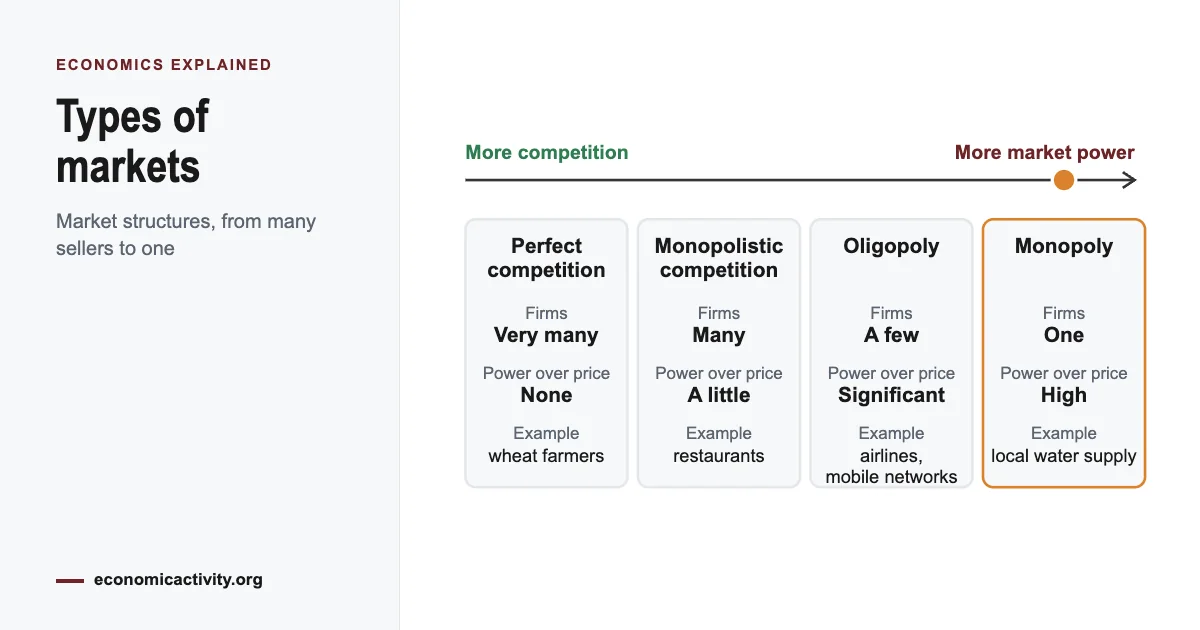
Market in economics. Types of markets systems
The types of market systems describe where buyers and sellers meet to trade goods, services, and assets, with demand and supply setting prices. What are the main types of market systems? The article covers the financial market, including the stock, commodity, and bond markets, plus the labor market where workers offer work for a wage.…
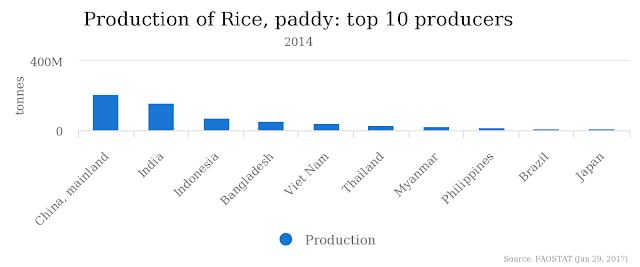
Biggest agricultural producers in the world
The biggest agricultural producers in the world depend on the crop, and output is spread across many countries. In 2024 India grew the most rice (218 MT, just ahead of China), the United States the most maize (378 MT), China the most wheat, apples and potatoes, and India the most bananas and mangoes (FAOSTAT). Food…
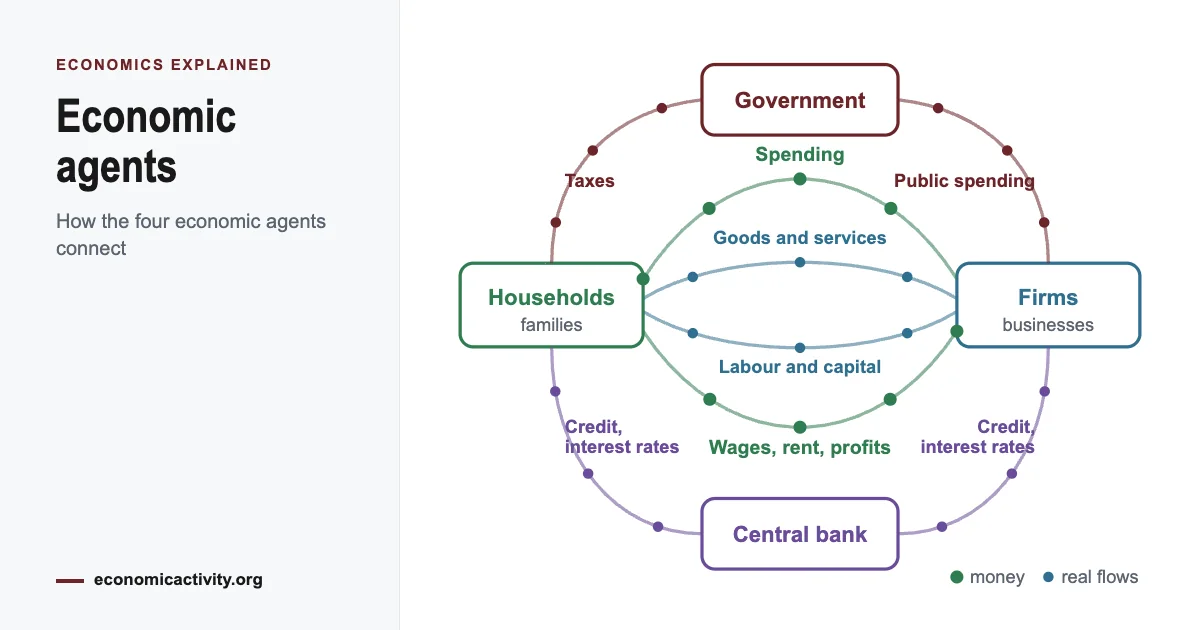
Economic agents, an explanation
Economic agents are the actors who intervene in the economy under rules set by the economic system and institutions, making decisions to solve a choice problem. What are economic agents? Economists generally count three or four types, including families, who consume, work, and save. The concept was created to simplify and explain how economic processes…
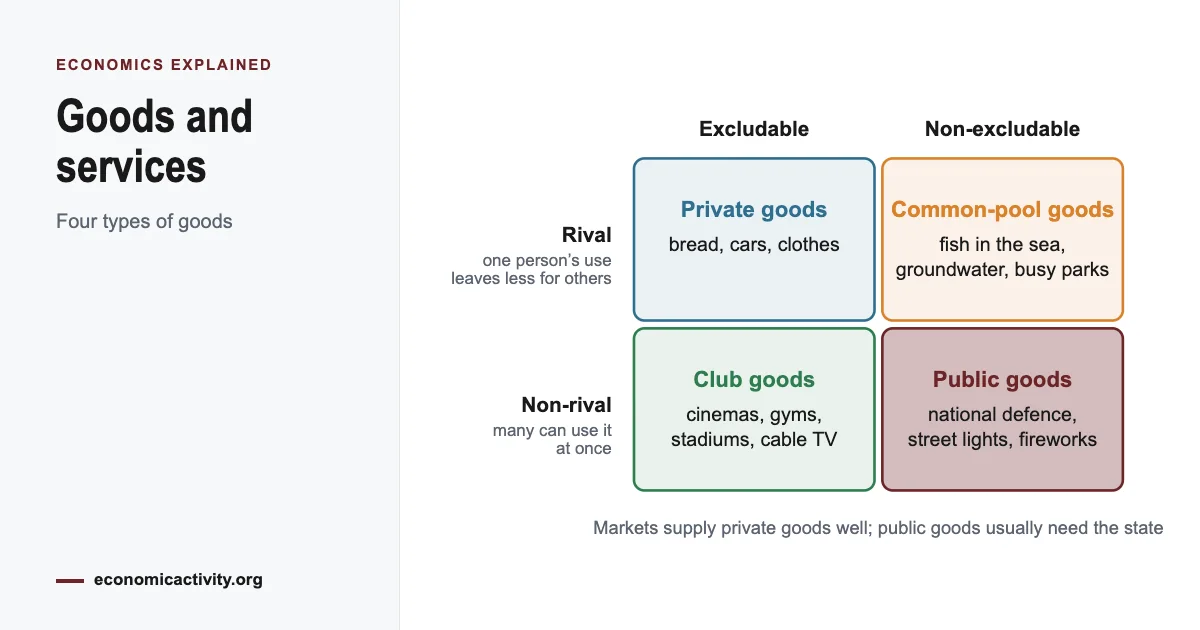
Goods and services
Goods and services are items generated through economic activities to meet a need or desire, traded in the market at prices set by supply and demand. What are goods and services? Goods come from the primary or secondary sector, while services are intangible tertiary activities like education and banking. Types include consumer, intermediate, and capital…
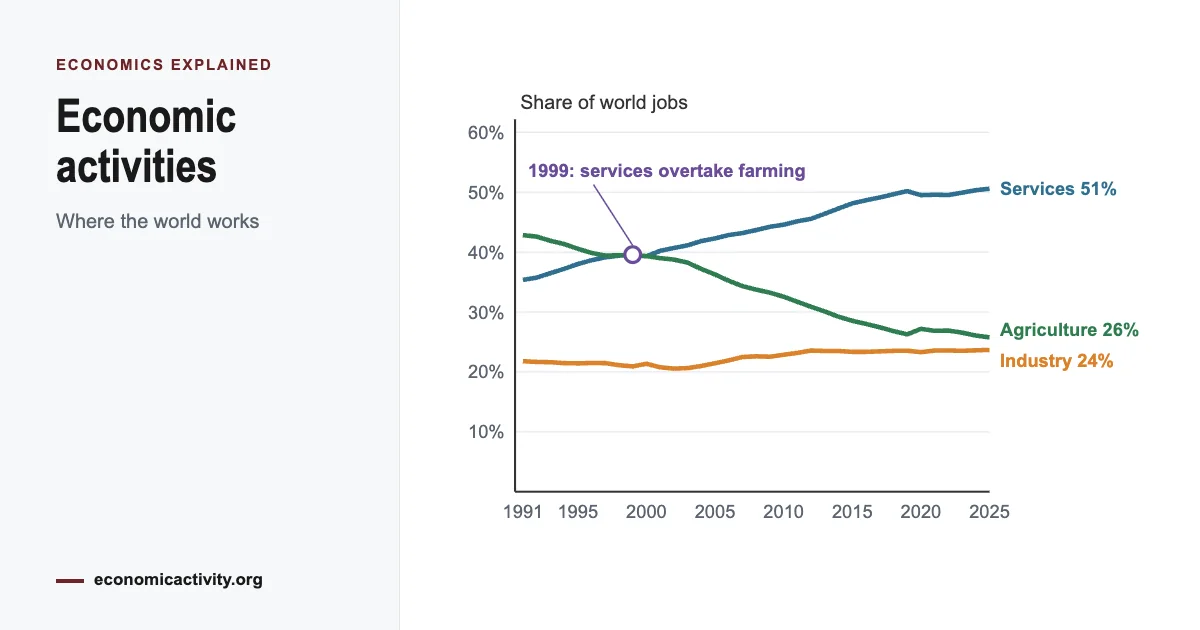
Sectors of the Economy: Primary, Secondary, Tertiary & Quaternary Explained
Key Economic Concept: Modern economies are structured into four primary sectors: primary (resource extraction), secondary (manufacturing & industry), tertiary (services & commerce), and quaternary (knowledge & information services). What are the sectors of the economy? Economic activities are the production processes that use the economic agents and factors of production to create goods and services…
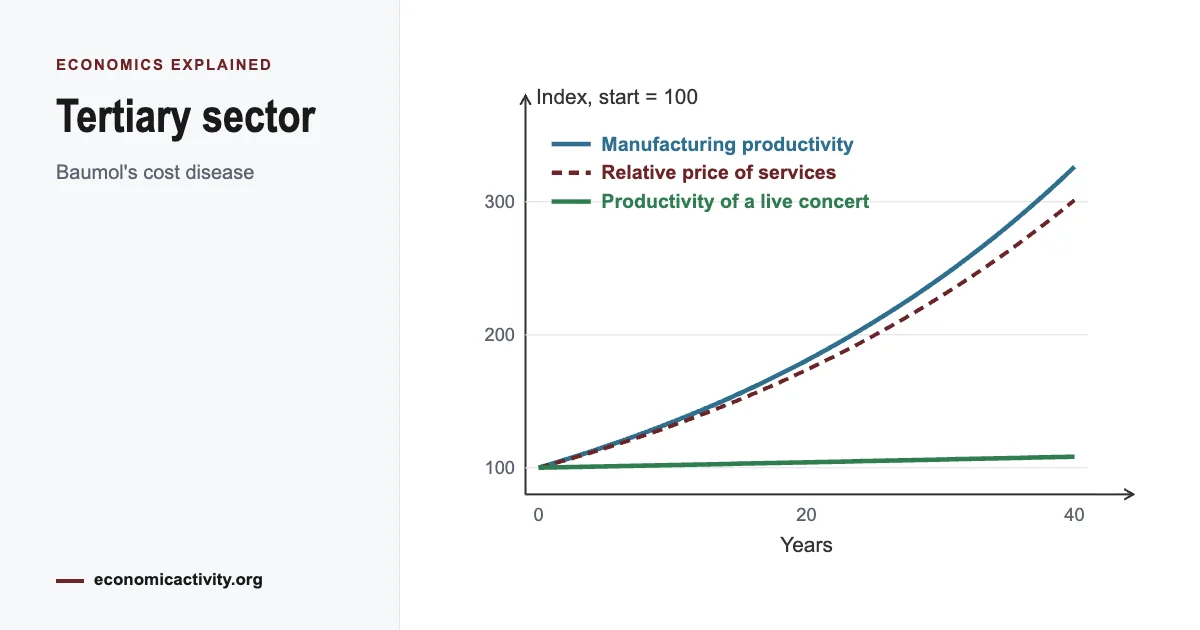
Tertiary economic activity: definition, background, examples
The tertiary sector is the service sector, producing intangible services instead of end goods, and it is the most important part of modern economies. What is the tertiary sector of the economy? It makes up more than 60% of output in developed countries and employs most of the world's workforce. Examples include wholesale and retail…
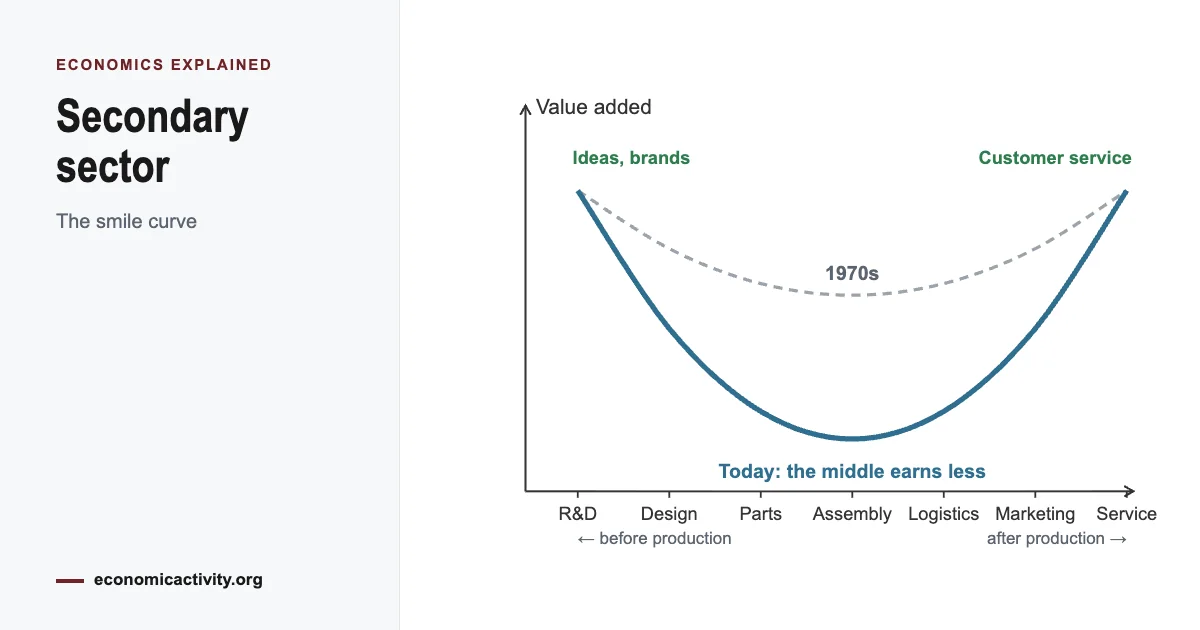
Secondary sector of the economy: definition, background, examples
The secondary sector is what most people call industry, taking the output of primary activities and manufacturing new finished goods for consumption. What is the secondary sector of the economy? It is usually divided into light industry, which is labor intensive, and heavy industry. Examples include food, beverage, textile, and apparel manufacturing. It drove the…
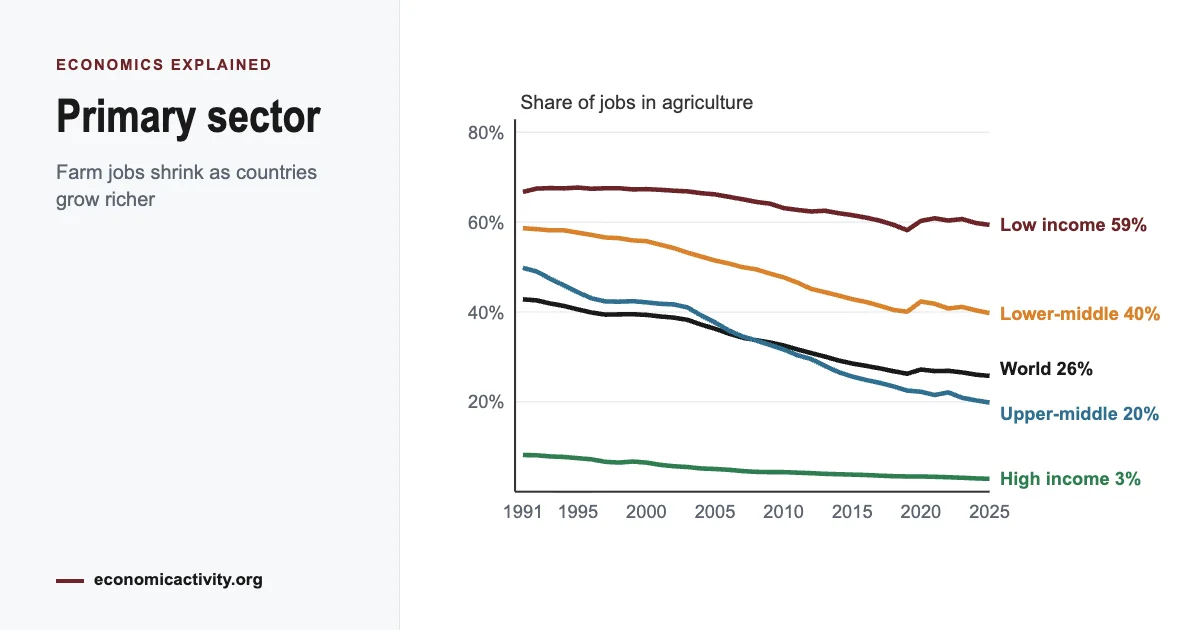
Primary economic activity: definition, background, examples
Primary economic activities are based on extracting or harvesting goods from the natural environment, supplying essential materials for human life and other industries. What are primary economic activities? They include agriculture, forestry, fishing, hunting, and mining, and are common in developing and rural areas. They use more land than any other sector while producing the…