
A traditional economy is an economic system based on customs, habits and beliefs, centred on subsistence farming, herding, hunting or fishing, and often using barter instead of money. It is the oldest economic system and survives today mainly in rural and Indigenous communities across Africa, Asia and the Arctic.
What is a traditional economy?
A traditional economy is governed by custom, ritual and habit rather than markets or central plans (Encyclopaedia Britannica). People produce mainly to feed their own families, and roles pass down through generations. In Chad, one of the world’s least-developed countries, 69% of workers are still employed in agriculture (World Bank, 2023) — the hallmark of an economy built on subsistence.
It is the oldest of the four economic systems. Where a market answers what-how-for-whom with prices, a traditional economy answers them with tradition: you produce what your parents produced, the way they produced it.
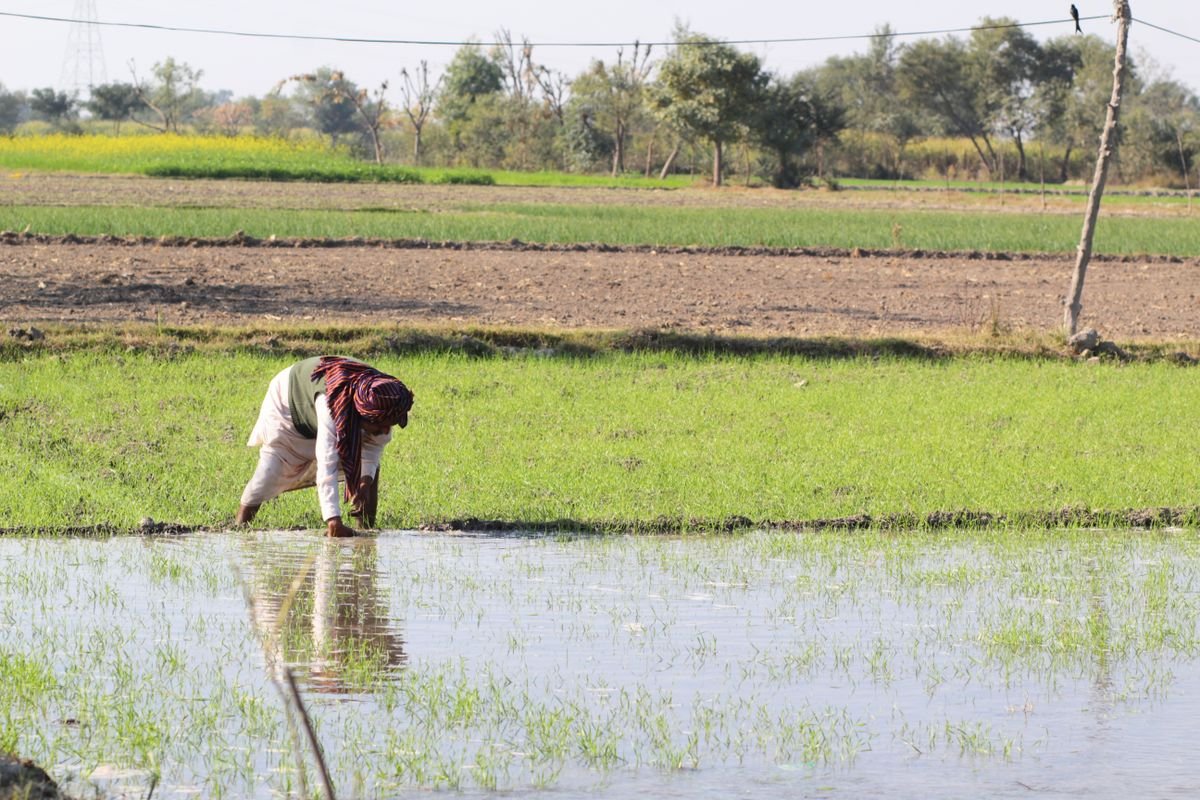
Characteristics of a traditional economy
Traditional economies share a clear set of features:
- Custom-driven — what and how to produce follows inherited practice.
- Subsistence — output feeds the household, with little surplus.
- Primary-sector work — farming, herding, hunting and fishing dominate.
- Barter — goods are often swapped directly rather than bought with money.
This structure still underpins a surprising share of world agriculture. About 84% of the world’s farms are smallholdings under two hectares (FAO), the small, low-input plots typical of traditional farming.
Examples of traditional economies
Pure traditional economies are rare now, but strong traditional elements persist. The Maasai of Kenya and Tanzania — about 375,000 people (National Geographic) — live largely from cattle, goats and sheep, with livestock providing roughly 91% of production and serving as both food and wealth (FAO).
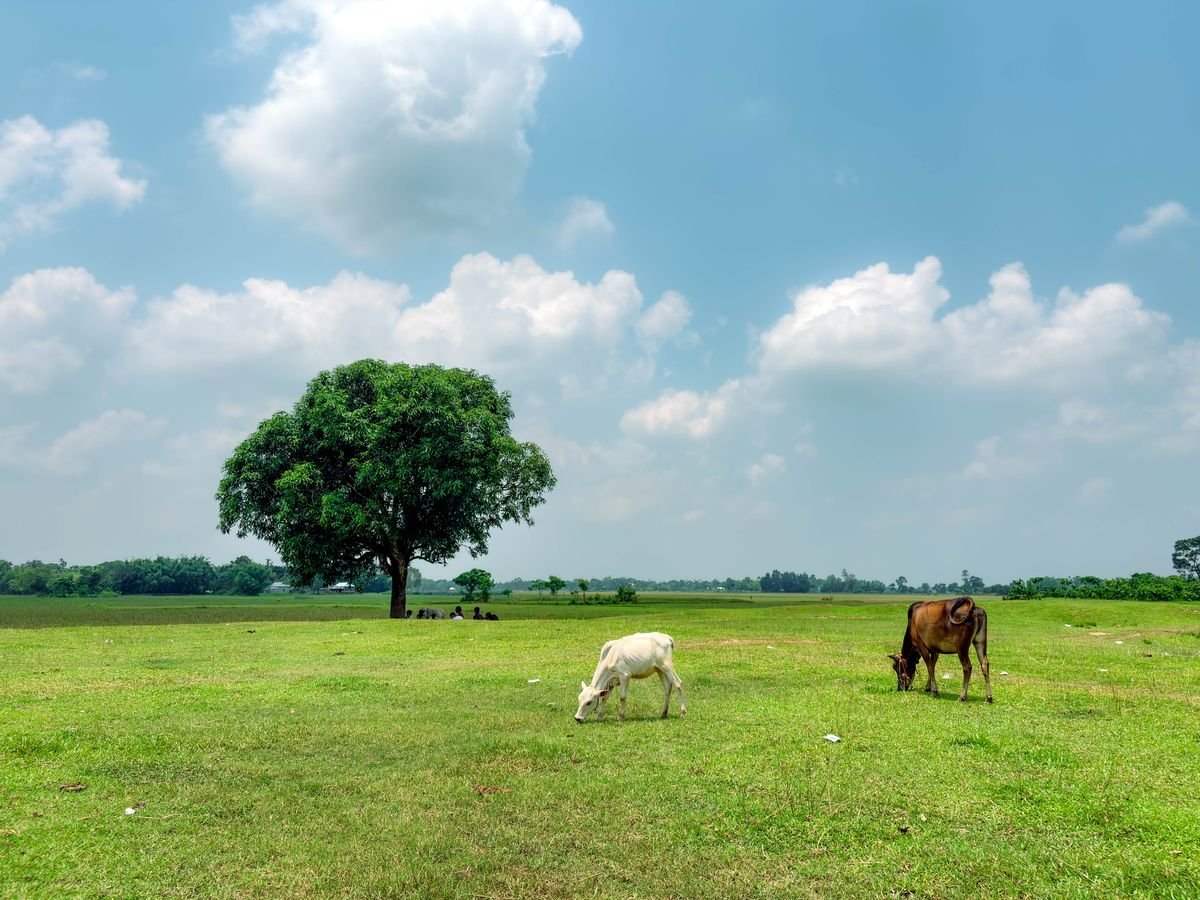
Bhutan keeps a strongly tradition-anchored economy, with around 44% of workers in agriculture and a mostly rural population (World Bank, 2023). Among the Inuit of Arctic Canada, hunted and fished country food still supplies a meaningful share of calories and circulates through kinship-sharing networks rather than markets (Arctic journal, University of Calgary).
Key takeaways
- A traditional economy is based on custom and subsistence, not markets or central planning.
- Work centres on the primary sector — farming, herding, hunting, fishing — often with barter.
- It survives in rural and Indigenous communities: Chad has 69% agricultural employment (World Bank, 2023).
- Examples include the Maasai, rural Bhutan and Inuit subsistence networks.
Advantages and disadvantages of a traditional economy
Traditional economies are sustainable, community-focused and rarely waste resources; roles are clear and social bonds are strong. The cost is vulnerability: output is low, a bad harvest can mean hunger, and there is little growth, technology or protection against shocks. As countries develop, most shift toward market or mixed systems.
Frequently asked questions
What is a traditional economy in simple terms?
A traditional economy is one where people make a living the way their ancestors did — mostly farming, herding, hunting or fishing for their own needs — and decisions follow custom rather than prices or government plans.
What are examples of traditional economies today?
Strong traditional elements survive among the Maasai of East Africa, in rural Bhutan where about 44% of people work in agriculture, and among Inuit communities in Arctic Canada that still rely on hunting and food-sharing.
How does a traditional economy differ from market and command economies?
A traditional economy runs on custom and subsistence. A market economy runs on prices and private competition, and a command economy runs on central government planning. Traditional systems are the oldest and least industrialised of the three.
Sources
- Encyclopaedia Britannica, Traditional economy — retrieved 2026-07-04 — britannica.com
- World Bank, Employment in agriculture (Chad; Bhutan), 2023 — retrieved 2026-07-04 — data.worldbank.org
- FAO, Family farming / smallholders — retrieved 2026-07-04 — fao.org
- National Geographic Education, The Cattle Economy of the Maasai — retrieved 2026-07-04 — nationalgeographic.org
- Arctic journal, University of Calgary, Inuit Subsistence, Clyde River — retrieved 2026-07-04 — ucalgary.ca
Last updated: July 4, 2026


Leave a Reply