
Key Economic Insights: The economy of Cyprus generates an estimated GDP of $36.33 billion ($32,999 per capita) supporting a population of 1,276,508. Productive output is anchored by 85.5% services, 12.5% industry and manufacturing, and 2% agriculture and natural resource extraction. Key merchandise exports include Manufactured goods, mineral resources, and agricultural commodities, directed primarily toward Global and regional trade partners.
Cyprus, with a population of approximately 1,276,508 (2025), is one of the smaller nations by population size. Located in the eastern Mediterranean, Cyprus covers 9,250 square kilometers, ranking 154th in total area, slightly smaller than Lebanon.
As of 2024, Cyprus had a GDP of approximately $36.33 billion, according to the World Bank. In terms of GDP per capita, Cyprus stands at approximately $32,999 (2024), placing it among the higher-income economies.
Cyprus’s economic position reflects steady growth and stability, with a focus on sectors like tourism, shipping, and services contributing significantly to its economy. The country’s strategic location, favorable tax regime, and skilled workforce continue to attract foreign investment, further bolstering its economic outlook.
Cyprus Economic Structure & Sector Analysis
| Economic Dimension | Official Indicator (2024–2026) | Authoritative Source |
|---|---|---|
| GDP & Macro Output | Nominal GDP: $36.33 billion | Per Capita: $32,999 | World Bank WDI / IMF |
| Sector Breakdown | Services: 85.5% | Industry: 12.5% | Agriculture: 2% | World Bank National Accounts |
| Trade & Commodities | Top Exports: Manufactured goods, mineral resources, and agricultural commodities (Total: $3.9 billion) | UN Comtrade / OEC |
| Demographics & Labor | Population: 1,276,508 | Distributed workforce across formal & primary sectors | ILO / UN Population Division |
| Strategic Trade Corridors | Leading Trade Partners: Global and regional trade partners | World Bank WITS / IMF DOTS |
- Primary activities: 2% of GDP.
- Secondary activities: 12.5% of GDP.
- Tertiary activities: 85.5% of GDP.
Primary Sector of Cyprus
Cyprus’ primary sector, dominated by agriculture, benefits from its Mediterranean climate and rich natural resources. Agricultural land covers 13.33% of the country. Main products include milk, potatoes, sheep milk, pork, goat milk, wheat, chicken, barley, grapes, and olives.
Despite contributing 2% to GDP, agriculture plays a vital role in the economy. The variety of crops and animal products highlights the sector’s importance, providing jobs and sustaining traditional practices.
Cyprus boasts a diverse geological landscape, providing abundant natural resources. The primary sector thrives on copper, pyrites, asbestos, gypsum, timber, salt, marble, and clay earth pigment, fueling the economy and supporting various industries.
Secondary Sector of Cyprus
In Cyprus, main industrial products include food and beverage processing, cement, ship repair, textiles, chemicals, metal products, wood, paper, and stone/clay products. In the area administered by Turkish Cypriots, industrial products include foodstuffs, textiles, clothing, ship repair, clay, gypsum, copper, and furniture.
Manufactures in Cyprus only account for 22.7% of total exports in 2023, indicating a relatively minor contribution to the country’s overall export revenue.
Tertiary sector of Cyprus
This sector involves intangible goods such as advice, attention, and expertise, catering to both consumer and business-to-business services. Key tertiary activities in Cyprus include restaurants, healthcare and medical care, education and training, banking and finance, communication and information exchange, media production and distribution, and tourism and hospitality.
Highlighting these, Tourism is a vital pillar of Cyprus’ economy, contributing significantly to its GDP. With over 4 million annual arrivals, the island’s beautiful beaches, rich history, and vibrant culture attract tourists from around the world. Popular destinations include the lively city of Ayia Napa and the ancient ruins of Paphos, a UNESCO World Heritage Site.
Another example of tertiary economic activity is the mobile cellular sector, with approximately 1.4 million subscriptions, fostering technological growth. This connectivity enhances digital services, supporting innovation and economic development.
Military Activities and Economic Sectors of Cyprus
It involves the primary sector through resource extraction for military needs. The secondary sector includes the manufacturing of military equipment. The tertiary sector covers the services provided by the military, while the quaternary sector focuses on military research and development. Lastly, the quinary sector deals with high-level military decision-making and strategy.
In 2023, Cyprus had a military expenditure of 566.9 million US dollars, which is 1.81% of its GDP. The active military force consists of 15,000 personnel. This means there are about 53.1 active military members for every 1,000 people in the country.
Biggest company in Cyprus
Which is the biggest company in Cyprus? The largest company is the Bank of Cyprus, founded in 1899. It operates in the banking industry and is part of the tertiary economic sector. As of 2025, the Bank of Cyprus had a market capitalization of approximately $3.9 billion, making it the largest listed company on the Cyprus Stock Exchange.
International Trade of Cyprus
Import Activities of Cyprus
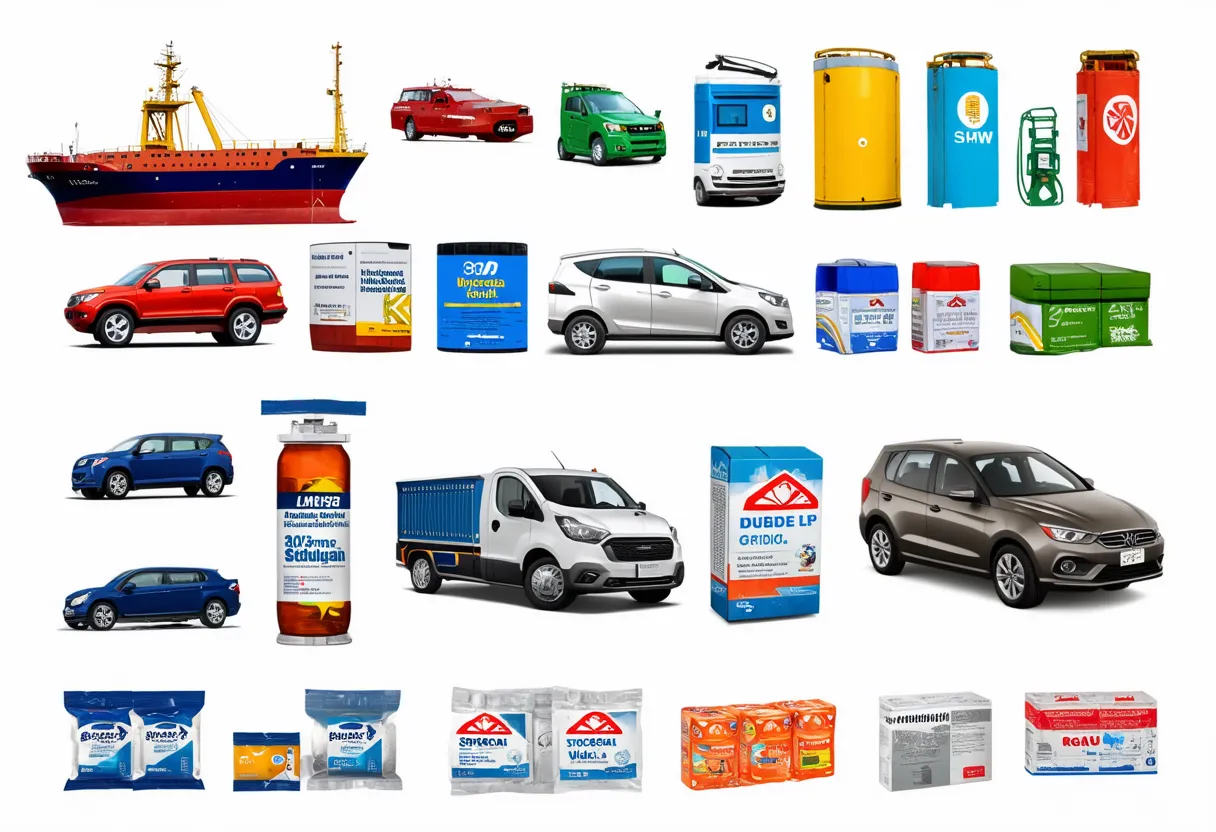
Cyprus relies heavily on imports. Its merchandise imports totaled approximately $14.3 billion, and imports of goods and services equalled roughly 96% of GDP in 2024, according to the World Bank — reflecting the island’s highly open, trade-dependent economy.
Cyprus relies heavily on imports, with key partners being Greece, Turkey, Italy, China, and Israel. Major import commodities include refined petroleum, ships, cars, packaged medicine, and garments.
Exports Activities of Cyprus

Cyprus relies heavily on exports, with exports of goods and services equalling roughly 96.7% of GDP in 2024. This high percentage indicates the crucial importance of export activities in driving the country’s economy and ensuring its growth and stability.
Cyprus exports ships, refined petroleum, packaged medicine, cheese, and scented mixtures. Its top export partners are Hong Kong, Greece, Lebanon, UK, and Liberia.
Cyprus economy challenges in 2024
Cyprus faces challenges in 2024 with economic disparities between the north and south due to political division. The service-based economy struggles with limited manufacturing and heavy reliance on external support, hindering overall growth and stability. Efforts towards reunification remain stalled, impacting trade and development prospects for the island nation.
Sources
- World Bank: Cyprus
- IMF: Cyprus
- CIA World Factbook: Cyprus
- UN Comtrade Plus: Trade Flow
- SIPRI Military Expenditure Database
Last updated: August 2026


Leave a Reply