
China holds by far the largest foreign-exchange reserves in the world, about $3.6 trillion — more than the next three countries combined. Japan, Switzerland and India follow. Countries hold reserves to defend their currency, pay for imports and weather financial shocks.
Countries with the largest foreign exchange reserves (2026)
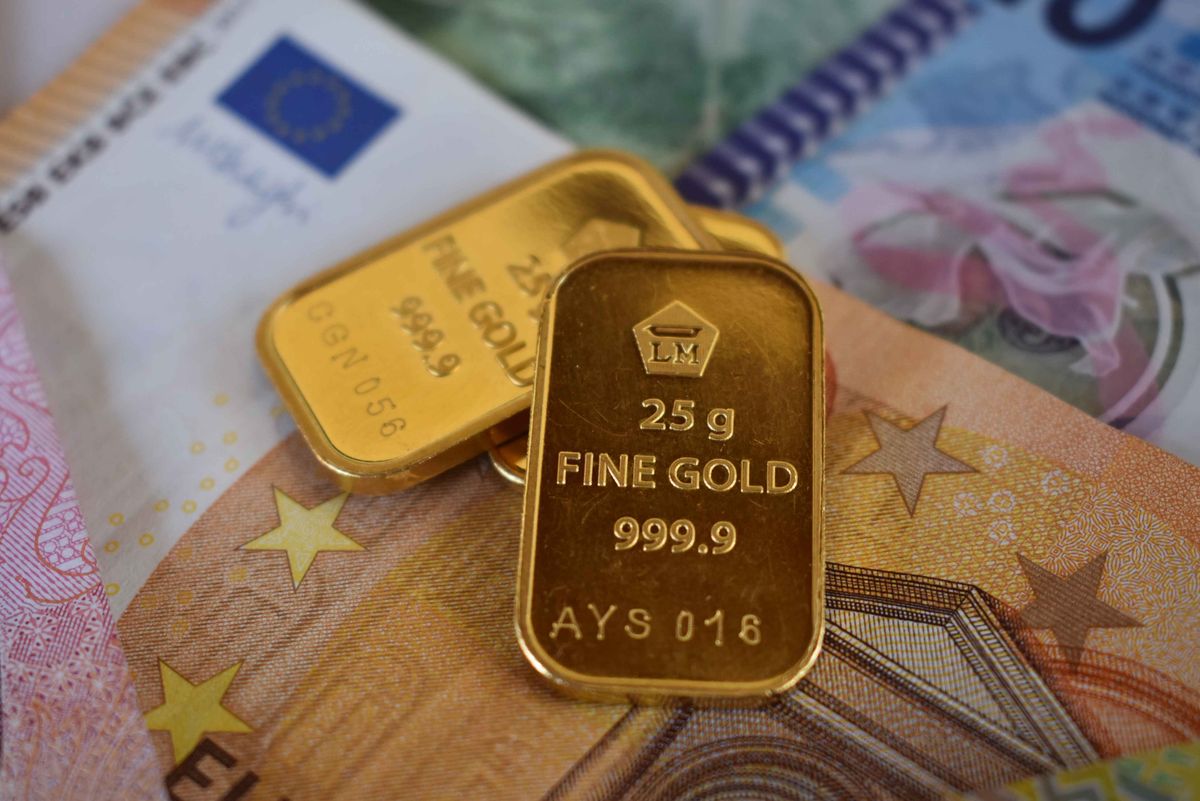
Foreign-exchange reserves are the foreign currencies, gold and other assets a central bank holds. Ranked by total reserves including gold, China dominates the world, holding roughly 2.6 times as much as second-placed Japan. Asian economies fill seven of the top ten spots. Figures move monthly, so these are the latest available.
| Rank | Country | Reserves (USD bn) |
|---|---|---|
| 1 | China | 3,643 |
| 2 | Japan | 1,395 |
| 3 | Switzerland | 1,078 |
| 4 | Russia | 729 |
| 5 | India | 673 |
| 6 | Taiwan | 606 |
| 7 | Saudi Arabia | 495 |
| 8 | Hong Kong | 442 |
| 9 | South Korea | 428 |
| 10 | Singapore | 427 |
Source: IMF and central banks (latest available). Includes gold. Around $300 billion of Russia’s reserves has been frozen abroad since 2022.
Why countries hold reserves
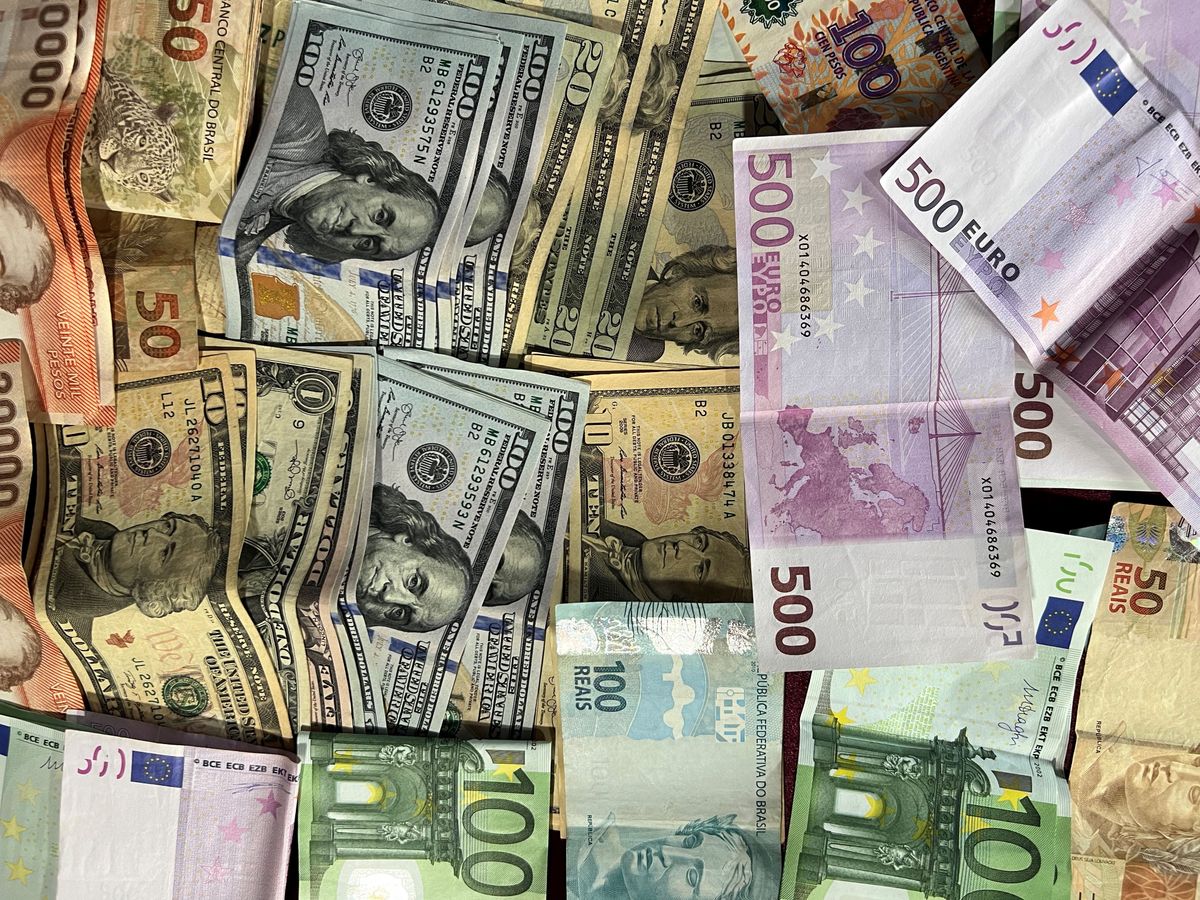
Reserves are a country’s financial buffer. Central banks use them to defend or stabilise their currency, to pay for imports and foreign debt, and to keep confidence during a crisis. Most reserves are held in liquid foreign assets — chiefly US government bonds — plus gold. Globally, official reserves total about $13.1 trillion, of which the US dollar makes up roughly 57% (IMF). China’s vast hoard reflects decades of trade surpluses and a managed exchange rate.
Key takeaways
- China holds the largest foreign-exchange reserves, about $3.6 trillion.
- Japan, Switzerland and India follow; Asia holds seven of the top ten spots.
- Countries hold reserves to defend their currency and pay for imports.
- Global reserves total about $13.1 trillion, mostly in US dollars (IMF).
Frequently asked questions
Which country has the largest foreign exchange reserves?
China, with about $3.6 trillion in total reserves including gold — more than the next three countries combined. Its reserves come from decades of trade surpluses and a carefully managed currency.
What counts as a foreign exchange reserve?
Foreign-exchange reserves are the assets a central bank holds in foreign currencies, plus gold and IMF special drawing rights. Some rankings count foreign currency only; the figures here include gold, which is why China’s total is higher than its currency-only reserves.
How much are total global reserves?
About $13.1 trillion of official reserves worldwide, according to the IMF. The US dollar makes up roughly 57% of the total, far ahead of the euro, reflecting the dollar’s role as the leading reserve currency.
Sources
- Countries by foreign exchange reserves (IMF / central banks) — retrieved 2026-07-05 — wikipedia.org
- SAFE, China’s foreign-exchange reserves — retrieved 2026-07-05 — safe.gov.cn
- IMF, COFER reserve data — retrieved 2026-07-05 — data.imf.org
Last updated: August 2026


Leave a Reply