
Key Economic Insights: The economy of Marshall Islands generates an estimated GDP of $290 million ($7,726 per capita) supporting a population of 37,548. Productive output is anchored by 85.7% services, 9.9% industry and manufacturing, and 4.4% agriculture and natural resource extraction. Key merchandise exports include ships, refined petroleum, fish, coated flat-rolled iron, and wood carpentry, directed primarily toward Global and regional trade partners.
As of 2024, the Marshall Islands’ economy stood at a GDP of approximately $290 million, ranking among the smallest economies globally. The country’s GDP per capita is approximately $7,726 (World Bank, 2024).
Despite its relatively small economic standing, the Marshall Islands continues to navigate its economic landscape with resilience and determination, supported substantially by U.S. Compact of Free Association funding.
Marshall Islands Economic Structure & Sector Analysis
| Economic Dimension | Official Indicator (2024–2026) | Authoritative Source |
|---|---|---|
| GDP & Macro Output | Nominal GDP: $290 million | Per Capita: $7,726 | World Bank WDI / IMF |
| Sector Breakdown | Services: 85.7% | Industry: 9.9% | Agriculture: 4.4% | World Bank National Accounts |
| Trade & Commodities | Top Exports: ships, refined petroleum, fish, coated flat-rolled iron, and wood carpentry (Total: $372 million) | UN Comtrade / OEC |
| Demographics & Labor | Population: 37,548 | Distributed workforce across formal & primary sectors | ILO / UN Population Division |
| Strategic Trade Corridors | Leading Trade Partners: Global and regional trade partners | World Bank WITS / IMF DOTS |
- Primary activities: 4.4% of GDP.
- Secondary activities: 9.9% of GDP.
- Tertiary activities: 85.7% of GDP.

Primary Sector of Marshall Islands
The primary sector in the Marshall Islands primarily revolves around agricultural activities due to its favorable climate and abundant natural resources. With 38.89% of the country’s land dedicated to agriculture, the main agricultural products include coconuts, breadfruit, pandanus, taro, and bananas.
Despite contributing only 4.4% to the GDP, agriculture plays a vital role in the country’s economy by providing a variety of crops and animal products essential for sustenance and trade. The diverse range of agricultural products highlights the significance of the sector in ensuring food security and promoting local livelihoods.
The country’s geological diversity, with a vast expanse of ocean and numerous atolls, impacts the availability of resources. Its primary sector thrives on natural resources such as coconut products, marine products, and deep seabed minerals. These resources play a significant role in the country’s economy, providing employment opportunities and contributing to export revenue.Secondary Sector of Marshall Islands
In the Marshall Islands, main industrial products include copra, tuna processing, and craft items made from seashells, wood, and pearls. These products are manufactured for domestic consumption and export, contributing to the country’s economy.In 2023, Marshall Islands’ manufactures exports accounted for a small percentage of the total exports, indicating their limited significance in driving the country’s economy.Tertiary sector of Marshall Islands
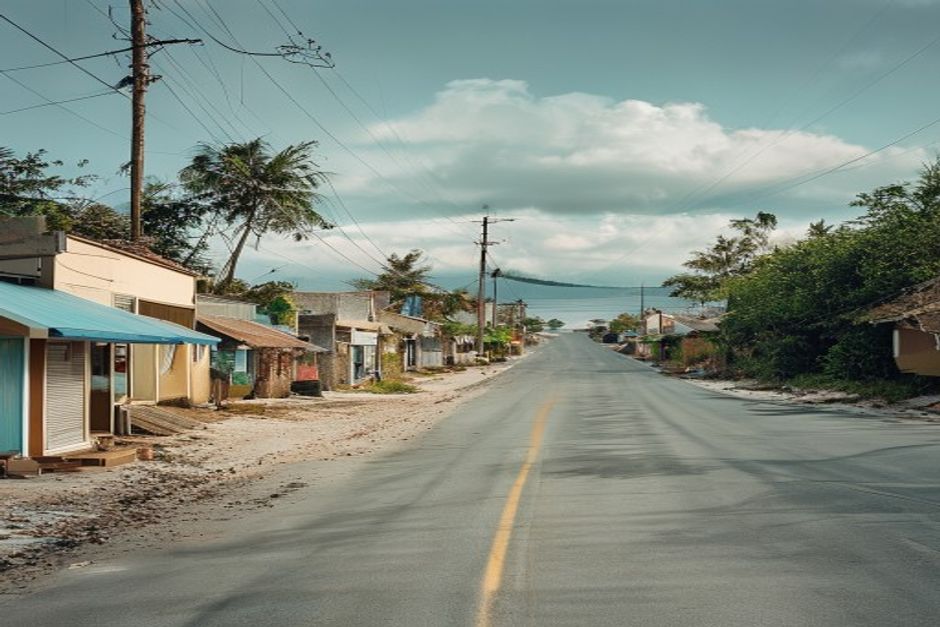
Biggest company in Marshall Islands
Which is the biggest company in the Marshall Islands? Among genuinely domestic enterprises, the Bank of the Marshall Islands is the country’s largest privately held company and principal commercial bank, chartered in the Republic of the Marshall Islands in 1982 and operating in the banking and finance industry (part of the tertiary sector). Other major entities are state-owned enterprises, including the Tobolar Copra Processing Authority, which produces the country’s coconut oil for export (U.S. Dept. of State, 2023).International Trade of Marshall Islands
Import Activities of Marshall Islands
 The import activities of the Marshall Islands are of high importance, with imports accounting for roughly 74% of GDP (as of 2023). Note that the Marshall Islands’ open ship registry — one of the world’s largest flags of convenience — heavily inflates its recorded trade in ships.The Marshall Islands primarily import ships, refined petroleum, additive manufacturing machines, centrifuges, and iron structures. Their key import partners are China (33%), South Korea (31%), Japan (12%), Taiwan (4%), and Brazil (4%). These imports are crucial for the country’s infrastructure and industrial development.
Exports Activities of Marshall Islands
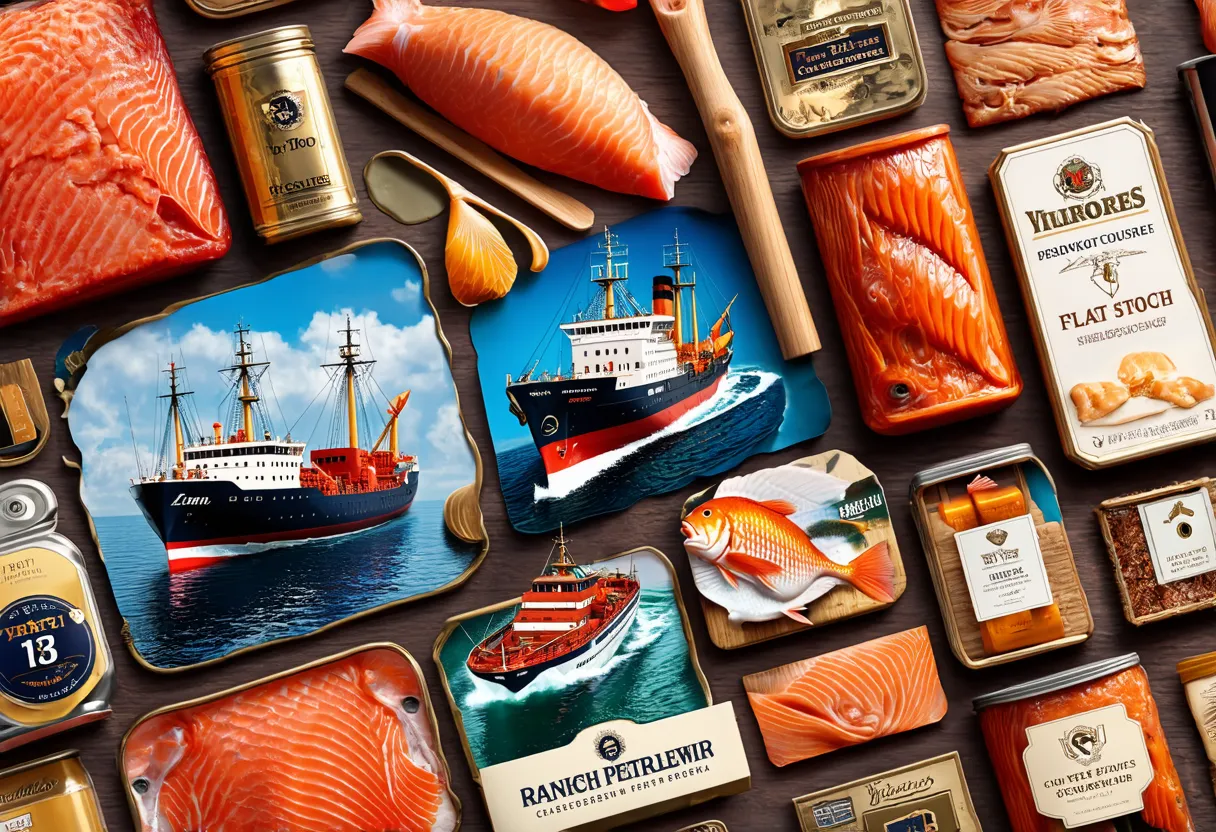 As of 2023, exports accounted for roughly 46% of GDP, a figure likewise dominated by re-exported vessels registered under the Marshall Islands flag. This high percentage underscores the critical importance of export activities in driving the country’s economic growth and stability.Marshall Islands primarily exports ships, refined petroleum, fish, coated flat-rolled iron, and wood carpentry. Its key export partners are Germany (30%), Denmark (15%), UK (14%), Malta (6%), and Indonesia (5%). These partnerships drive the country’s export activities, contributing to its economic growth and trade diversification.
Marshall Islands economy challenges in 2024
As of 2024, the Marshall Islands faces challenges with its reliance on US aid, a large public sector, and being import-dependent. Under the renewed 2023 Compact of Free Association, the U.S. announced over $372 million in Compact funding for the Marshall Islands in 2024, including a $200 million contribution toward a Compact Trust Fund (U.S. Embassy RMI, 2024). The economy, based on coconut oil production, fisheries access fees, and ship registry revenue, aims to diversify and reduce dependency on external support for long-term stability.Sources
- World Bank: Marshall Islands
- IMF: Marshall Islands
- CIA World Factbook: Marshall Islands
- UN Comtrade Plus: Trade Flow
- U.S. Dept. of State: 2023 Investment Climate Statement
Last updated: August 2026

Leave a Reply