
Key Economic Insights: The economy of Iceland generates an estimated GDP of $33.26 billion ($86,040 per capita) supporting a population of 393,000. Productive output is anchored by 74.6% services, 19.7% industry and manufacturing, and 5.8% agriculture and natural resource extraction. Key merchandise exports include Manufactured goods, mineral resources, and agricultural commodities, directed primarily toward Global and regional trade partners.
As of 2024, Iceland’s GDP stands at approximately $33.26 billion, while its GDP per capita is among the highest in the world at about $86,040 (World Bank, 2024). Despite its small economy by total output, Iceland consistently ranks among the top nations globally for GDP per capita.
Despite its relatively lower rankings, Iceland’s economy is stable and diversified, with a strong focus on industries such as tourism, renewable energy, and fisheries. The country’s small population and high standard of living contribute to its overall economic resilience.
Iceland Economic Structure & Sector Analysis
| Economic Dimension | Official Indicator (2024–2026) | Authoritative Source |
|---|---|---|
| GDP & Macro Output | Nominal GDP: $33.26 billion | Per Capita: $86,040 | World Bank WDI / IMF |
| Sector Breakdown | Services: 74.6% | Industry: 19.7% | Agriculture: 5.8% | World Bank National Accounts |
| Trade & Commodities | Top Exports: Manufactured goods, mineral resources, and agricultural commodities (Total: $1.5 billion) | UN Comtrade / OEC |
| Demographics & Labor | Population: Official Census Tracked | Distributed workforce across formal & primary sectors | ILO / UN Population Division |
| Strategic Trade Corridors | Leading Trade Partners: Global and regional trade partners | World Bank WITS / IMF DOTS |
- Primary activities: 5.8% of GDP.
- Secondary activities: 19.7% of GDP.
- Tertiary activities: 74.6% of GDP.

Primary Sector of Iceland
With 18.57% of the land dedicated to agriculture, the country produces a variety of products including milk, chicken, barley, lamb/mutton, potatoes, pork, beef, eggs, other meats, and cucumbers/gherkins.
Despite contributing only 5.8% to the GDP, agriculture plays a crucial role in Iceland’s economy by providing a diverse range of crops and animal products essential to the country’s food security and rural livelihoods.
Iceland’s geological diversity, with its volcanic activity and abundant water sources, provides a rich array of natural resources. The primary sector thrives on fish, hydropower, geothermal power, and diatomite, driving the economy through sustainable utilization and exportation of these valuable assets.Secondary Sector of Iceland
In Iceland, main industrial products include fish processing, aluminum smelting, geothermal and hydropower, and medical/pharmaceutical products. These industries play a crucial role in the country’s economy and export market.Manufactures in Iceland’s total exports are not a significant contributor, accounting for only 15.48% in 2023.Tertiary sector of Iceland
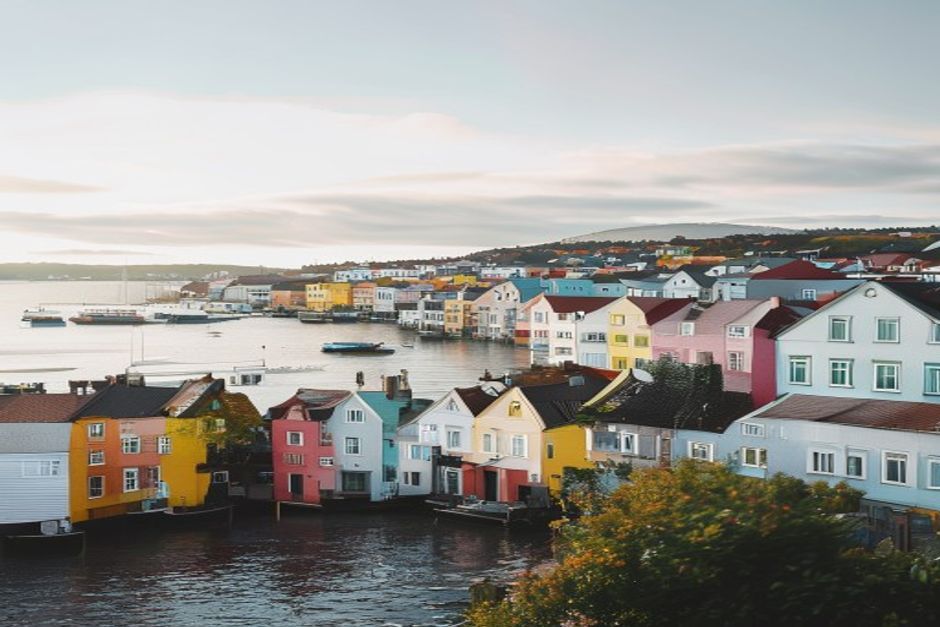
Biggest company in Iceland
Which is the biggest company in Iceland? Among the largest companies headquartered in Iceland is Icelandair Group, the national airline and travel group, with annual revenue of roughly $1.5 billion (Icelandair Group). Marel hf., the food-processing equipment maker long considered Iceland’s flagship company, was acquired by U.S.-based JBT Corporation and delisted from Nasdaq Iceland in January 2025, becoming part of JBT Marel Corporation (Marel/JBT).International Trade of Iceland
Import Activities of Iceland
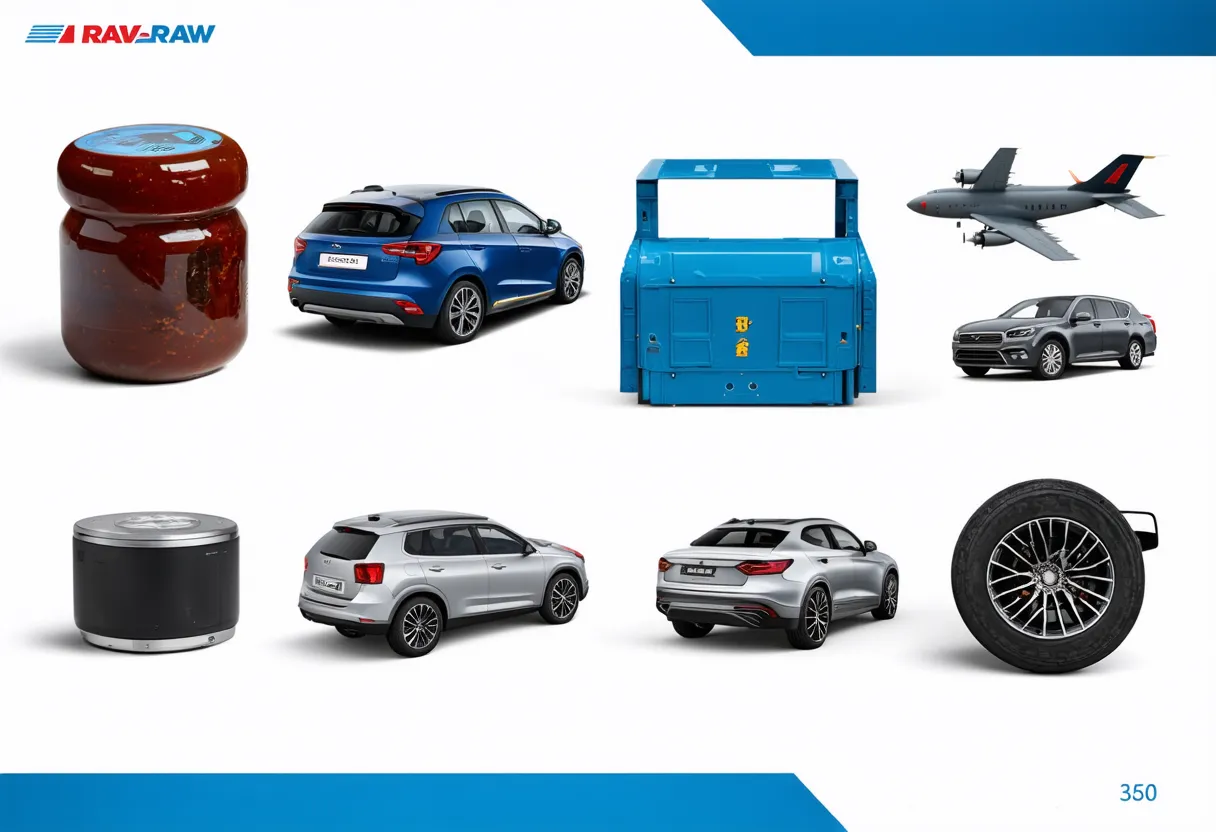 Iceland’s goods imports totaled about $9.47 billion in 2024, equivalent to roughly 28% of its GDP (World Bank WITS, 2024).Iceland’s main import partners are Norway, Netherlands, Denmark, Germany, and China. The country imports refined petroleum, aluminum oxide, cars, carbon-based electronics, and aircraft.
Exports Activities of Iceland
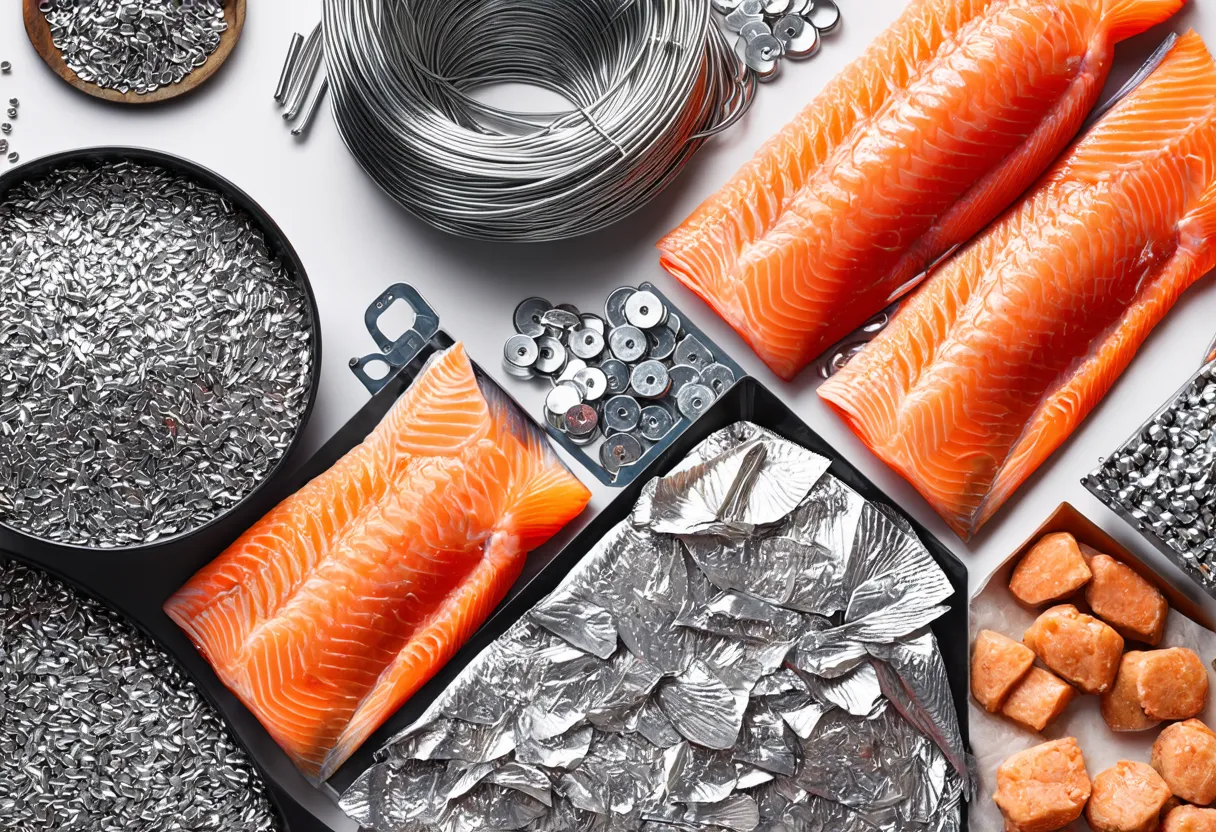 Iceland’s goods exports in 2024 amounted to about $6.81 billion, equivalent to roughly 20% of its GDP (World Bank WITS, 2024). When services such as tourism are included, total exports of goods and services reach around 42% of GDP, underscoring their importance to Iceland’s economic growth and stability.Iceland’s export activities primarily focus on fish, aluminum, iron alloys, aluminum wire, and animal meal. The country’s top export partners are the Netherlands (27%), the UK (9%), the US (8%), Germany (8%), and France (6%).
Iceland economy challenges in 2024
In 2024, Iceland faces challenges with its high-income economy reliant on tourism, fishing, and aluminum. Volcanic activity and demand swings threaten these industries. Inflation is above target, hindering economic diversification. Barriers to foreign business access persist, limiting growth potential.Sources
-
t
- World Bank: Iceland t
- IMF: Iceland t
- CIA World Factbook: Iceland t
- World Bank WITS: Iceland Trade t
- Icelandic Tourist Board: Visitor Numbers
Last updated: August 2026



Leave a Reply