
The economic activities in Somalia are led by agriculture at about 40.2% of GDP, with industry at 27.4% and services at 32.5%. What are the main economic activities in Somalia? Livestock herding, farming of sorghum and sugarcane, and trade, with agriculture supplying over half of export earnings. The 2024 GDP was about $11.97 billion, near $629.50 per person. A livestock-based economy.
As of 2024, Somalia’s GDP was approximately $11.97 billion (World Bank, current US$). The GDP per capita stood at approximately $629.50 (World Bank, 2024), among the lowest in the world. As a conflict-affected, low-income economy, Somalia’s data are estimates and subject to revision.
Despite facing challenges, Somalia is striving to improve its economic indicators and enhance the standard of living for its citizens.
What are the economic activities of Somalia?
- Primary activities (agriculture): approximately 40.2% of GDP.
- Secondary activities (industry): approximately 27.4% of GDP.
- Tertiary activities (services): approximately 32.5% of GDP.
Primary Sector of Somalia
Approximately 70.34% of the country’s land is dedicated to agriculture. The main agricultural products include camel milk, milk, goat milk, sheep milk, sugarcane, fruits, sorghum, cassava, vegetables, and maize.
With agriculture (including livestock) contributing roughly 40% of GDP and more than half of export earnings, it plays a crucial role in the economy by providing a variety of crops and animal products essential for sustenance and trade. The diverse range of agricultural products highlights the sector’s importance in ensuring food security and livelihoods for many in Somalia.
The country boasts a diverse geological landscape, leading to abundant natural resources. These include uranium, iron ore, tin, gypsum, bauxite, copper, salt, natural gas, and potentially oil. The primary sector drives the economy through the exploitation of these resources, offering significant potential for growth and development.Secondary Sector of Somalia
What is the secondary sector or what are secondary activities?The secondary sector involves industries that create finished products ready for consumption. They take raw materials from primary activities and manufacture new goods for domestic sale or export. In Somalia, the main industrial products include light industries such as sugar refining, textiles, and wireless communication.In 2023, Somalia’s manufactures exports accounted for a minimal percentage of the country’s total exports, indicating their lack of significance in driving the economy and trade growth.Tertiary sector of Somalia
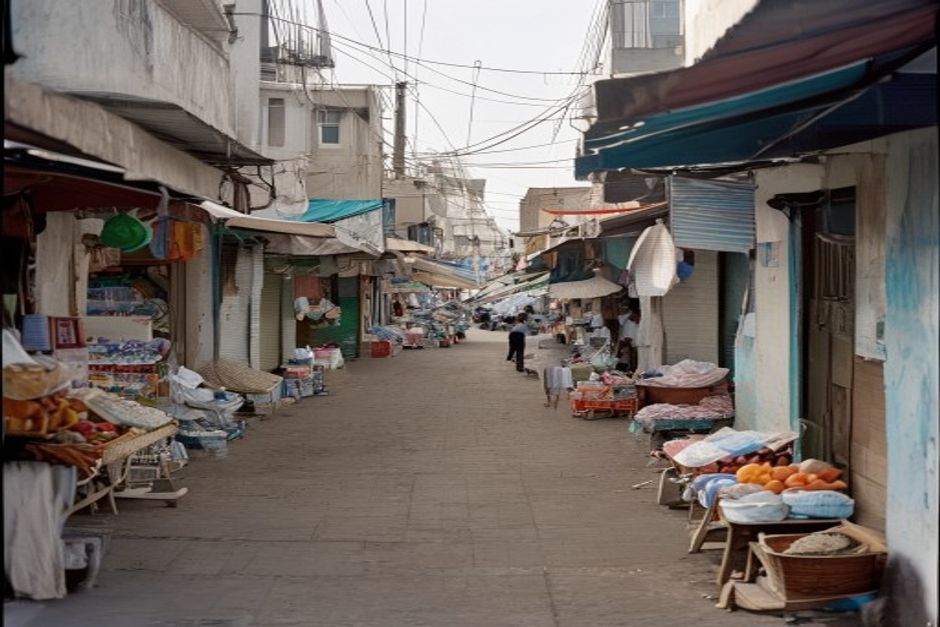
Military Activities and Economic Sectors of Somalia
In Somalia, the primary sector helps by providing resources needed for military use. The secondary sector focuses on making military equipment. The tertiary sector includes services like training and support. The quaternary sector involves research and development for better military technology, while the quinary sector deals with high-level decisions and strategies for national defense.
As of 2023, Somalia’s military expenditure was approximately 143.5 million US dollars (SIPRI), equivalent to roughly 1.2% of its GDP. The country has an active military force of 19,800 personnel. This means there are about 1.8 active military members for every 1,000 people in Somalia.
International Trade of Somalia
Import Activities of Somalia
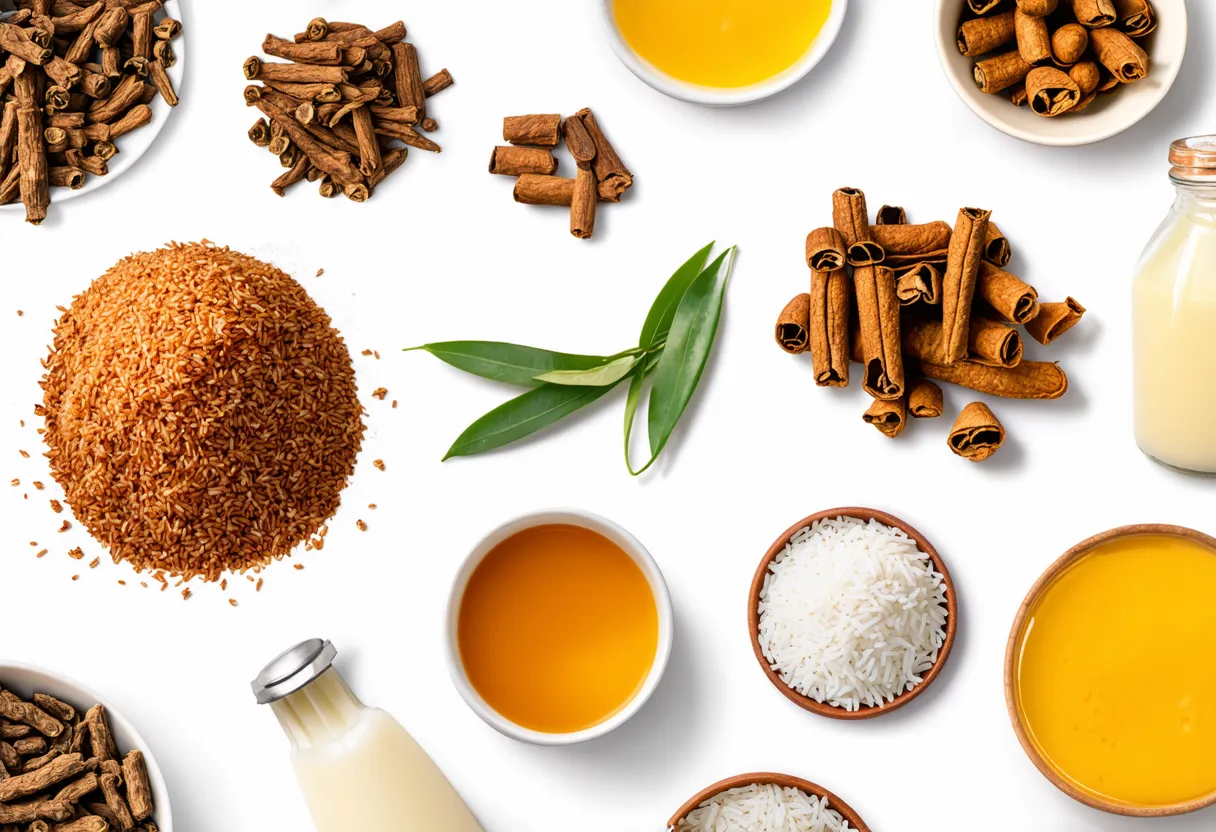 Somalia’s high import activities, accounting for 78.53% of GDP, are crucial for meeting domestic needs and driving economic growth.Somalia’s main import partners are UAE, China, India, Turkey, and Ethiopia. Key import commodities include tobacco, raw sugar, palm oil, rice, and milk, reflecting the country’s diverse import activities.
Exports Activities of Somalia
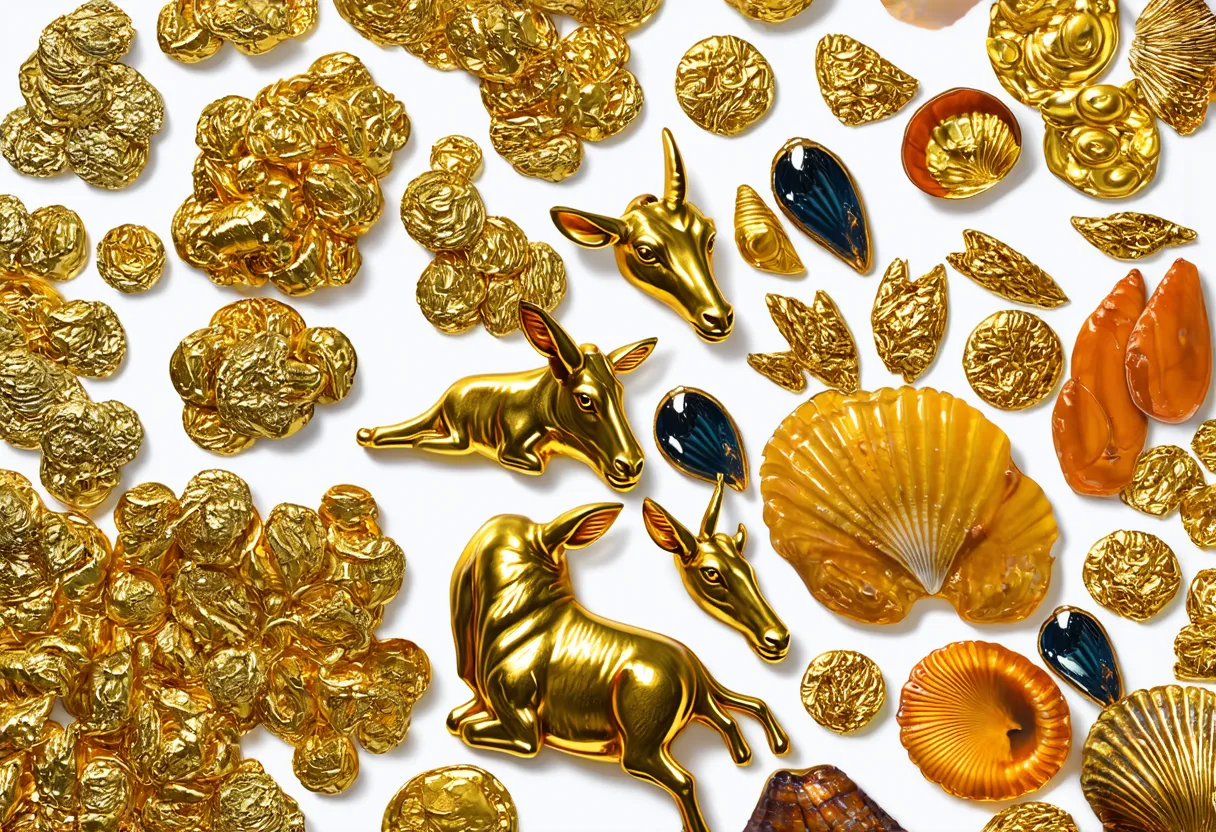 Somalia’s total exports in 2023 amounted to $1,804,044,000.41. With exports contributing to 17.31% of GDP, it holds medium importance in driving the country’s economic growth and stability.Somalia’s export activities are primarily focused on gold, livestock, and natural resources. The country’s main export partners are the UAE and Oman, with significant contributions from Bulgaria, India, and Kuwait. Key export commodities include gold, sheep and goats, cattle, gum resins, and shellfish.
Somalia economy challenges in 2024
Somalia faces challenges in 2024 with its low-income economy, ongoing instability, and environmental fragility. Despite progress in debt relief and urbanization, the country relies heavily on remittances for survival, hindering economic growth. The new fiscal federalism approach aims to address these issues, but sustainable development remains a pressing concern.Sources
- World Bank: Somalia Data
- IMF: Somalia Country Page
- CIA World Factbook: Somalia
- UN Comtrade Plus: Trade Flow
- SIPRI Military Expenditure Database
Last updated: June 19, 2026

Leave a Reply