
The economic activities in Estonia are led by services at 68.1% of GDP, with industry at 29.2% and agriculture at 2.8%. What are the main economic activities in Estonia? The economy reached about $43.13 billion in 2024, with a strong digital orientation and resources like oil shale and timber. Services and technology drive its output.
As of 2024, Estonia’s GDP stands at approximately $43.13 billion (World Bank, 2024). In terms of GDP per capita, Estonia stands at approximately $31,428 (World Bank, 2024).
Estonia’s economy demonstrates resilience and a strong digital orientation, positioning it as a key player in the regional and global market.
What are the economic activities of Estonia?
- Primary activities: 2.8% of GDP.
- Secondary activities: 29.2% of GDP.
- Tertiary activities: 68.1% of GDP.

Primary Sector of Estonia
With 23.08% of the country’s land dedicated to agriculture, Estonia produces a variety of crops and animal products. Its main agricultural products include wheat, milk, barley, rapeseed, oats, peas, potatoes, rye, pork, and beans.
Despite contributing 2.8% to the GDP, agriculture plays a vital role in the economy, providing a diverse range of products and sustaining rural livelihoods. The sector’s significance lies in the variety of crops and animal products it produces, highlighting the country’s agricultural diversity and resilience.
The country’s diverse geology provides a rich array of natural resources, including oil shale, peat, rare earth elements, phosphorite, clay, limestone, sand, dolomite, arable land, and sea mud. These resources drive the economy through industries such as energy production, agriculture, and construction, contributing significantly to the country’s economic development.Secondary Sector of Estonia
What is the secondary sector or what are secondary activities?In Estonia, main industrial products include food, engineering, electronics, wood products, textiles, and information technology. These sectors play a crucial role in the country’s economy by producing goods for domestic consumption and export.Manufactures play a crucial role in Estonia’s total exports, accounting for 66.06% in 2023. This highlights the significant contribution of the manufacturing sector to the country’s economy and global trade.Tertiary sector of Estonia
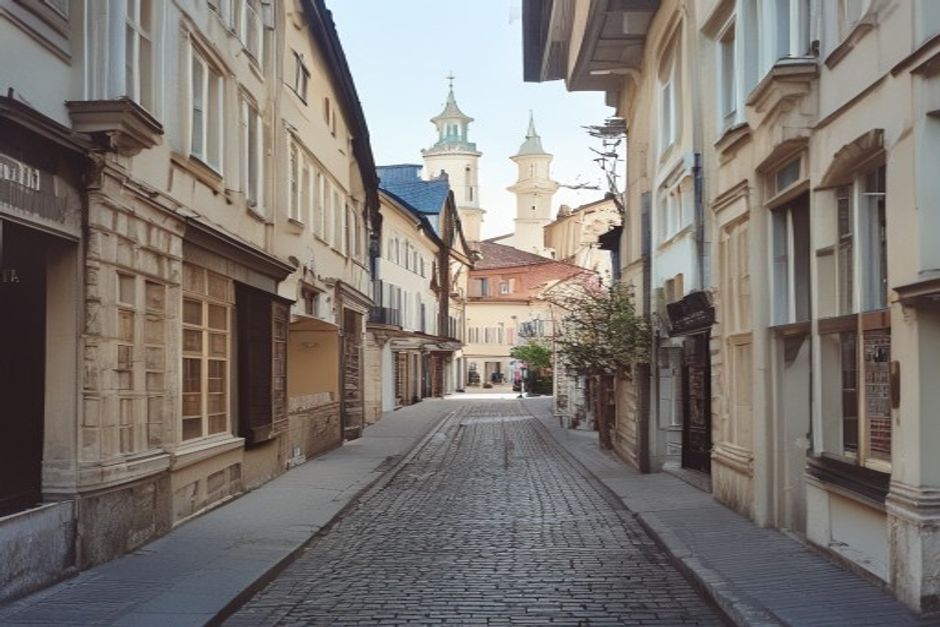
Military Activities and Economic Sectors of Estonia
In the primary sector, resources are extracted for military use, like metals for weapons. The secondary sector includes the manufacturing of military equipment, such as vehicles and weapons. The tertiary sector involves services provided by the military, like training and logistics. Research and development in the quaternary sector helps create new technologies, while high-level decision making in the quinary sector shapes military strategy.
In Estonia, the most recent annual defence budget is about €1.33 billion (2024), equal to roughly 3.4% of the country’s GDP (Estonian Ministry of Defence); the government has committed to raising this toward 5% of GDP from 2026. The active military force consists of about 7,100 personnel, roughly 5.2 active members for every 1,000 inhabitants.
Biggest company in Estonia
Which is the biggest company in Estonia? It’s Eesti Energia, the state-owned energy group, valued at about €3.35 billion at the end of 2024 — the most valuable company in Estonia ahead of Swedbank and Luminor Bank (Nasdaq Baltic TOP101, 2024). Eesti Energia operates across power generation (including oil shale and renewables) and retail energy; in 2025 it fully reabsorbed its renewables arm Enefit Green. The company is central to Estonia’s secondary energy sector.International Trade of Estonia
Import Activities of Estonia
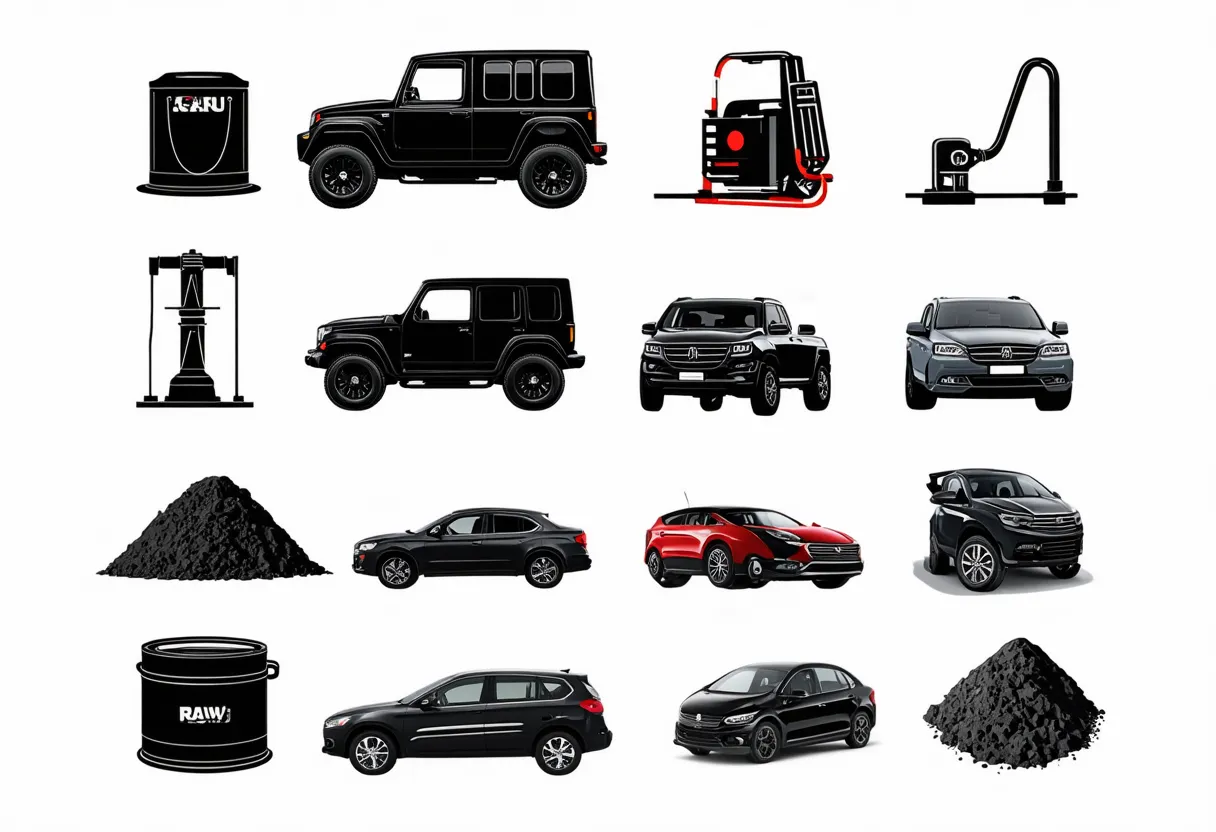 Estonia’s high import activities, accounting for about 75.7% of GDP in 2024 (World Bank), are crucial for meeting domestic demand and driving economic growth.Estonia’s key import partners include Finland, Germany, Lithuania, Latvia, and Russia. The country primarily imports refined petroleum, cars, electricity, natural gas, and coal tar oil.
Exports Activities of Estonia
 Estonia’s total exports of goods and services in 2024 amounted to roughly €31 billion (about €19 billion in goods and €12.5 billion in services), accounting for approximately 76% of its GDP (Statistics Estonia). This indicates the critical importance of export activities to the country’s economy.Estonia’s export activities are diverse, with key partners like Finland, Latvia, and Sweden. The country primarily exports electricity, broadcasting equipment, refined petroleum, wood, and coal tar oil, with significant trade volumes to its neighboring countries and Russia.
Estonia economy challenges in 2024
Estonia faces economic challenges in 2024 due to inflation, trade disruptions from the Ukraine war, and decreased intra-EU trade. Recovery hinges on boosting private investment and productivity to counter the downturn in the service-based economy.Sources
- World Bank: Estonia
- IMF Data Mapper
- CIA World Factbook: Agricultural Products
- UN Comtrade Plus: Trade Flow
- SIPRI Military Expenditure Database
Last updated: June 20, 2026


Leave a Reply