
Key Economic Insights: The economy of Latvia generates an estimated GDP of $43.68 billion ($23,409 per capita) supporting a population of 1,866,124. Productive output is anchored by 73.7% services, 22.4% industry and manufacturing, and 3.9% agriculture and natural resource extraction. Key merchandise exports include wood, wheat, natural gas, electricity, and broadcasting equipment, directed primarily toward Global and regional trade partners.
As of 2024, Latvia has a population of 1,866,124, ranked 144th globally, just behind North Macedonia. Located in Northern Europe, it covers 64,590 sq. km, ranking 119th worldwide, just below Lithuania.
As of 2024, Latvia’s economy has a GDP of approximately $43.68 billion (World Bank), ranking around 95th globally. In terms of GDP per capita, Latvia stands at roughly $23,409 (2024), with a purchasing-power-parity (PPP) GDP per capita of about $38,936.
As a high-income EU and eurozone member, Latvia’s economy demonstrates stability and potential for growth across its industrial, logistics, and IT-driven service sectors.
Latvia Economic Structure & Sector Analysis
| Economic Dimension | Official Indicator (2024–2026) | Authoritative Source |
|---|---|---|
| GDP & Macro Output | Nominal GDP: $43.68 billion | Per Capita: $23,409 | World Bank WDI / IMF |
| Sector Breakdown | Services: 73.7% | Industry: 22.4% | Agriculture: 3.9% | World Bank National Accounts |
| Trade & Commodities | Top Exports: wood, wheat, natural gas, electricity, and broadcasting equipment (Total: $20 billion) | UN Comtrade / OEC |
| Demographics & Labor | Population: 1,866,124 | Distributed workforce across formal & primary sectors | ILO / UN Population Division |
| Strategic Trade Corridors | Leading Trade Partners: Global and regional trade partners | World Bank WITS / IMF DOTS |
- Primary activities: 3.9% of GDP.
- Secondary activities: 22.4% of GDP.
- Tertiary activities: 73.7% of GDP.

Primary Sector of Latvia
Latvia’s primary sector, primarily agriculture, thrives due to its temperate climate and fertile land. With 31.66% agricultural land, the country produces a variety of crops like wheat, barley, and potatoes, alongside dairy and pork products.
Despite contributing 3.9% to the GDP, agriculture plays a crucial role in the economy. The diverse range of agricultural products highlights the sector’s significance, ensuring food security and supporting rural livelihoods.
With a diverse geological landscape, Latvia boasts abundant natural resources like peat, limestone, dolomite, amber, hydropower, timber, and arable land. These resources play a crucial role in driving the economy, with timber and arable land supporting the agricultural sector, while hydropower contributes to the energy industry. Peat, limestone, and dolomite are essential for construction and manufacturing, and the presence of amber adds to the country’s cultural and economic value.
Secondary Sector of Latvia
In Latvia, main industrial products include processed foods, wood products, textiles, metals, pharmaceuticals, railroad cars, synthetic fibers, and electronics.
Manufactures play a crucial role in Latvia’s total exports, accounting for 56.39% in 2023. This highlights their significant contribution to the country’s economy and global trade competitiveness.
Tertiary sector of Latvia
Main activities include restaurants, healthcare, education, banking, communication, tourism, and transportation. These services offer intangible goods like expertise and advice to both consumers and businesses.
Highlighting these, Tourism plays a crucial role in Latvia’s economy, contributing significantly to its GDP. With an impressive 8,342,000 annual arrivals, surpassing the country’s population by a factor of 4.4, popular destinations like the picturesque Old Town of Riga and the Gauja National Park attract visitors worldwide, driving economic growth.
Another example of tertiary economic activity is the mobile cellular sector, with 2.2 million subscriptions, supporting technological growth. This connectivity fosters innovation and enhances digital services across various industries.
Military Activities and Economic Sectors of Latvia
In the primary sector, resources are extracted for military use. The secondary sector focuses on manufacturing military equipment. The tertiary sector includes services provided by the military, while the quaternary sector deals with military research and development. Finally, the quinary sector involves high-level decision-making and strategy in the military.
In Latvia, defence spending has risen sharply amid regional security concerns. The 2025 defence budget reached approximately €1,559 million, or about 3.45% of GDP, according to the Latvian Ministry of Defence. Latvia has reintroduced conscription and is expanding its National Armed Forces, which together with the National Guard number in the tens of thousands of personnel.
Biggest company in Latvia
Which is the biggest company in Latvia? By revenue, the largest Latvian company is Latvenergo, the state-owned electricity utility, with a turnover of about €2.03 billion in 2024 (Latvenergo). Founded in 1939, it generates, distributes, and sells electricity and is one of the largest companies in the Baltic region.
International Trade of Latvia
Import Activities of Latvia
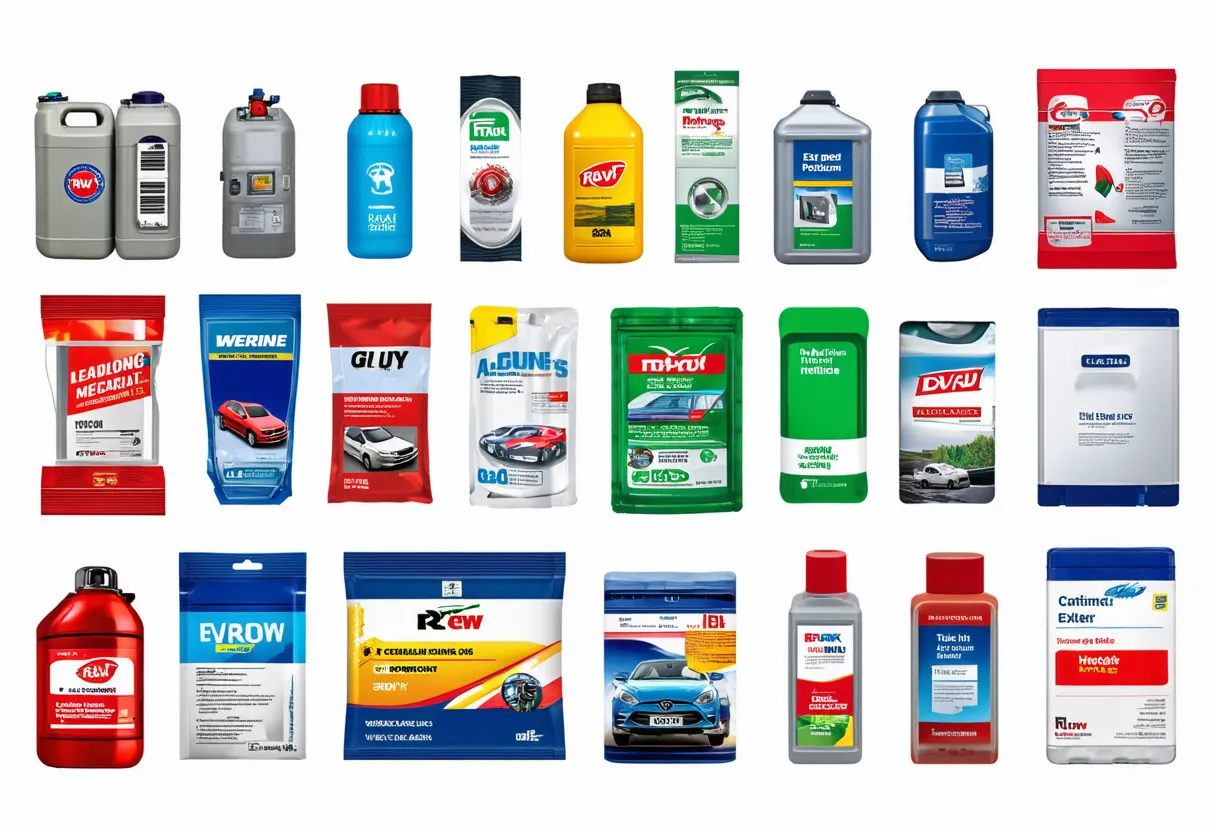
Latvia’s import activities are substantial, equivalent to roughly 62% of GDP in 2023, reflecting its reliance on global trade as a small open economy (World Bank).
Latvia’s main import partners are Lithuania (22%), Estonia (10%), Germany (9%), Poland (9%), and Russia (6%). The country imports natural gas, refined petroleum, electricity, cars, and packaged medicine.
Exports Activities of Latvia
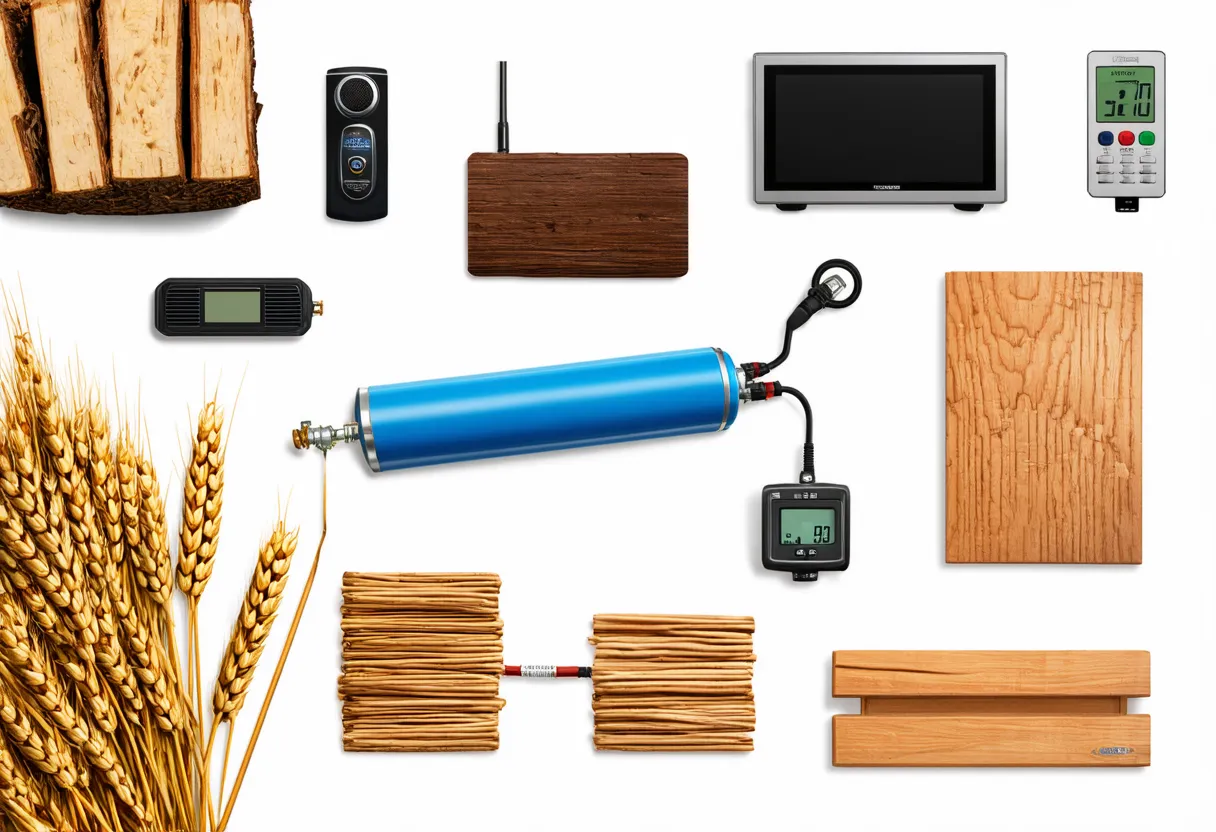
Latvia’s export activities are of high importance, equivalent to roughly 61% of GDP in 2023. Exports of goods reached on the order of $20 billion, signifying a strong reliance on international trade for economic growth and stability (World Bank).
Latvia primarily exports wood, wheat, natural gas, electricity, and broadcasting equipment. Its key export partners are Lithuania (18%), Estonia (10%), Germany (6%), Russia (6%), and Sweden (5%).
Latvia economy challenges in 2024
In 2024, Latvia faces challenges from skilled labor shortages, limited capital market access, a significant informal sector, and the need to transition towards green and digital technologies. Despite being a high-income EU and eurozone member, the country experienced economic contraction due to export decline and energy shocks. However, recovery is underway, driven by easing inflation, wage growth, and investments supported by EU funds.
Sources
- World Bank: Latvia
- CIA World Factbook: Latvia
- IMF: Latvia
- UN Comtrade Plus: Trade Flow
- Latvian Ministry of Defence: Defence Budget
Last updated: August 2026

Leave a Reply