
Key Economic Insights: The economy of Guyana generates an estimated GDP of $24.84 billion ($29,900 per capita) supporting a population of 831,000. Productive output is anchored by Tracked by World Bank services, Tracked by World Bank industry and manufacturing, and Tracked by World Bank agriculture and natural resource extraction. Key merchandise exports include crude petroleum, gold, rice, aluminum ore, and liquor, directed primarily toward Global and regional trade partners.
As of 2024, Guyana’s GDP stands at approximately $24.84 billion, having more than tripled since 2020 on the back of rapid offshore oil production (GDP grew an estimated 43.4% in 2024 alone). GDP per capita reached roughly $29,900 in 2024, among the highest in the Americas, according to World Bank data.
Despite its rank, Guyana’s economy is showing promising growth potential, with investments in sectors like oil and agriculture driving its economic development.
Guyana Economic Structure & Sector Analysis
| Economic Dimension | Official Indicator (2024–2026) | Authoritative Source |
|---|---|---|
| GDP & Macro Output | Nominal GDP: $24.84 billion | Per Capita: $29,900 | World Bank WDI / IMF |
| Sector Breakdown | Services: Tracked by World Bank | Industry: Tracked by World Bank | Agriculture: Tracked by World Bank | World Bank National Accounts |
| Trade & Commodities | Top Exports: crude petroleum, gold, rice, aluminum ore, and liquor (Total: $202 million) | UN Comtrade / OEC |
| Demographics & Labor | Population: 831,000 | Distributed workforce across formal & primary sectors | ILO / UN Population Division |
| Strategic Trade Corridors | Leading Trade Partners: Global and regional trade partners | World Bank WITS / IMF DOTS |
- Primary activities (agriculture): roughly 6% of GDP.
- Secondary activities (industry, dominated by oil & gas mining): roughly 60% of GDP.
- Tertiary activities (services): roughly 34% of GDP.
Note: since major offshore oil production began in 2019, industry (mining and quarrying) has become the dominant sector, overtaking the services-led structure that prevailed before the oil boom.

Primary Sector of Guyana
With 5.3% of the country’s land dedicated to agriculture, Guyana produces a diverse range of products including sugarcane, rice, plantains, papayas, cassava, pumpkins/squash, chicken, milk, eggplants, and ginger.
Despite contributing 15.4% to the GDP, agriculture plays a crucial role in the economy. The variety of crops and animal products not only sustains the agricultural sector but also provides food security and employment opportunities, highlighting its significance in Guyana’s economic landscape.
With a diverse geological landscape, the primary sector thrives in Guyana. Abundant in bauxite, gold, diamonds, hardwood timber, shrimp, and fish, these natural resources drive the economy, supporting industries like mining, forestry, and fishing, contributing significantly to the country’s GDP.Guyana’s offshore oil production has scaled rapidly, reaching roughly 600,000 barrels per day by 2024 (up from around 110,000 in earlier years), and the country holds an estimated 11 billion barrels of recoverable reserves in the Stabroek Block, making it one of the fastest-growing oil producers in the world.Secondary Sector of Guyana
In Guyana, key industrial products include bauxite, sugar, rice milling, timber, textiles, and gold. These goods are manufactured for both domestic consumption and export, contributing significantly to the country’s economy.Manufactures in Guyana’s total exports in 2023 accounted for only 0.69355961%, indicating their minimal economic significance in the country’s export profile.Tertiary sector of Guyana

Military Activities and Economic Sectors of Guyana
In the primary sector, resources are extracted for military use. The secondary sector involves the manufacturing of military equipment. The military also provides services, which is part of the tertiary sector. Research and development fall under the quaternary sector, while high-level decision-making is in the quinary sector. All these activities support the military and the economy.
In Guyana, military expenditure for 2024 was approximately $202 million, roughly 0.8% of the country’s GDP and the largest annual increase of any nation that year amid tensions with Venezuela over the Essequibo region. The active military force has around 3,400 personnel.
International Trade of Guyana
Import Activities of Guyana
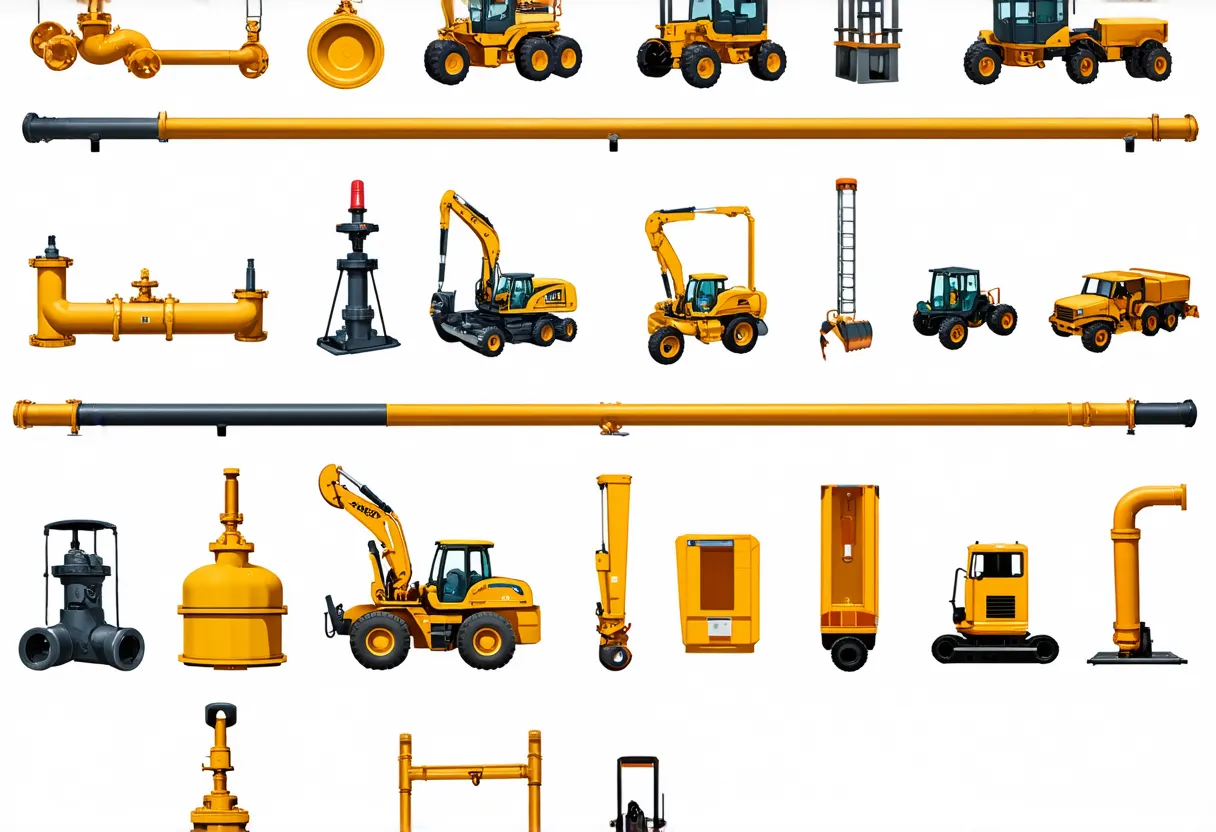 Guyana’s import activities are of high importance, with total imports in 2024 reaching approximately $7.1 billion, equivalent to about 29% of its GDP.Guyana’s key import activities include refined petroleum, valves, iron pipes, construction vehicles, and cars. The country’s top import partners are the US, China, Brazil, Trinidad and Tobago, and Suriname.
Exports Activities of Guyana
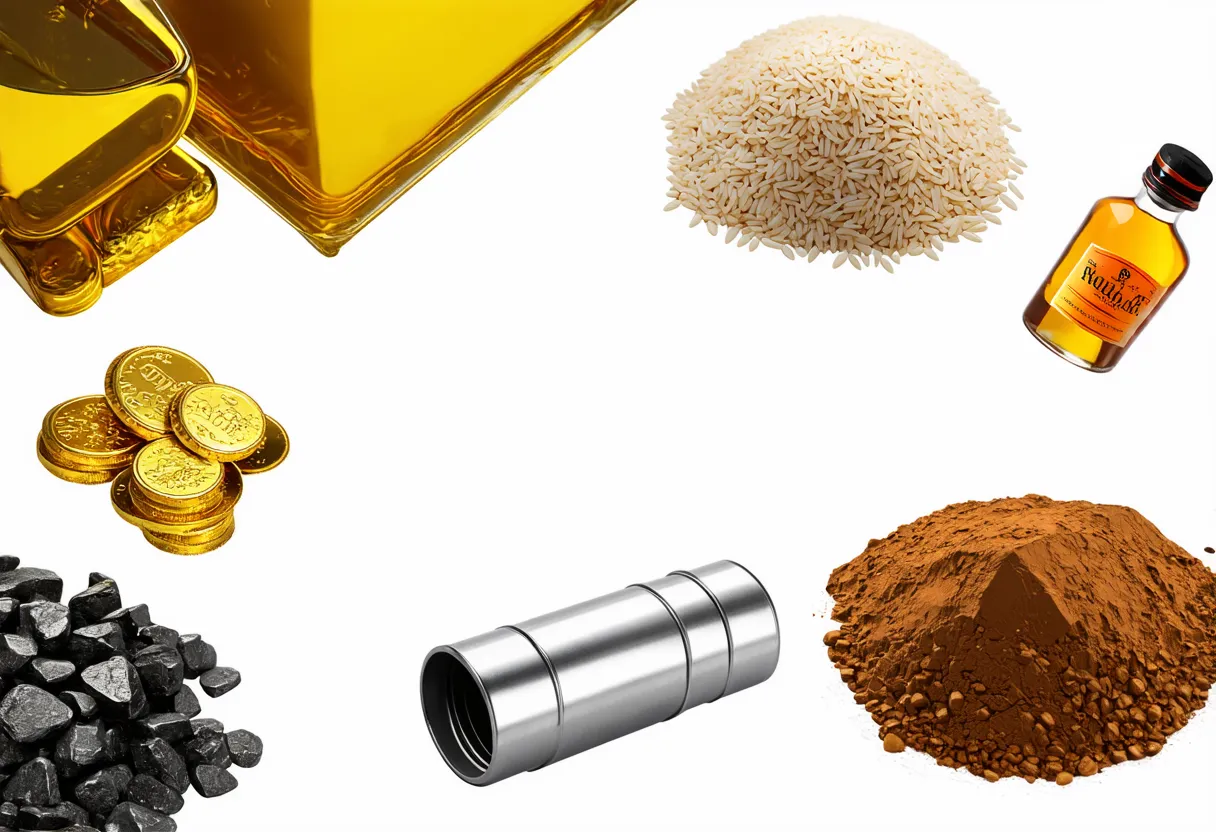 Export activities in Guyana play a crucial role, accounting for roughly 80% of GDP. Total exports reached approximately $19.8 billion in 2024, with crude petroleum alone (~$17.9 billion) making up about 90% of the total, underscoring oil’s dominance in the country’s economy.Guyana primarily exports crude petroleum, gold, rice, aluminum ore, and liquor. As of 2024, its top export destinations were the Netherlands (~15.5%), the United States (~15%), the United Kingdom (~14.1%), and Panama (~11.3%); several of these (notably Panama and the Netherlands) act largely as transshipment hubs for crude oil.
Guyana economy challenges in 2024
Guyana faces economic growth challenges due to fluctuating hydrocarbon prices. The country aims to diversify its economy beyond exports and address environmental concerns while managing its rich natural resources sustainably. Strengthening financial sector and promoting sustainable development are key priorities in 2024.Sources
- World Bank: Guyana
- IMF: Guyana
- CIA World Factbook: Guyana
- Bureau of Statistics Guyana: External Trade
- UN Comtrade Plus: Trade Flow
Last updated: August 2026

Leave a Reply