
The economic activities in Senegal center on services at about 49% of GDP, industry at 25.5%, and agriculture at 15.5%, with groundnuts, rice, and fishing key. What are the main economic activities in Senegal? Services, phosphate mining, and new offshore oil and gas lead. As of 2024, GDP was about $32.3 billion. Energy is reshaping growth.
As of 2024, Senegal’s economy has a GDP of about $32.3 billion (current US$), according to the World Bank. Its GDP per capita is approximately $1,773.
Despite facing challenges, Senegal’s economy shows potential for growth and development in the coming years, supported by new offshore oil and gas production that began in 2024.
What are the economic activities of Senegal?
- Primary activities (agriculture, forestry, fishing): about 15.5% of GDP (2024).
- Secondary activities (industry, incl. construction): about 25.5% of GDP (2024).
- Tertiary activities (services): about 49% of GDP (2024).

Primary Sector of Senegal
With 49.4% of the land dedicated to agriculture, the country produces a variety of crops like groundnuts, watermelons, rice, cassava, and more. Despite contributing about 15.5% to GDP (2024), agriculture remains vital to the economy.
The diverse range of agricultural products, including maize, sorghum, and milk, highlights the sector’s significance and sustains livelihoods across the country.
The country’s geological diversity, ranging from coastal regions to mineral-rich areas, influences resource availability. The primary sector thrives on abundant fish stocks, phosphates for agriculture, and iron ore for export, driving economic growth and employment opportunities.Senegal’s gas production contributes significantly to its economic activity, with 62 million m³ produced in 2020, ranking 86th globally.Secondary Sector of Senegal
What is the secondary sector or what are secondary activities?In Senegal, main industrial products include agricultural and fish processing, phosphate and fertilizer production, petroleum refining, zircon and gold mining, construction materials, and ship construction and repair.Manufactures in Senegal’s total exports accounted for only 28.36% in 2023, indicating their relatively low significance in driving the country’s export economy.Tertiary sector of Senegal
Military Activities and Economic Sectors of Senegal
It involves the primary sector, like resource extraction for military use, and the secondary sector, which includes the manufacturing of military equipment. The military also provides services, representing the tertiary sector. Research and development are part of the quaternary sector, while high-level decision-making falls under the quinary sector.
As of 2024, Senegal’s military budget is about $525 million. The active military force consists of roughly 13,600 personnel, resulting in fewer than 1 active military member for every 1,000 people in the country.
International Trade of Senegal
Import Activities of Senegal
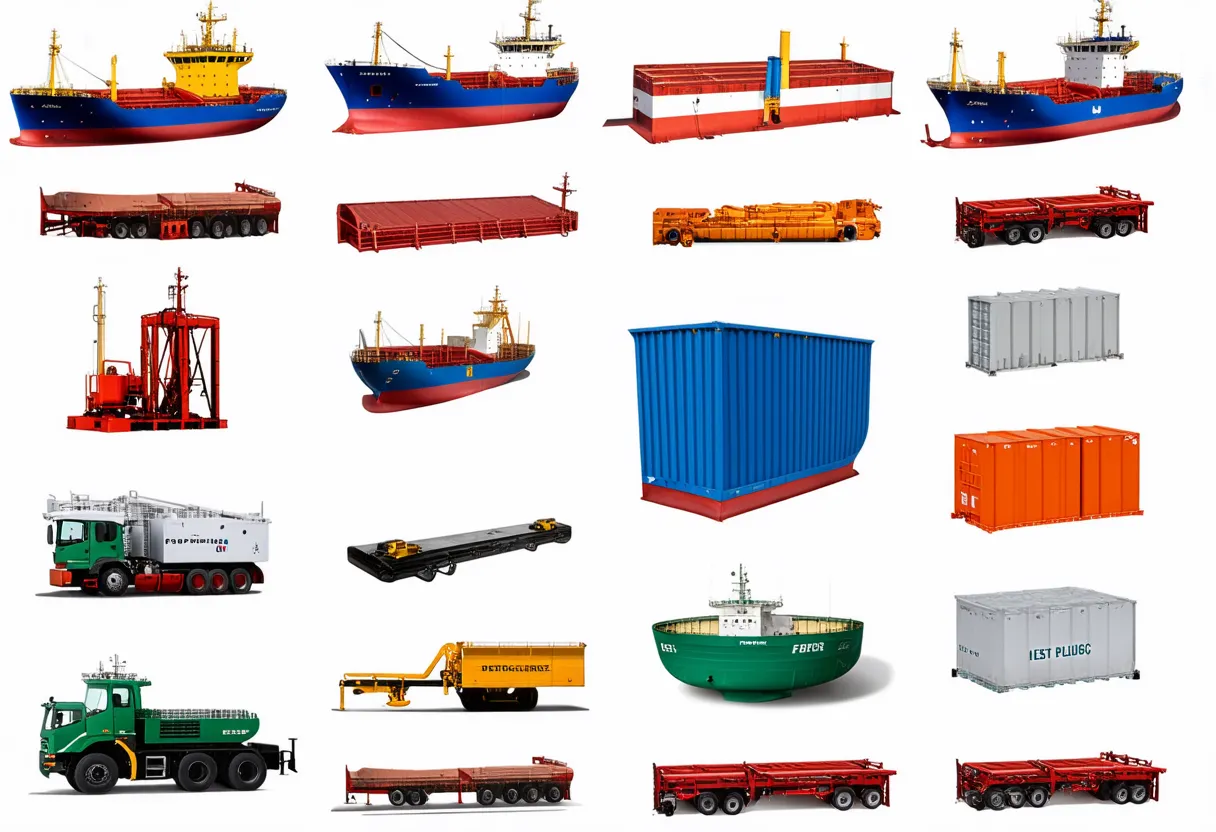 Senegal’s import activities are of high importance, with total merchandise imports in 2024 amounting to roughly $11.4 billion, equivalent to about 35% of its GDP.Senegal’s main import partners are China, India, France, Belgium, and the Netherlands. The country imports refined petroleum, ships, rice, crude petroleum, and plastic products to meet its domestic needs and support various industries.
Exports Activities of Senegal
 Senegal’s total merchandise exports in 2024 amounted to roughly $6.8 billion, accounting for about 21% of its GDP. This highlights the significant role export activities play in the country’s economy.Senegal’s export activities are diverse, with key partners being Mali, China, India, Switzerland, and Spain. Major export commodities include gold, phosphoric acid, refined petroleum, fish, and precious metal products.
Senegal economy challenges in 2024
Senegal, a lower middle-income country in West Africa, faces challenges in 2024. The economy relies on services, mining, construction, agriculture, and fishing, and has begun producing offshore oil and gas, which started in 2024. A large informal economy and governance challenges continue to weigh on inclusive growth.Sources
Last updated: June 19, 2026


Leave a Reply