
Key Economic Insights: The economy of Malawi generates an estimated GDP of $11.01 billion ($552 per capita) supporting a population of 20,405,317. Productive output is anchored by 47.5% services, 15.3% industry and manufacturing, and 30.4% agriculture and natural resource extraction. Key merchandise exports include tobacco, gold, tea, ground nuts, and dried legumes, directed primarily toward Global and regional trade partners.
Malawi, with a population of 20,405,317, is ranked 59th in the world, just behind the Syrian Arab Republic. Located in southeastern Africa, Malawi covers a total area of 118,480 square kilometers, ranking 95th globally, just below Nicaragua.
As of 2024, Malawi’s economy shows a GDP of approximately $11.01 billion, ranking among the smaller economies globally. In terms of GDP per capita, Malawi remains one of the world’s lowest at approximately $552 (As of 2024). World Bank
Malawi’s economy is striving to improve its position and enhance economic growth to compete more effectively on the global stage.
Malawi Economic Structure & Sector Analysis
| Economic Dimension | Official Indicator (2024–2026) | Authoritative Source |
|---|---|---|
| GDP & Macro Output | Nominal GDP: $11.01 billion | Per Capita: $552 | World Bank WDI / IMF |
| Sector Breakdown | Services: 47.5% | Industry: 15.3% | Agriculture: 30.4% | World Bank National Accounts |
| Trade & Commodities | Top Exports: tobacco, gold, tea, ground nuts, and dried legumes (Total: $3.14 billion) | UN Comtrade / OEC |
| Demographics & Labor | Population: 20,405,317 | Distributed workforce across formal & primary sectors | ILO / UN Population Division |
| Strategic Trade Corridors | Leading Trade Partners: Global and regional trade partners | World Bank WITS / IMF DOTS |
- Primary activities: 30.4% of GDP (As of 2023).
- Secondary activities: 15.3% of GDP (As of 2023).
- Tertiary activities: 47.5% of GDP (As of 2023).
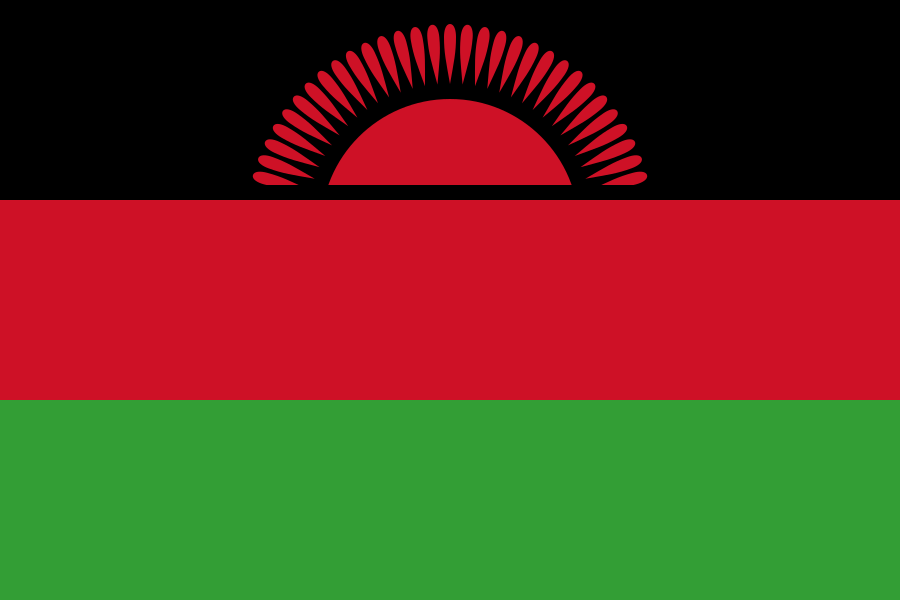
Primary Sector of Malawi
With 64.17% of the country’s land dedicated to agriculture, Malawi produces a diverse range of crops such as sweet potatoes, cassava, maize, sugarcane, mangoes, guavas, potatoes, tomatoes, pigeon peas, bananas, and pumpkins.
Although agriculture contributes around 30% to the GDP (As of 2023), it plays a crucial role in providing livelihoods and food security. The variety of crops and animal products highlights the sector’s importance in sustaining the country’s economy and ensuring food self-sufficiency.
The country’s diverse geology provides abundant natural resources. These include limestone for construction, vast arable land for agriculture, hydropower for energy, and unexploited deposits of uranium, coal, and bauxite. These resources play a crucial role in the economy, supporting industries, generating revenue, and fostering economic growth.
Secondary Sector of Malawi
In Malawi, industrial products include tobacco, tea, sugar, sawmill products, cement, and consumer goods. These products are manufactured for domestic consumption and export, contributing significantly to the country’s economy and employment.
Manufactures in Malawi’s total exports accounted for only 8.47% in 2023, indicating their limited significance in driving the country’s export economy.
Tertiary sector of Malawi
The tertiary sector in Malawi encompasses services where individuals provide knowledge and time to enhance productivity and meet needs. This sector involves intangible goods like advice, attention, and expertise, catering to both consumer and business needs. Key tertiary activities in Malawi include healthcare, education, banking, communication, tourism, transportation, and security services.
Specifically, Tourism plays a vital role in Malawi’s economy. With annual tourist arrivals of 837,000 (2019) in a country of 19 million, popular destinations like Lake Malawi and Liwonde National Park contribute significantly to GDP and employment. Sustainable tourism development is crucial for Malawi’s growth.
Another example of tertiary economic activity is the mobile cellular sector, which boasts over 12 million subscriptions, supporting technological growth by enhancing communication, fostering innovation, and driving digital services.
Military Activities and Economic Sectors of Malawi
In the primary sector, resources are extracted for military use, like minerals for weapons. The secondary sector focuses on making military equipment, such as vehicles and gear. The tertiary sector includes services provided by the military, while the quaternary sector involves research and development for new technologies. Finally, the quinary sector deals with high-level military decisions and strategies.
In Malawi, military expenditure was approximately 135.3 million US dollars (As of 2023), around 0.6% of the country’s GDP. The active military force has 10,700 personnel, resulting in 0.8 active military members for every 1,000 people in the country.
Biggest company in Malawi
Which is the biggest company in Malawi? One of the largest companies by revenue is Illovo Sugar (Malawi) Plc, which reported turnover of around K313.7 billion for the financial year ended 31 August 2024 (As of 2024). It operates in sugar production and manufacturing, part of the secondary sector. The Malawi Stock Exchange’s largest listed firms by market capitalisation also include FMB Capital Holdings, Airtel Malawi, and FDH Bank. Malawi Stock Exchange
International Trade of Malawi
Import Activities of Malawi
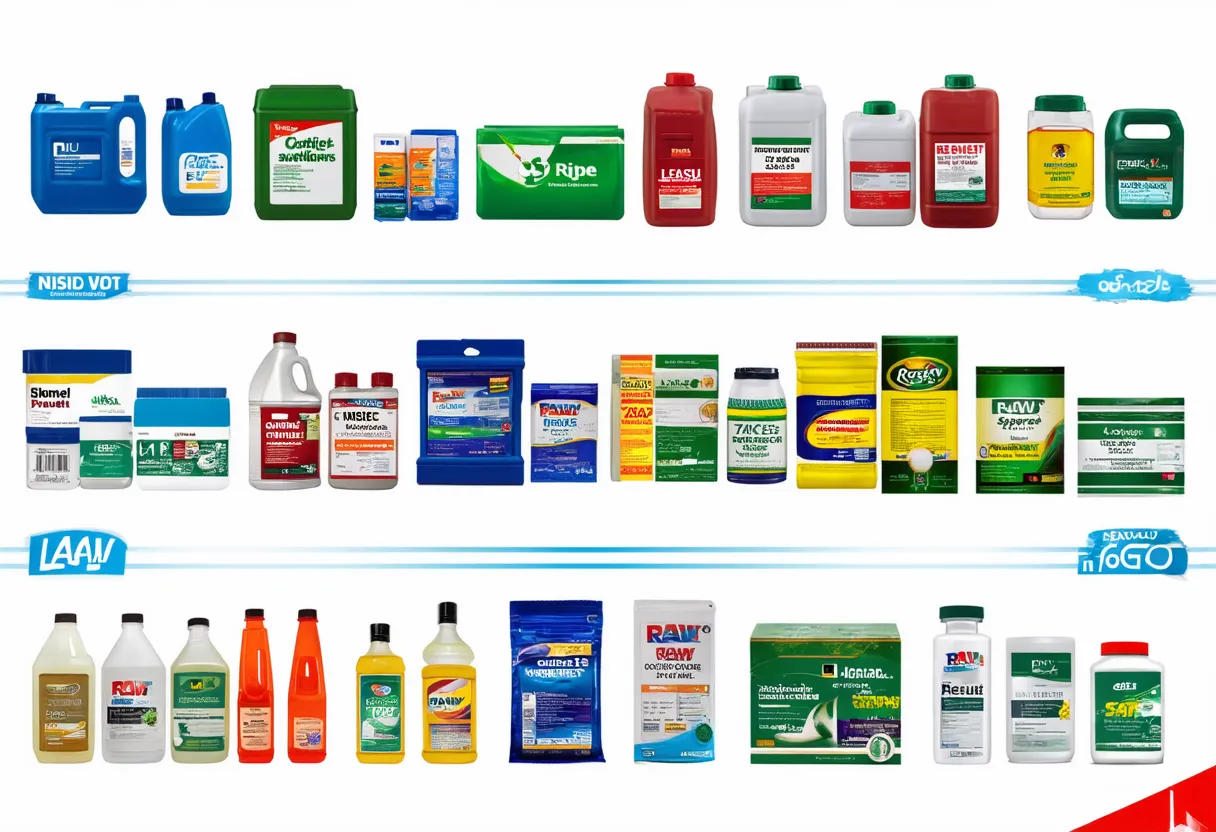
Malawi’s import activities are crucial, accounting for around 23.9% of GDP, totaling approximately $3.14 billion (As of 2023).
Malawi’s import activities are diversified, with key partners including South Africa, China, UAE, India, and Kuwait. Major imported commodities include refined petroleum, fertilizers, crude petroleum, packaged medicine, and plastic products.
Exports Activities of Malawi

Malawi’s total merchandise exports amounted to approximately $965 million (As of 2023). With exports contributing around 7.3% of the GDP, it indicates a low importance level for the country’s economy.
Malawi’s export activities are diverse, with key partners like the UAE, Belgium, Tanzania, Kenya, and South Africa. The country primarily exports tobacco, gold, tea, ground nuts, and dried legumes.
Malawi economy challenges in 2024
In 2024, Malawi faces challenges with urban poverty due to COVID-19, high public debt, corruption, and weak property rights. The country’s hydroelectric grid and pharmaceutical industry are struggling, hindering economic growth.
Sources
- World Bank Data: Malawi
- IMF: Malawi
- CIA World Factbook: Malawi
- UN Comtrade Plus: Trade Flow
- Trading Economics: Malawi
Last updated: August 2026


Leave a Reply