
Key Economic Insights: The economy of Cameroon generates an estimated GDP of $51.3 billion ($1,830 per capita) supporting a population of 29,123,744. Productive output is anchored by 50.2% services, 25.5% industry and manufacturing, and 17.3% agriculture and natural resource extraction. Key merchandise exports include Manufactured goods, mineral resources, and agricultural commodities, directed primarily toward Global and regional trade partners.
Country Cameroon has a population of approximately 29,123,744 (2024), ranking 52nd globally. Located in Central Africa, it covers 475,440 sq. km, ranking 54th in size.
Cameroon’s economic position in 2024 showcases a GDP of approximately $51.3 billion, according to World Bank data. In terms of GDP per capita, Cameroon stands at approximately $1,830 (2024). Despite facing challenges, Cameroon’s economy continues to grow steadily, with a focus on diversification and sustainable development to further improve its economic standing on the global stage.
Cameroon Economic Structure & Sector Analysis
| Economic Dimension | Official Indicator (2024–2026) | Authoritative Source |
|---|---|---|
| GDP & Macro Output | Nominal GDP: $51.3 billion | Per Capita: $1,830 | World Bank WDI / IMF |
| Sector Breakdown | Services: 50.2% | Industry: 25.5% | Agriculture: 17.3% | World Bank National Accounts |
| Trade & Commodities | Top Exports: Manufactured goods, mineral resources, and agricultural commodities (Total: $456.1 million) | UN Comtrade / OEC |
| Demographics & Labor | Population: 29,123,744 | Distributed workforce across formal & primary sectors | ILO / UN Population Division |
| Strategic Trade Corridors | Leading Trade Partners: Global and regional trade partners | World Bank WITS / IMF DOTS |
- Primary activities: approximately 17.3% of GDP (2023, World Bank).
- Secondary activities: approximately 25.5% of GDP (2023).
- Tertiary activities: approximately 50.2% of GDP (2023).

Primary Sector of Cameroon
The primary sector in Cameroon, with 20.63% of the land dedicated to agriculture, thrives due to its diverse climate and abundant natural resources. The main agricultural products include cassava, plantains, oil palm fruit, maize, taro, tomatoes, sorghum, sugarcane, bananas, and vegetables.
Despite agriculture contributing approximately 17.3% to the GDP (2023), its significance lies in the variety of crops and animal products produced, sustaining livelihoods and ensuring food security.
With a diverse geological landscape, the primary sector thrives on abundant natural resources like petroleum, bauxite, iron ore, timber, and hydropower. These resources play a crucial role in driving the economy through various industries, contributing significantly to the country’s development and growth.
Cameroon’s oil production of around 61,848 barrels per day (2024) ranks it among modest regional producers. With reserves of approximately 200 million barrels, it holds a small share of the world’s oil reserves, fueling economic activity.
Cameroon’s gas production of 680 million m³ (2020) ranks it 70th in the world, fueling economic activity.
Secondary Sector of Cameroon
In Cameroon, the main industrial products include petroleum production and refining, aluminum production, food processing, light consumer goods, textiles, lumber, and ship repair.
Manufactures in Cameroon’s total exports are not significantly important, constituting only a small percentage in 2023. The country’s economy may rely more on other sectors for export revenue.
Tertiary sector of Cameroon
The tertiary sector in Cameroon encompasses a wide range of services that contribute to the economy through knowledge and time. Key activities include healthcare, education, banking, communication, tourism, transportation, and security. These services provide intangible goods like expertise and advice, enhancing productivity and meeting various needs in both consumer and business sectors.
Of particular importance, Cameroon’s tourism industry contributes minimally to its economy, with only 1,021,000 annual arrivals and a meager 0.0366 arrivals per capita ratio. This modest influx of tourists suggests that the sector plays a peripheral role in driving economic growth and generating revenue, signaling the need for diversification and investment in other industries.
Another example of tertiary economic activity is the mobile cellular sector, which boasts over 23 million subscriptions, supporting technological growth by enhancing communication, fostering innovation, and driving digital services expansion.
Military Activities and Economic Sectors of Cameroon
In Cameroon, the primary sector helps by providing resources needed for military use. The secondary sector focuses on making military equipment. The tertiary sector offers services, while the quaternary sector is about research and development.
In 2023, Cameroon spent approximately $456.1 million on its military, representing about 0.93% of its GDP (World Bank). The country has an active military force of 25,400 personnel. This means there are approximately 1.3 active military members for every 1,000 people in the country.
International Trade of Cameroon
Import Activities of Cameroon
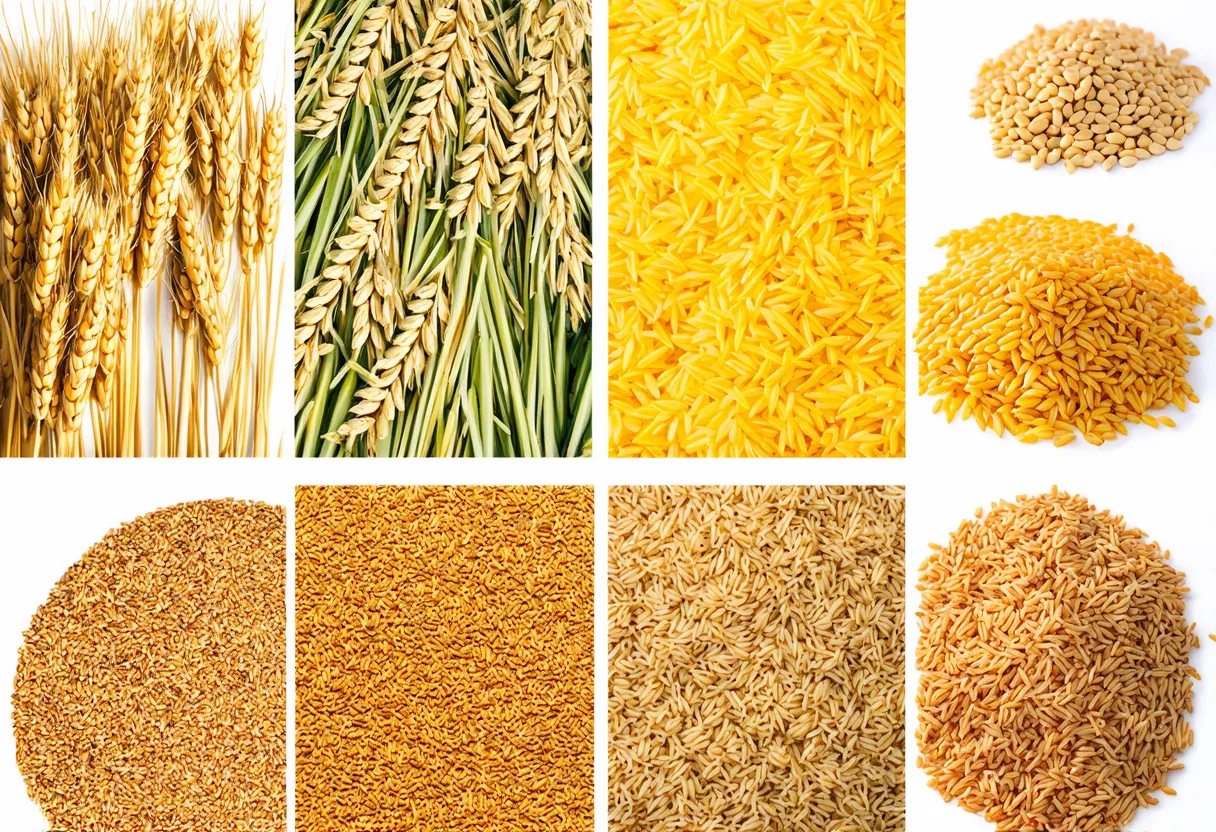
Cameroon’s import activities are of high importance, accounting for approximately 20.6% of GDP in 2023, totaling approximately $8.3 billion (World Bank WITS).
Cameroon’s primary import partners are China (19%), India (11.6%), France (7.6%), the U.S. (4.8%), and Belgium (4.4%). The country mainly imports refined petroleum, wheat, garments, rice, and plastic products to meet its domestic needs and support its economy.
Exports Activities of Cameroon
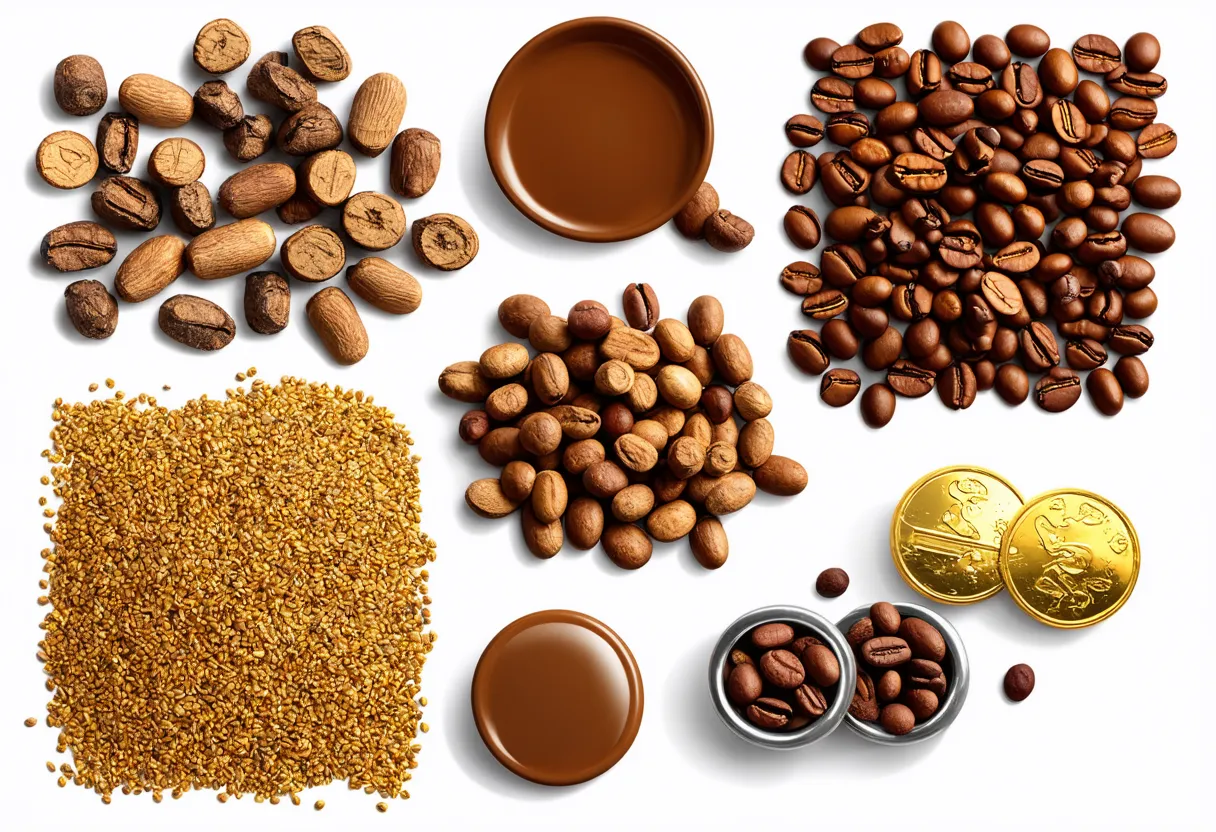
Export activities in Cameroon play a medium importance role, accounting for approximately 16.6% of GDP in 2023, totaling approximately $5.0 billion (World Bank WITS). This signifies a meaningful contribution to the economy, promoting growth and stability.
Cameroon’s export activities are diverse, with key partners including the Netherlands (23.2%), France (12.3%), India (9.6%), Spain, and China. The country mainly exports crude petroleum, natural gas, wood, cocoa beans, and gold.
Cameroon economy challenges in 2024
In 2024, Cameroon faces economic challenges due to political instability, terrorism, corruption, and poor property rights enforcement. The northern regions are experiencing rising poverty despite being the largest CEMAC economy with abundant natural resources.
Sources
- World Bank: Cameroon Country Data
- IMF DataMapper: Cameroon
- World Bank WITS: Cameroon Trade Snapshot
- CIA World Factbook: Cameroon
- UN Comtrade Plus: Trade Flow
Last updated: August 2026



Leave a Reply