
What type of economic system does Kuwait have? Kuwait's economic system is a mixed economy pairing private enterprise with a state-run public sector. It depends heavily on oil, with petroleum over 90% of export earnings, plus finance and real estate. Ranked 90th on the 2026 Index of Economic Freedom and mostly unfree, it scores 30/100 on Freedom House, Not Free.

What is the economic system of Kuwait? The economy of Kuwait is based on a mixed economy. The country’s economic system combines elements of a market economy and a planned economy.
Kuwait’s economy is heavily reliant on oil exports, with petroleum accounting for over 90% of its export earnings. Other industries of the country include finance, real estate, and construction.
No country is purely capitalist or purely communist.
What do the freedom indexes tell about the economic system of Kuwait?
For instance, according to the 2026 Index of Economic Freedom, which measures the ability of every human to control his own labor and property, Kuwait is ranked 90th globally, indicating that the country has a mostly unfree economy.
In a similar way, the Freedom House Freedom in the World 2026 index evaluates the state of political rights and civil liberties globally. Kuwait gets a score of 30/100, which qualifies it as Not Free. Kuwait is considered to have significant restrictions on political rights and civil liberties under the rule of the Sabah family monarchy.
The Link Between Public Sector Employment and the Economic System of Kuwait
An indicator of the extent to which the State is involved in the economy is the number of public sector employees. In Kuwait, according to ILOSTAT, the number of public sector employees as a percentage of the total workforce is 18.6% (2016). Note: this figure reflects the share of all workers including Kuwait’s large expatriate workforce; among Kuwaiti nationals specifically, public sector employment is considerably higher.
In the country’s mixed economy, the number of public sector employees as a percentage of the total workforce varies based on the specific policies and practices adopted by the State. Some economic activities are left to the private sector while others are under government control. The bigger the public sector the closer is the economy to being a command economy.
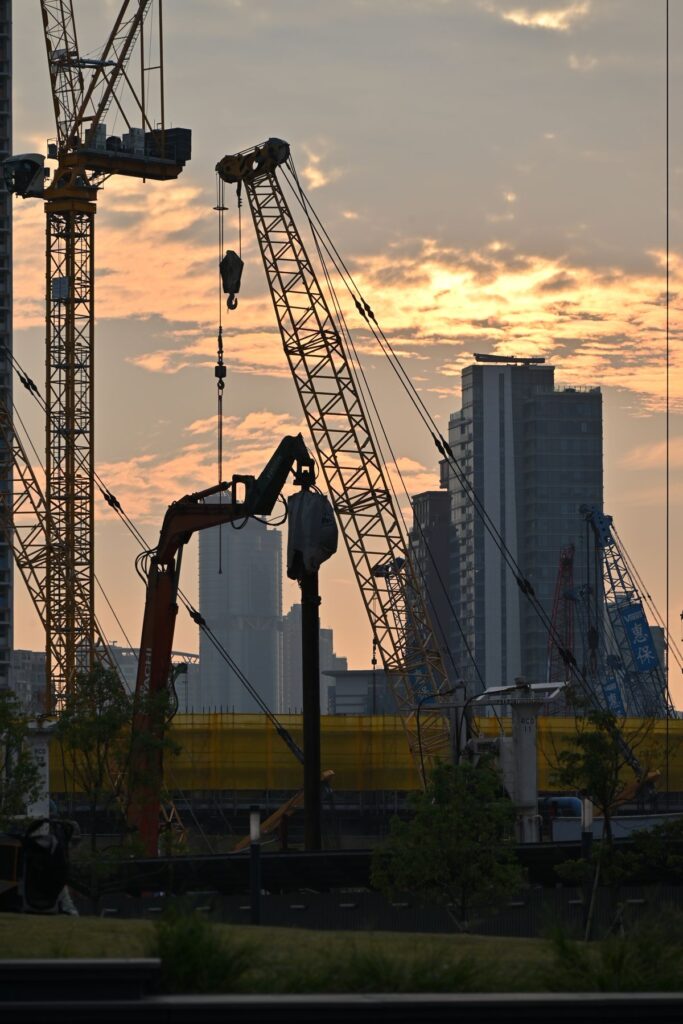
What do the biggest companies in Kuwait say about the country’s economic system?
The biggest company in Kuwait should also be looked at, as well as whether it is a state-owned or private company. In this case, Kuwait Petroleum Corporation (KPC) is the state-owned national oil company and the largest company in Kuwait by revenue, generating approximately KD 35 billion (As of fiscal year 2024/25) across its upstream, refining, and marketing operations. The largest privately listed financial institution is the National Bank of Kuwait (NBK), founded in 1934, which reported total revenue of approximately USD 4.1 billion (As of 2024). The dominance of a state-owned energy company as the largest enterprise underlines Kuwait’s heavily government-directed economy.
Kuwait’s private sector industries include oil and gas services, finance, real estate, and retail. While public industries include healthcare, education, and the upstream petroleum sector.
The historical factors that have influenced the economic system of Kuwait
The current mixed economy system of Kuwait is the result of the country’s rapid economic growth, fueled by its oil reserves. This growth has allowed the government to invest in infrastructure, education, and healthcare, while also providing subsidies and other incentives to businesses.
This has resulted in a more diversified economy, with a greater emphasis on private sector activity and foreign investment.
Sources
- List of countries by the public sector size
- ILOSTAT Employment Statistics
- 2026 Index of Economic Freedom — Kuwait
- Freedom in the World 2026 — Kuwait
- Kuwait Petroleum Corporation
- National Bank of Kuwait
Last updated: August 2026

Leave a Reply