Capitalism is an economic system built on private ownership, market prices and the profit motive. Socialism calls for collective or state ownership of the major means of production, with output and distribution guided by society or the government. The two differ most on who owns resources and who makes economic decisions. Most countries today blend both.
What is capitalism?
Capitalism is an economic system in which the means of production are privately owned, prices are set by the market, and businesses compete to earn profit (Encyclopaedia Britannica). Its intellectual roots trace to Adam Smith’s The Wealth of Nations (1776). Individuals decide what to make, buy and sell, and the market coordinates the rest.
What is socialism?
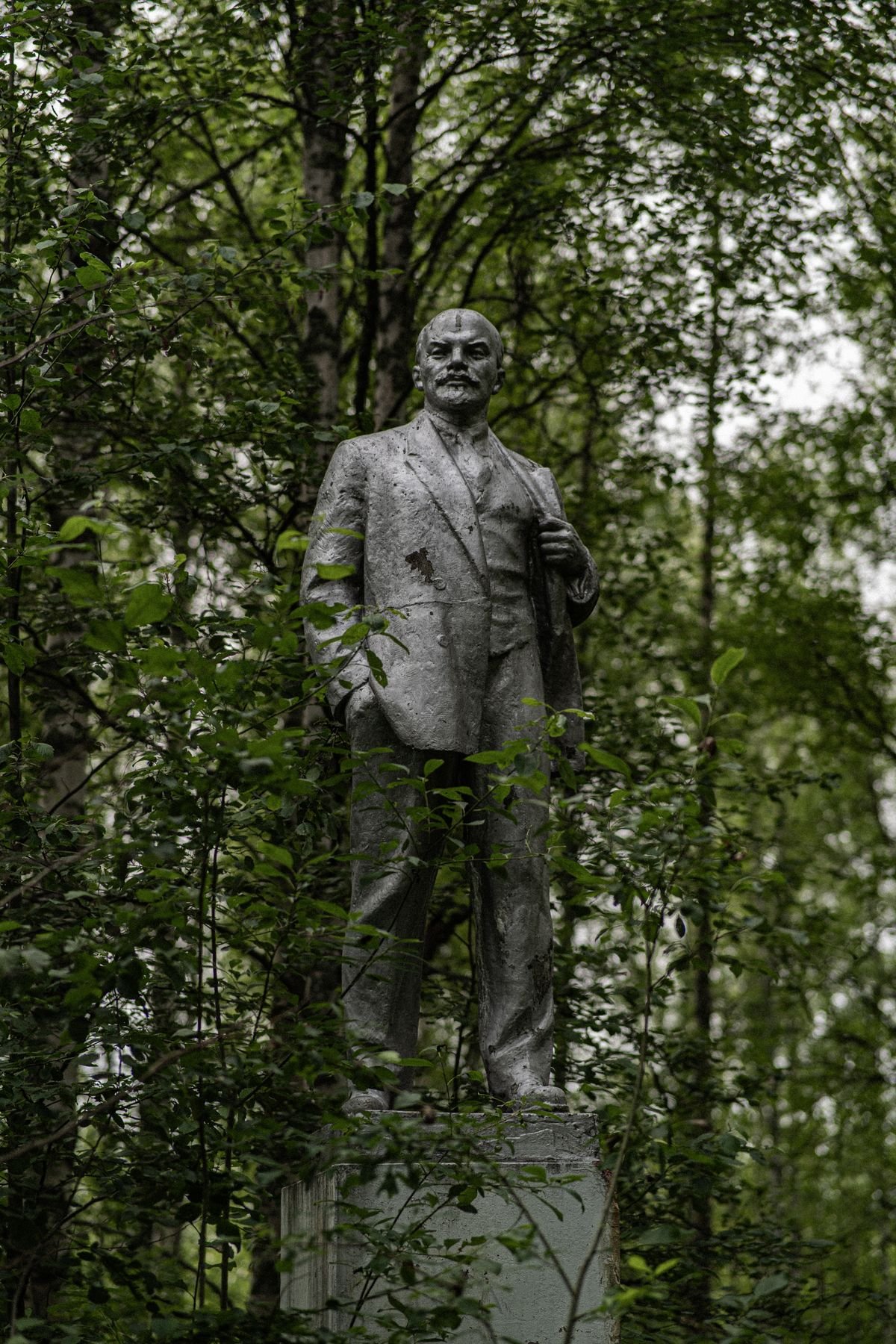
Socialism is a doctrine calling for social or public — rather than private — ownership of the major means of production (Encyclopaedia Britannica). Wages, prices and the distribution of goods are subject to collective planning or regulation, with the stated goal of reducing inequality and meeting shared social needs.
Capitalism vs socialism: the key differences
The two systems answer the core questions of any economic system in opposite ways.
| Dimension | Capitalism | Socialism |
|---|---|---|
| Ownership | Private — individuals and businesses own resources | Collective or state ownership of key industries |
| Decisions | Decentralised; prices set by supply and demand | Centralised planning or heavy regulation |
| Main goal | Profit, efficiency, individual wealth | Equality, shared needs, reduced inequality |
| Role of government | Mainly protects property and markets | Directs or owns industry and redistributes |
| Examples | Singapore, Switzerland, United States | Historical USSR, Cuba; Nordic social democracies (hybrid) |
Real-world examples
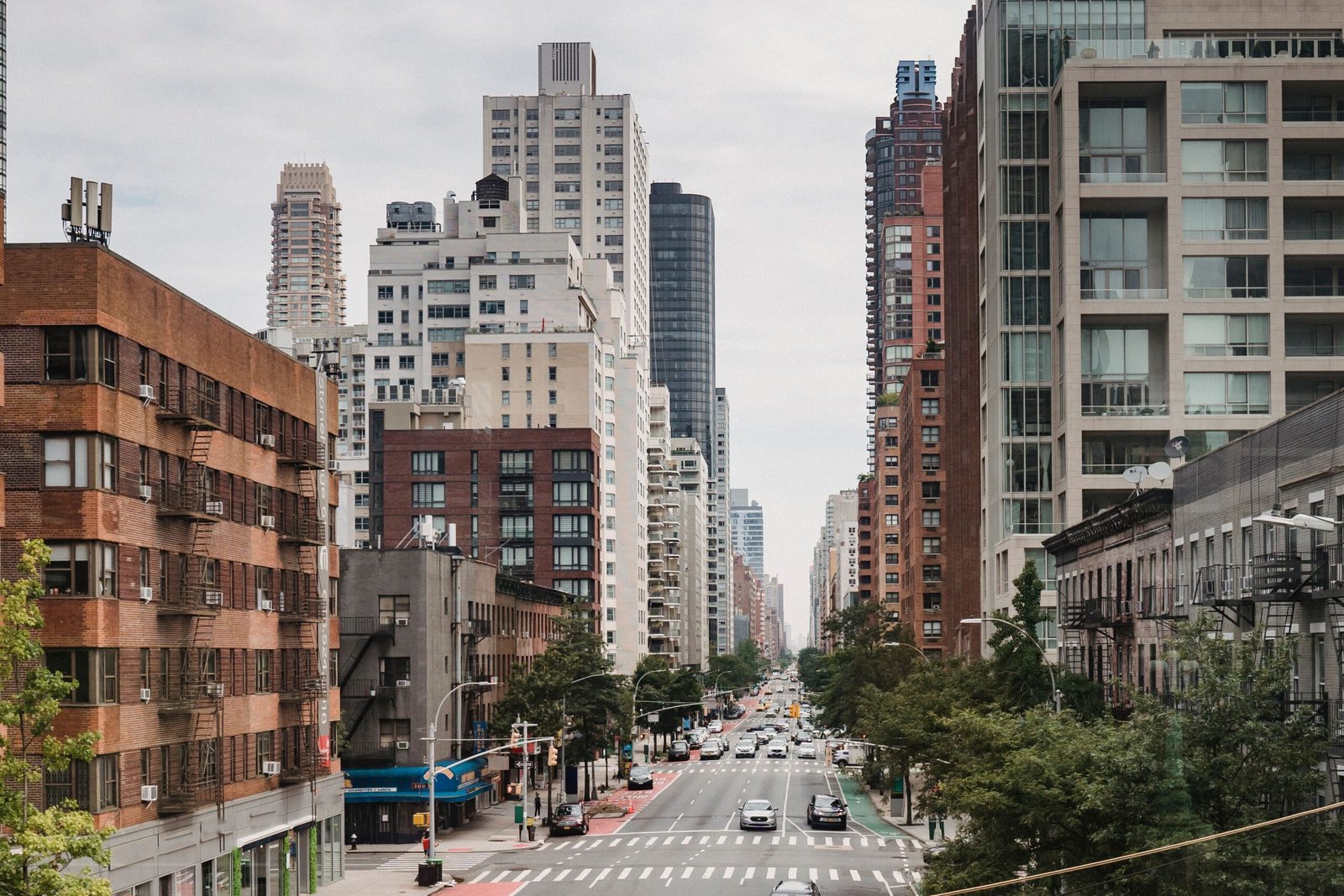
The most market-driven economies score highest on economic freedom: Singapore led the 2025 Index of Economic Freedom at 84.0 out of 100, while the global average was just 59.7, or “mostly unfree” (Heritage Foundation, 2025). Historically socialist command economies such as the Soviet Union and Cuba sit at the other end.
Does the ownership model affect prosperity? The freest quarter of economies averaged GDP per capita of $52,877, against $6,968 for the least-free quarter (Fraser Institute, 2024) — roughly an eight-fold gap. Yet the picture is not black and white: even market economies keep a large public sector, with OECD governments spending around 40.9% of GDP on average in 2019 (OECD).
Key takeaways
- Capitalism = private ownership + market prices + profit; socialism = collective/state ownership + planning.
- They differ most on who owns the means of production and who makes economic decisions.
- Freer, more capitalist economies are richer on average — $52,877 vs $6,968 per capita (Fraser, 2024).
- No large country is purely one or the other; almost all are mixed economies.
Is the United States capitalist or socialist?
The United States is best described as a capitalist mixed economy. Private markets drive most activity, but the government still regulates, taxes and funds large public programmes such as Social Security and Medicare. Pure, unregulated capitalism exists nowhere; every modern capitalist economy carries a substantial public sector.
Which countries are truly socialist?
Very few. North Korea and Cuba retain state-dominated, centrally planned economies. The Nordic countries — often called “socialist” in debate — are actually capitalist market economies with generous welfare states, not collective ownership of industry. The real-world spectrum runs from market-leaning to state-leaning, with most nations in between.
Sources
- Encyclopaedia Britannica, Capitalism — retrieved 2026-07-04 — britannica.com
- Encyclopaedia Britannica, Socialism — retrieved 2026-07-04 — britannica.com
- Heritage Foundation, 2025 Index of Economic Freedom — retrieved 2026-07-04 — heritage.org
- Fraser Institute, Economic Freedom of the World 2024 — retrieved 2026-07-04 — fraserinstitute.org
- OECD, General government spending — retrieved 2026-07-04 — oecd.org
Last updated: July 4, 2026



Leave a Reply