
Key Economic Insights: The economy of Syria generates an estimated GDP of $23.6 billion ($1,052 per capita) supporting a population of 24.7 million. Productive output is anchored by 60.8% services, 19.5% industry and manufacturing, and 20% agriculture and natural resource extraction. Its main export partners include Turkey (29%), Kuwait (15%), Lebanon (14%), Jordan (8%), and Egypt (7%).
Syrian Arab Republic, with an estimated population of about 24.7 million (24,672,760 in 2024, World Bank), is among the more populous Middle Eastern countries. Located in the Middle East, it covers 185,180 square kilometers, ranking 84th globally, just below Senegal.
As of 2022, the Syrian Arab Republic had a nominal GDP of about $23.6 billion (World Bank). After more than a decade of conflict the economy had contracted by over half since 2010, and the World Bank estimated GDP at roughly $21.4 billion in 2024. Nominal GDP per capita was approximately $1,052 in 2022 (World Bank), while the World Bank estimated gross national income per capita at just $830 in 2024 — below the threshold for low-income countries.
Despite facing challenges, such as political instability and conflict, Syria continues to strive for economic growth and stability in the region.
Syria Economic Structure & Sector Analysis
| Economic Dimension | Figure | Authoritative Source |
|---|---|---|
| GDP & Macro Output | Nominal GDP: $23.6 billion | Per Capita: $1,052 | World Bank WDI / IMF |
| Sector Breakdown | Services: 60.8% | Industry: 19.5% | Agriculture: 20% | World Bank National Accounts |
| Demographics & Labor | Population: 24.7 million | ILO / UN Population Division |
| Strategic Trade Corridors | Leading Trade Partners: Turkey (29%), Kuwait (15%), Lebanon (14%), Jordan (8%), and Egypt (7%) | World Bank WITS / IMF DOTS |
- Primary activities: 20% of GDP.
- Secondary activities: 19.5% of GDP.
- Tertiary activities: 60.8% of GDP.
Primary Sector of Syria
With 75.77% of the country’s land dedicated to agriculture, Syria produces a variety of crops and animal products such as wheat, milk, olives, sheep milk, tomatoes, potatoes, maize, watermelons, apples, and oranges.
Despite contributing 20% to the GDP, agriculture remains a vital sector in the economy. The top ten agricultural products based on tonnage showcase the importance of agriculture in Syria, highlighting the significant role it plays in providing food security and employment opportunities for the population.
Syria’s geological diversity provides a rich array of natural resources, including petroleum, phosphates, chrome, manganese ores, and more. These resources significantly impact the economy through sectors like mining, energy, and construction, contributing to the country’s overall development and growth.
Syria’s oil production of around 34,151 barrels per day ranks 41st globally, with reserves of 2.5 billion barrels, representing 0.15% of world reserves. This economic activity plays a crucial role in the country’s development and growth, contributing to various sectors and industries.
Syria’s gas production of 4.3 billion m³ in 2020 ranks it 54th globally, further boosting its economic activity.
Secondary Sector of Syria
The secondary sector comprises industries that produce finished goods from raw materials. In Syria, key industrial products include petroleum, textiles, food processing, beverages, tobacco, cement, oil seeds crushing, and automobile assembly. These industries play a crucial role in creating products for both domestic consumption and export.
In 2023, Syria’s total exports are dominated by other sectors, making the percentage of manufacturing exports relatively insignificant, reflecting a diversified export profile.
Tertiary sector of Syria
Key tertiary activities in Syria are healthcare and medical care, education and training, banking and finance, communication and information exchange, tourism and hospitality, and transportation and logistics. These services play a crucial role in supporting the economy and improving the overall quality of life in the country.
Specifically, Syria’s economy heavily relies on tourism, contributing significantly to its GDP. With 2,424,000 annual arrivals and a tourist arrivals/population ratio of 0.1096, popular destinations like the ancient city of Palmyra and the old cities of Damascus and Aleppo attract visitors. However, the ongoing conflict has severely impacted the tourism industry.
Another example of tertiary economic activity is the mobile cellular sector, with nearly 17 million subscriptions, supporting technological growth by enhancing communication, fostering innovation, and facilitating digital services.
International Trade of Syria
Import Activities of Syria
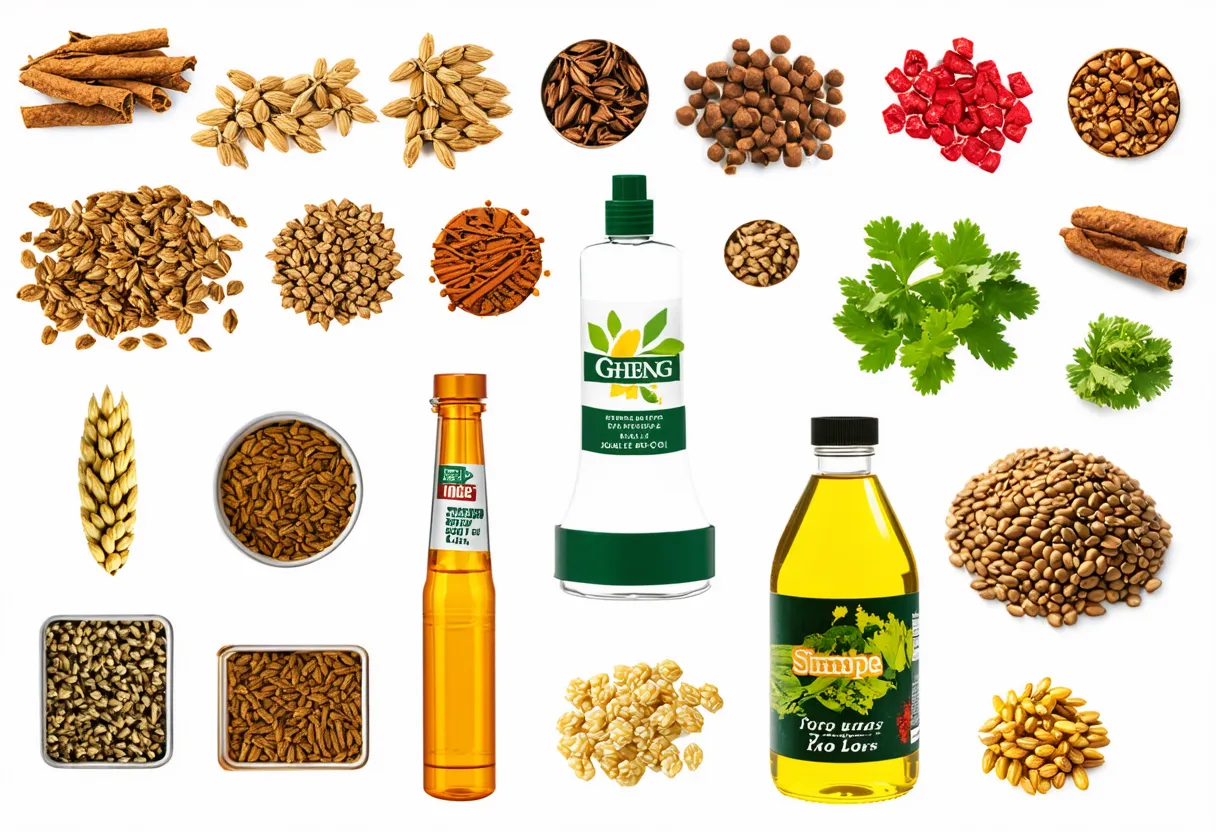
Syria’s high import activities, accounting for 20.97% of GDP, play a crucial role in meeting domestic demands and supporting economic growth.
Syria’s main import partners are Turkey, UAE, China, Lebanon, and Egypt. The country imports tobacco, plastics, wheat, seed oils, and plastic products. These imports play a crucial role in meeting domestic demand and supporting various industries.
Exports Activities of Syria

Syria’s total exports in 2023 reached $771 million, accounting for 3.44% of its GDP. With low importance, export activities play a modest role in the country’s economy.
Syria’s export activities primarily focus on pure olive oil, nuts, phosphates, cotton, and garments. The country’s main export partners are Turkey (29%), Kuwait (15%), Lebanon (14%), Jordan (8%), and Egypt (7%).
Syria economy after the 2024 political transition
Syria remains a low-income Middle Eastern economy emerging from nearly 14 years of civil war that devastated output, infrastructure and living standards. The Assad government fell in December 2024 and a transitional government took power. In 2025 the European Union and the United States lifted most economic sanctions, and the World Bank estimated post-conflict reconstruction needs at about $216 billion. Recovery is underway but fragile, with the economy rebuilding from an exceptionally low base.
Sources
- World Bank – Syrian Arab Republic
- IMF – Syria country profile
- CIA World Factbook – Syria
- UN Comtrade Plus: Trade Flow
Last updated: August 2026


Leave a Reply